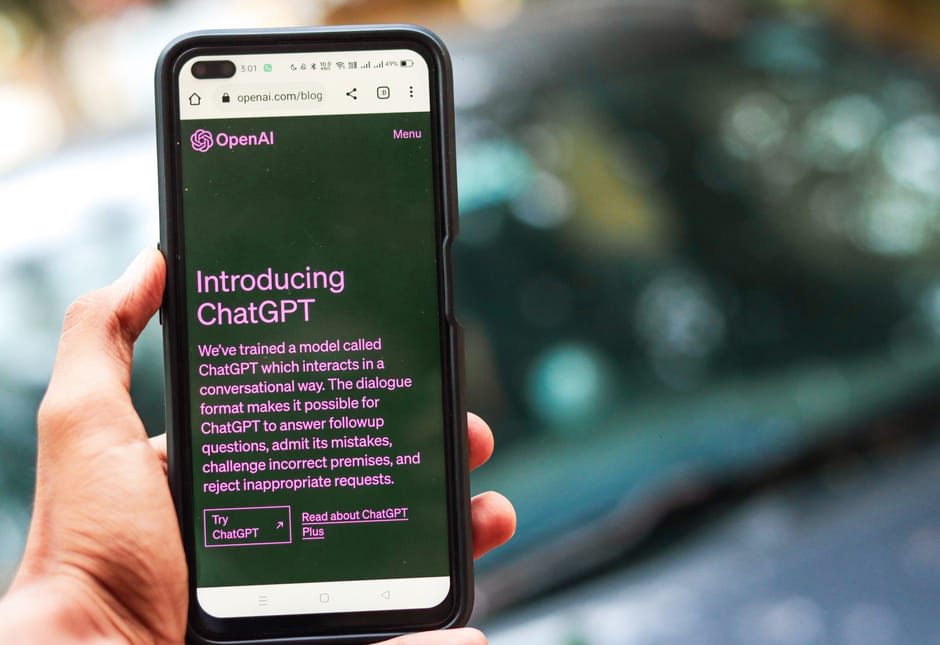
- Heavy usage of ChatGPT reveals a distinct writing style with a predictable rhythm.
- AI-generated content can be detected by its reliance on transitional phrases and unnatural sentence structure.
- While editing can reduce detectability, underlying patterns often remain, making it possible to identify AI involvement.
- The development of AI-generated content tools has been a gradual process with significant advancements in NLP and machine learning.
- Early versions of AI-generated content tools were often clunky and easily detectable.
A year of heavy usage has led one Reddit user to develop a keen sense of when content is generated by ChatGPT, even without explicitly checking. The user describes a certain rhythm to the AI’s writing, including the way it structures paragraphs, wraps up with summary sentences, and navigates transitions with an almost-too-smooth quality. This intuition has sparked a larger conversation about the detectability of AI-generated content and the underlying patterns that persist even after human editing.
The Current State of AI-Generated Content Detection

The ability to identify ChatGPT’s writing is not an isolated phenomenon. As the use of AI-generated content becomes more widespread, researchers and writers are beginning to recognize the telltale signs of artificial authorship. These signs include an over-reliance on transitional phrases, an unnatural consistency in sentence structure, and a tendency to summarize or conclude in a predictable manner. While ChatGPT’s output can be edited to remove some of these giveaways, the underlying patterns often remain, making it possible for discerning readers to detect the AI’s involvement.
A Brief History of AI-Generated Content

The development of AI-generated content tools like ChatGPT has been a gradual process, with significant advancements in natural language processing (NLP) and machine learning over the past decade. Early versions of these tools were often clunky and easily detectable, but the latest iterations have made tremendous strides in mimicking human writing styles. However, as the Reddit user’s experience suggests, these tools still have a ways to go in terms of truly replicating the nuances and variability of human expression. For more information on the history of NLP, visit the Wikipedia page on natural language processing.
The Key Players in AI-Generated Content

The individuals and organizations driving the development of AI-generated content tools are a diverse group, motivated by a range of factors. Some, like the researchers at OpenAI, are focused on pushing the boundaries of what is possible with NLP and exploring the potential applications of AI-generated content. Others, like the writers and marketers who use these tools to produce content, are primarily interested in the efficiency and cost savings they offer. As the use of AI-generated content becomes more widespread, it will be important to consider the motivations and values of these key players and how they shape the development of these tools.
The Consequences of Detectable AI-Generated Content

The ability to detect AI-generated content has significant implications for a range of stakeholders, from writers and researchers to marketers and consumers. For those who rely on AI-generated content as a tool, the detectability of this content may limit its usefulness or require additional editing and refinement to make it more convincing. For consumers, the ability to detect AI-generated content can help them make more informed decisions about the sources they trust and the information they consume. As the use of AI-generated content continues to evolve, it will be important to consider these consequences and develop strategies for mitigating any negative effects. For more information on the potential consequences of AI-generated content, visit the New York Times’ technology section.
The Bigger Picture
The detectability of AI-generated content is just one aspect of a larger conversation about the role of artificial intelligence in shaping our media landscape. As AI-generated content becomes more prevalent, it will be important to consider the broader implications of this trend, including its potential impact on the spread of misinformation, the homogenization of writing styles, and the devaluation of human creativity. By examining the detectability of AI-generated content and the patterns that underlie it, we can gain a deeper understanding of the complex interplay between human and artificial intelligence in the production of content.
As we move forward in this rapidly evolving landscape, it will be crucial to stay vigilant and consider the potential consequences of our increasing reliance on AI-generated content. By doing so, we can ensure that the benefits of these tools are realized while minimizing their negative effects. The future of content production is likely to be shaped by the interplay between human and artificial intelligence, and it is up to us to navigate this complex terrain with care and consideration.
Source: Reddit