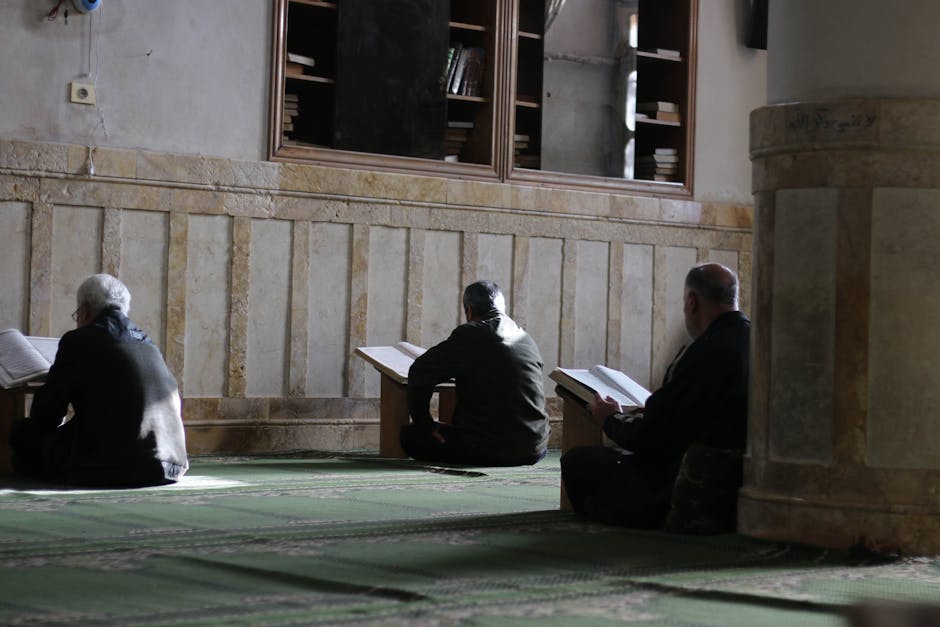
- Eid al-Adha serves as a poignant reminder of the human cost of conflict in the war-torn Middle East.
- The holiday’s themes of sacrifice, resilience, and compassion take on a deeper meaning in times of crisis.
- Muted celebrations this year in Iran, Gaza, and other affected regions reflect the harsh realities of their circumstances.
- The international community’s response to the crisis has been criticized for its inadequacy.
- Eid al-Adha highlights the enduring power of faith and community in the face of adversity.
Muslims across the Middle East, including those in Iran and Gaza, marked Eid al-Adha with subdued celebrations as the region grapples with ongoing war and deepening humanitarian crises. The holiday, which typically brings families and communities together, was marred by shortages of food and fuel, as well as the ever-present threat of violence. As the international community struggles to respond to the crisis, Eid al-Adha serves as a poignant reminder of the human cost of conflict and the urgent need for a lasting resolution.
Eid al-Adha in Times of Crisis

The significance of Eid al-Adha, which commemorates the willingness of the Prophet Ibrahim to sacrifice his son, is particularly pronounced in times of crisis. The holiday’s themes of sacrifice, resilience, and compassion take on a deeper meaning when set against the backdrop of war, displacement, and humanitarian need. As Muslims in Iran, Gaza, and other affected regions come together to mark the occasion, they do so with a sense of hope and defiance, even as they confront the harsh realities of their circumstances. The muted celebrations this year serve as a testament to the enduring power of faith and community in the face of adversity.
Regional Developments and Humanitarian Concerns

The situation on the ground in Iran and Gaza remains dire, with reports of widespread shortages, infrastructure damage, and civilian casualties. The international community has been criticized for its response to the crisis, with many arguing that more needs to be done to address the humanitarian needs of affected populations. As Eid al-Adha celebrations draw to a close, attention will turn to the ongoing efforts to broker a ceasefire and secure a lasting peace. The latest reports from the region suggest that a negotiated settlement remains a distant prospect, leaving millions to face an uncertain future.
Causes and Consequences of the Crisis

Understanding the root causes of the crisis in the Middle East is crucial to developing an effective response. The complex interplay of historical, cultural, and geopolitical factors has created a combustible mix, with far-reaching consequences for the region and beyond. As experts analyze the situation, it becomes clear that a sustainable solution will require a nuanced and multifaceted approach, one that takes into account the needs and concerns of all parties involved. The humanitarian dimension of the crisis, meanwhile, demands immediate attention, with aid organizations and governments working together to address the most pressing needs of affected populations.
Implications and Future Prospects

The impact of the crisis in the Middle East will be felt for years to come, with significant implications for regional and global stability. As the situation continues to evolve, it is essential to consider the potential consequences of different courses of action, from the prospects for a negotiated peace to the risks of further escalation. The international community must remain engaged and committed to finding a solution, even as the complexity and challenges of the situation become increasingly apparent. For Muslims in Iran, Gaza, and other affected regions, the hope is that Eid al-Adha will mark a turning point, a moment when the international community comes together to address the humanitarian needs of the present and work towards a more peaceful future.
Expert Perspectives
Experts and analysts offer differing perspectives on the crisis in the Middle East, reflecting the complexity and nuance of the situation. Some argue that a negotiated peace is the only viable solution, while others believe that more robust action is needed to address the humanitarian needs of affected populations. As the debate continues, it is clear that a deeper understanding of the region’s history, culture, and politics is essential to developing an effective response. By engaging with local voices and perspectives, the international community can work towards a more informed and sustainable solution, one that takes into account the needs and concerns of all parties involved.
As the region looks to the future, the question on many minds is what comes next. Will the international community be able to broker a lasting peace, or will the crisis continue to escalate? The answers to these questions will depend on a variety of factors, from the actions of regional leaders to the engagement of the global community. One thing is certain, however: the situation in the Middle East will remain a major concern for the foreseeable future, demanding sustained attention and action from governments, aid organizations, and civil society alike.
Source: The New York Times