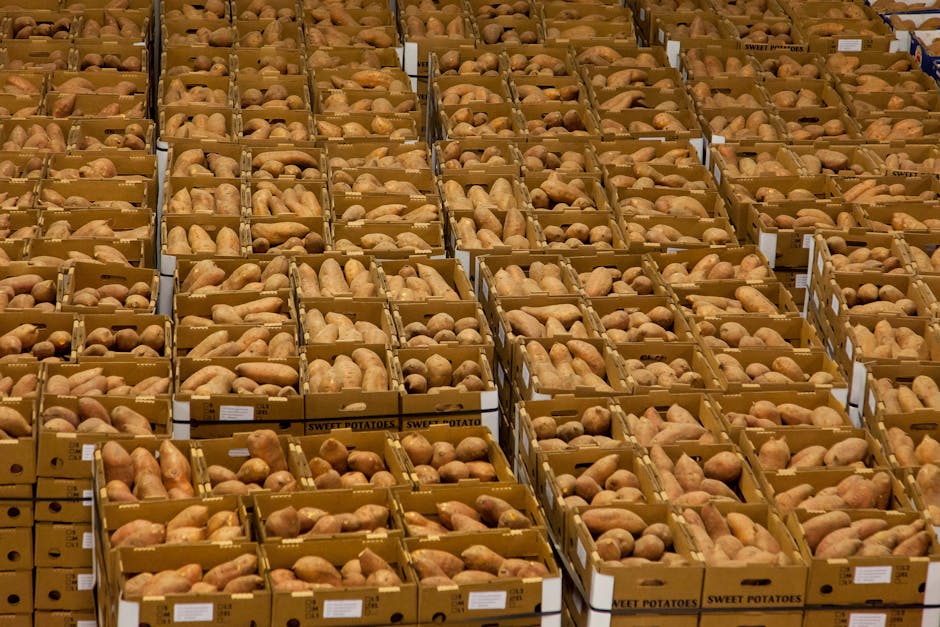
- Belgium’s potato industry is facing a record surplus due to declining US demand and increased competition from Asian suppliers.
- The country’s favorable climate and improved farming techniques have contributed to the high potato yield, exacerbating the surplus.
- Belgium’s reputation as a premier potato producer is at risk due to the industry’s inability to absorb the surplus.
- The decline in US demand for frozen fries has been compounded by tariffs imposed on European frozen fries.
- The Belgian potato industry is under pressure to find innovative solutions to mitigate the effects of the surplus.
Belgium, renowned for its high-quality French fries, is grappling with an unprecedented issue: a record surplus of potatoes. The country’s latest harvest has yielded an all-time high, coinciding with a decline in demand from the United States due to newly imposed tariffs on frozen fries, as well as intensified competition from Asian suppliers. This shift in the global market poses significant challenges for Belgium’s potato industry, which is struggling to adapt to the changing landscape.
The Perfect Storm

The current situation in Belgium is a result of a combination of factors, including a favorable climate, improved farming techniques, and increased investment in the potato sector. However, the decrease in US demand, coupled with the rise of Asian competitors, has led to a surplus of potatoes that the domestic market cannot absorb. According to the New York Times, the Belgian potato industry is facing an uncertain future, with many farmers and producers concerned about the long-term implications of this trend. The country’s reputation as a premier potato producer is at stake, and the industry is under pressure to find innovative solutions to mitigate the effects of the surplus.
Market Dynamics

The decline in US demand for frozen fries is a significant factor contributing to the surplus. The tariffs imposed on European frozen fries have made them less competitive in the US market, leading to a decrease in exports. Meanwhile, Asian countries such as China and India have increased their potato production, offering alternative sources for European and American consumers. The Reuters reports that this shift in the global market has resulted in a surplus of over 1 million tons of potatoes in Belgium, with many farmers struggling to find buyers for their produce. The situation is further complicated by the fact that potatoes are a perishable commodity, making it essential to find a solution quickly to avoid waste and financial losses.
Analyzing the Impact

The record potato surplus in Belgium has far-reaching implications for the country’s economy and the broader European agricultural sector. The industry’s struggles may lead to job losses, decreased investment, and a decline in the overall competitiveness of the Belgian economy. Furthermore, the surplus may also have environmental consequences, as the disposal of excess potatoes could contribute to greenhouse gas emissions and waste management issues. Experts warn that the situation requires a comprehensive approach, involving government support, industry innovation, and international cooperation to find new markets and develop sustainable solutions for the surplus. The BBC notes that the Belgian government has announced plans to provide financial assistance to affected farmers and to explore new export opportunities, but more needs to be done to address the root causes of the problem.
Consequences and Implications

The potato surplus in Belgium affects not only the country’s farmers and producers but also the broader population. The decline of the potato industry could have a ripple effect on the economy, leading to increased unemployment and decreased economic growth. Additionally, the surplus may also impact the country’s culinary tradition, as French fries are an integral part of Belgian culture. The situation highlights the need for diversification and innovation in the agricultural sector, as well as the importance of international cooperation to address the challenges posed by global market fluctuations. As the Guardian reports, the Belgian government is under pressure to find a solution to the crisis, with many calling for increased support for the agricultural sector and greater investment in sustainable farming practices.
Expert Perspectives
Experts in the field offer contrasting viewpoints on the situation, with some emphasizing the need for government intervention and others advocating for industry-led solutions. According to a report by the Associated Press, some experts believe that the surplus can be mitigated through increased investment in technology and innovation, while others argue that the solution lies in finding new markets and developing more sustainable farming practices. The debate highlights the complexity of the issue and the need for a comprehensive approach that takes into account the various stakeholders and interests involved. As one expert notes, the situation requires a long-term perspective, as well as a willingness to adapt to changing market conditions and consumer preferences.
Looking ahead, it is essential to monitor the developments in the Belgian potato industry and the global market trends that are shaping the sector. The situation poses an opportunity for innovation and growth, as well as a challenge that requires careful management and cooperation. As the industry navigates this uncertain landscape, it is crucial to prioritize sustainability, quality, and competitiveness, while also addressing the social and environmental implications of the surplus. The question remains as to how the Belgian potato industry will adapt to the changing global market and what strategies will be employed to mitigate the effects of the surplus. Only time will tell if the country can find a solution to its potato problem and maintain its reputation as the world capital of French fries.
Source: The New York Times