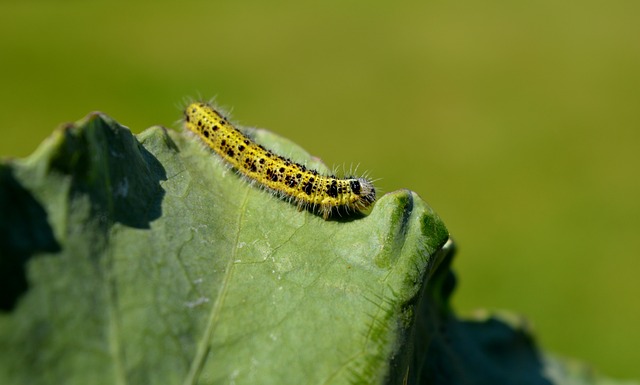
- Oak processionary moth caterpillars are found in oak trees and can cause breathing difficulties and skin rashes in humans and animals.
- These toxic caterpillars have urticating hairs that can trigger severe allergic reactions in some people.
- The caterpillars can form large processions and cause significant damage to oak trees and their leaves.
- Residents are advised to take precautions to avoid contact with these toxic caterpillars.
- Understand the risks posed by oak processionary moth caterpillars and take steps to protect yourself and your pets.
The oak processionary moth caterpillar has become a growing concern in recent years, with warnings issued over its toxic nature. These caterpillars, found in oak trees, can cause breathing difficulties and skin rashes in humans and animals. As the caterpillars emerge, residents are advised to take precautions to avoid contact with them. With the risk of allergic reactions and other health problems, it’s essential to understand the risks posed by these toxic caterpillars and take steps to protect yourself.
What Are Oak Processionary Moth Caterpillars?

The oak processionary moth caterpillar is the larval stage of the oak processionary moth, a species of moth that is native to southern Europe. The caterpillars are covered in tiny hairs that contain a toxic substance called urticating hairs, which can cause severe allergic reactions in some people. The caterpillars are typically found in oak trees, where they feed on the leaves and cause significant damage. As the caterpillars grow, they can form large processions, hence their name, and can be a significant nuisance to residents and animals in the area.
Supporting Evidence: Health Risks and Consequences

According to the NHS, the oak processionary moth caterpillar can cause a range of health problems, including breathing difficulties, skin rashes, and eye problems. In severe cases, the caterpillar’s toxic hairs can cause anaphylaxis, a life-threatening allergic reaction. The World Health Organization also recognizes the risks posed by the oak processionary moth caterpillar, highlighting the importance of taking precautions to avoid contact with them. With the caterpillars’ toxic nature and potential to cause significant health problems, it’s essential to take the warnings seriously and take steps to protect yourself.
Counter-Perspectives: Are The Risks Exaggerated?

Some experts argue that the risks posed by the oak processionary moth caterpillar are exaggerated, and that the majority of people will not experience any severe reactions. However, this perspective overlooks the potential for severe allergic reactions and the importance of taking precautions to avoid contact with the caterpillars. While it’s true that not everyone will be affected, the risks are still significant, and it’s better to err on the side of caution. Additionally, the caterpillars’ toxic nature and potential to cause significant health problems make it essential to take the warnings seriously and take steps to protect yourself.
Real-World Impact: What It Means For Residents and Animals

The oak processionary moth caterpillar can have a significant impact on residents and animals in the affected areas. For residents, the caterpillars can cause significant nuisance, with their toxic hairs causing allergic reactions and other health problems. For animals, the caterpillars can be particularly problematic, as they can cause severe reactions and even death in some cases. With the caterpillars’ toxic nature and potential to cause significant health problems, it’s essential for residents and animal owners to take precautions to avoid contact with them and to seek medical attention immediately if they experience any symptoms.
What This Means For You
If you live in an area where the oak processionary moth caterpillar is present, it’s essential to take precautions to avoid contact with them. This includes avoiding areas where the caterpillars are known to be present, wearing protective clothing when outdoors, and seeking medical attention immediately if you experience any symptoms. By taking these precautions, you can minimize your risk of exposure and protect yourself from the potential health risks posed by the oak processionary moth caterpillar.
As the oak processionary moth caterpillar continues to spread, it’s essential to stay informed about the risks and take steps to protect yourself. With the caterpillars’ toxic nature and potential to cause significant health problems, it’s crucial to remain vigilant and take precautions to avoid contact with them. What will be the long-term impact of the oak processionary moth caterpillar on public health, and how can we work to mitigate its effects?
Source: BBC