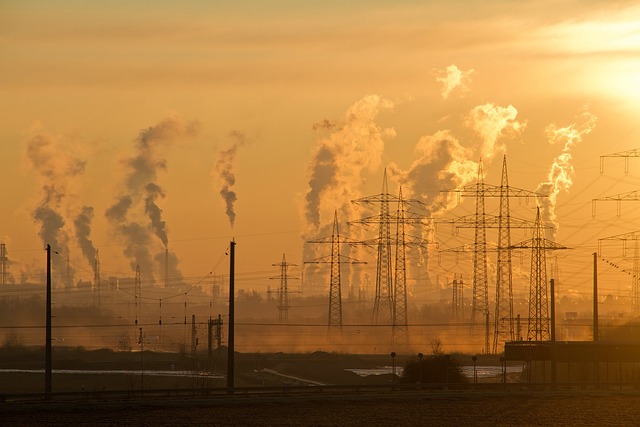
- A devastating attack on Iran’s oil facilities has released nearly 30,000 tons of toxic gas, affecting the Middle East region.
- The disaster has severe environmental consequences, including air and water pollution, and poses a threat to the regional ecosystem.
- The toxic gas cloud contains harmful pollutants, potentially causing acid rain, soil contamination, and harm to wildlife.
- Local residents have reported immediate health impacts, including respiratory distress, skin irritation, and other symptoms.
- The long-term effects of the pollution on the environment and human health are still unknown and are being closely monitored.
A devastating attack on Iran’s oil facilities has released nearly 30,000 tons of toxic gas into the atmosphere, spreading across the Middle East within days and causing immediate health concerns for local residents. The disaster has drawn comparisons to the environmental impact of a volcanic eruption, with the toxic gas cloud affecting several countries in the region. The attack has significant implications for the environment, human health, and the regional ecosystem.
Environmental Impact

The massive release of toxic gas into the atmosphere has severe environmental consequences, including air and water pollution. The gas cloud, which contains harmful pollutants, has spread rapidly across the Middle East, posing a significant threat to the region’s ecosystem. The disaster has also raised concerns about the long-term effects of the pollution on the environment, including the potential for acid rain, soil contamination, and harm to wildlife. As the situation continues to unfold, experts are closely monitoring the environmental impact of the disaster.
Key Details of the Attack

The attack on Iran’s oil facilities has been described as a deliberate act of sabotage, with the perpetrators still unknown. The attack has caused significant damage to the facilities, resulting in the release of nearly 30,000 tons of toxic gas. Local residents have reported immediate health impacts, including respiratory distress, skin irritation, and a “bitter taste” in the mouth. The Iranian government has launched an investigation into the attack, and international authorities are working to provide assistance and support to those affected.
Analysis of the Disaster

Experts have warned that the disaster could have far-reaching consequences for the environment and human health. The release of toxic gas into the atmosphere has the potential to cause long-term damage to the ecosystem, including harm to crops, livestock, and wildlife. The disaster has also raised concerns about the safety and security of oil facilities in the region, highlighting the need for increased measures to prevent such attacks in the future. According to experts, the disaster is a stark reminder of the importance of protecting the environment and preventing such catastrophic events.
Implications for the Region

The disaster has significant implications for the region, with several countries affected by the toxic gas cloud. The Iranian government has warned of potential long-term health effects for those exposed to the gas, including respiratory problems and other health issues. The disaster has also raised concerns about the economic impact, with the oil industry likely to be affected in the short and long term. As the situation continues to unfold, regional authorities are working to provide support and assistance to those affected, including healthcare services and environmental monitoring.
Expert Perspectives
Experts have offered contrasting viewpoints on the disaster, with some warning of the potential for long-term environmental damage and others highlighting the need for increased security measures to prevent such attacks. According to Dr. Maria Neira, Director of the World Health Organization’s Department of Environment, Climate Change and Health, the disaster is a stark reminder of the importance of protecting the environment and preventing such catastrophic events. As the situation continues to unfold, experts will be closely monitoring the disaster and providing guidance on the best course of action.
Looking ahead, the key question is what can be done to prevent such disasters in the future. As the investigation into the attack continues, regional authorities will need to work together to implement increased security measures and protect the environment. The disaster is a stark reminder of the importance of prioritizing environmental protection and preventing such catastrophic events. As the situation continues to unfold, it is essential to stay informed and up-to-date on the latest developments, including any updates from reliable news sources.
Source: Eurekalert