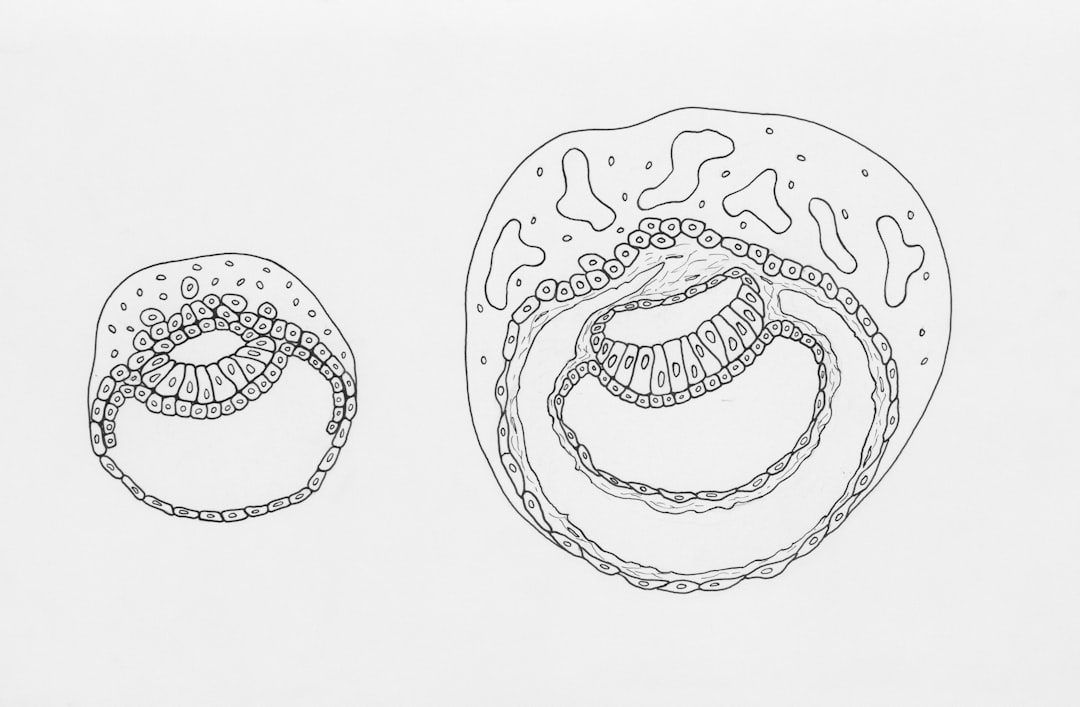
- A new study in Nature reveals a comprehensive atlas of human embryo development after gastrulation.
- The research provides insights into previously undescribed stages of human development, shedding light on genetic mechanisms.
- The study’s findings could lead to new discoveries in human development and help identify causes of birth defects and disorders.
- Advanced sequencing technologies were used to analyze the human embryo transcriptome at different stages of development.
- The research has significant implications for our understanding of human development and its regulation.
What happens to human embryos after gastrulation, a critical stage of development? A new study published in Nature provides a comprehensive spatiotemporal transcriptome atlas of whole-human embryos after gastrulation, shedding light on previously undescribed stages of human development. This breakthrough research has significant implications for our understanding of human development and could lead to new discoveries in the field.
Understanding Human Embryo Development

The development of human embryos is a complex and highly regulated process. After gastrulation, the embryo undergoes significant changes, including the formation of different tissue layers and the establishment of the body plan. The new study provides a detailed map of the transcriptome, or the set of all RNA molecules, in human embryos after gastrulation, allowing researchers to understand the genetic mechanisms underlying this critical stage of development. This knowledge will help scientists to better comprehend the processes that shape human development and identify potential causes of birth defects and developmental disorders.
Supporting Evidence from the Study

The study provides strong evidence for the importance of understanding human embryo development after gastrulation. The researchers used advanced sequencing technologies to analyze the transcriptome of human embryos at different stages of development, including previously undescribed stages. The data reveal complex patterns of gene expression and regulation, highlighting the dynamic nature of human development. As noted by the researchers, this study provides a valuable resource for the scientific community, enabling further research into human development and disease.
Counter-Perspectives and Limitations

While the study provides significant insights into human embryo development, some researchers may argue that the use of human embryos in research raises ethical concerns. Others may question the limitations of the study, including the small sample size and the potential for bias in the data. However, the researchers address these concerns by emphasizing the importance of this research for understanding human development and improving human health. Additionally, the study was conducted in accordance with established ethical guidelines and regulations, ensuring the respectful and responsible use of human embryos in research.
Real-World Impact of the Study

The study has significant implications for our understanding of human development and could lead to new discoveries in the field. For example, the identification of specific genes and pathways involved in human embryo development could provide targets for the diagnosis and treatment of birth defects and developmental disorders. Furthermore, the study could inform the development of new therapies, such as regenerative medicine and tissue engineering, which rely on a deep understanding of human development and tissue formation. As reported by the New York Times, this research has the potential to revolutionize our understanding of human development and improve human health.
What This Means For You
The study provides a new understanding of human embryo development after gastrulation, which could lead to significant advances in the field. For individuals interested in human development and regenerative medicine, this research highlights the importance of continued investment in scientific research and the potential for new discoveries and therapies. As the scientific community continues to explore the complexities of human development, it is essential to consider the ethical implications of this research and ensure that it is conducted in a responsible and respectful manner.
What are the potential applications of this research, and how could it impact our understanding of human development and disease? As researchers continue to explore the complexities of human embryo development, it is essential to consider the broader implications of this research and its potential to improve human health and well-being. Further studies are needed to fully understand the mechanisms underlying human development and to realize the potential of this research for improving human health.
Source: Nature