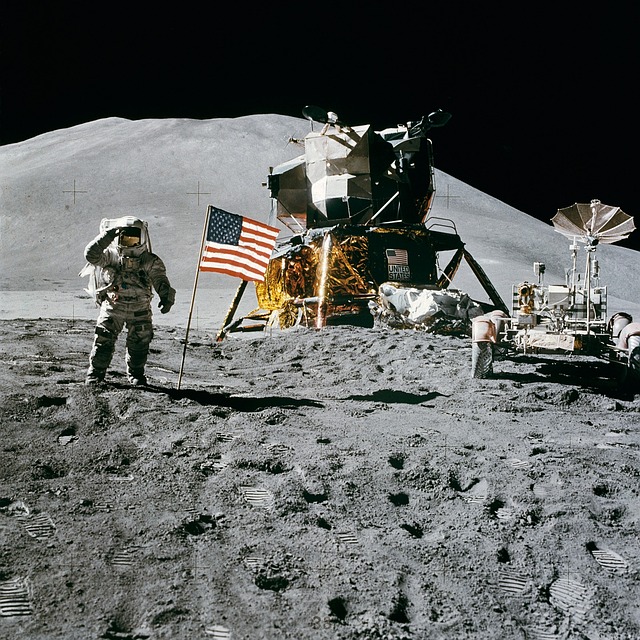
- Nasa plans to establish a permanent human settlement on the moon by 2032, driven by its broader strategy to expand human presence in space.
- The moon base will serve as a hub for scientific research, exploration, and development of new technologies, including advanced life support systems.
- Nasa aims to send astronauts to the moon by 2025 and establish a sustainable human presence on the lunar surface by 2032.
- The moon base will be designed to accommodate both short-term and long-term missions, with the goal of creating a self-sustaining human settlement.
- Recent advancements in technology and engineering have brought Nasa’s moon base project closer to reality.
What does a permanent human settlement on the moon look like, and why is Nasa pushing to make it a reality by 2032? The US space agency has recently unveiled renderings of its planned moon base, sparking excitement and curiosity about the possibilities of space exploration. As Nasa takes a significant step towards establishing a human presence on the Earth’s only natural satellite, readers should care about the implications of this project on the future of space travel and scientific discovery.
What is Nasa’s Vision for the Moon Base?

Nasa’s plan for a permanent moon base is part of its broader strategy to expand human presence in space. The agency aims to send astronauts to the moon by 2025 and establish a sustainable human presence on the lunar surface by 2032. The moon base will serve as a hub for scientific research, exploration, and development of new technologies. According to Nasa, the base will be designed to accommodate both short-term and long-term missions, with the ultimate goal of creating a self-sustaining human settlement on the moon.
What Evidence Supports Nasa’s Ambitious Plan?

Nasa has been working on the moon base project for several years, and recent advancements in technology and engineering have brought the plan closer to reality. The agency has successfully tested new lunar landers and developed advanced life support systems that can sustain humans for extended periods on the moon. As Nasa’s official website explains, the agency is also collaborating with private companies and international partners to develop the necessary infrastructure for the moon base. With the support of expert astronomers and engineers, Nasa is confident that it can overcome the technical challenges and achieve its goal of establishing a permanent human settlement on the moon.
What are the Counter-Perspectives on Nasa’s Moon Base Plan?

While Nasa’s plan for a permanent moon base has generated excitement, some experts have raised concerns about the feasibility and cost of the project. Critics argue that the 2032 deadline is overly ambitious and that the agency should focus on more pressing issues, such as addressing the climate crisis on Earth. Others have questioned the scientific value of establishing a human settlement on the moon, suggesting that robotic missions could be more effective and cost-efficient. Despite these counter-perspectives, Nasa remains committed to its vision for a permanent moon base, citing the potential for groundbreaking scientific discoveries and the long-term benefits of expanding human presence in space.
What are the Real-World Implications of Nasa’s Moon Base Plan?

The establishment of a permanent moon base will have significant implications for space travel, scientific research, and the development of new technologies. A human settlement on the moon will provide a unique opportunity for scientists to conduct research in a low-gravity environment, leading to breakthroughs in fields such as astrophysics and biomedicine. The moon base will also serve as a stepping stone for further human exploration of the solar system, enabling missions to Mars and beyond. As the project progresses, it is expected to create new job opportunities and stimulate economic growth, particularly in the fields of aerospace and technology.
What This Means For You
The prospect of a permanent human settlement on the moon may seem like a distant reality, but it has significant implications for our daily lives. As Nasa pushes the boundaries of space exploration, it is driving innovation and advancements in technology that can benefit society as a whole. From improved life support systems to advanced materials and manufacturing techniques, the technologies developed for the moon base project can have spin-off benefits for Earth-based applications, such as sustainable energy and environmental conservation.
As Nasa continues to work towards establishing a permanent human settlement on the moon, what other questions should we be asking about the future of space exploration? How will the moon base project impact the global space industry, and what role will private companies play in the development of the lunar economy? As we embark on this new era of space travel and discovery, it is essential to consider the broader implications and potential consequences of our actions, ensuring that we prioritize sustainability, cooperation, and the responsible use of space resources.
Source: BBC