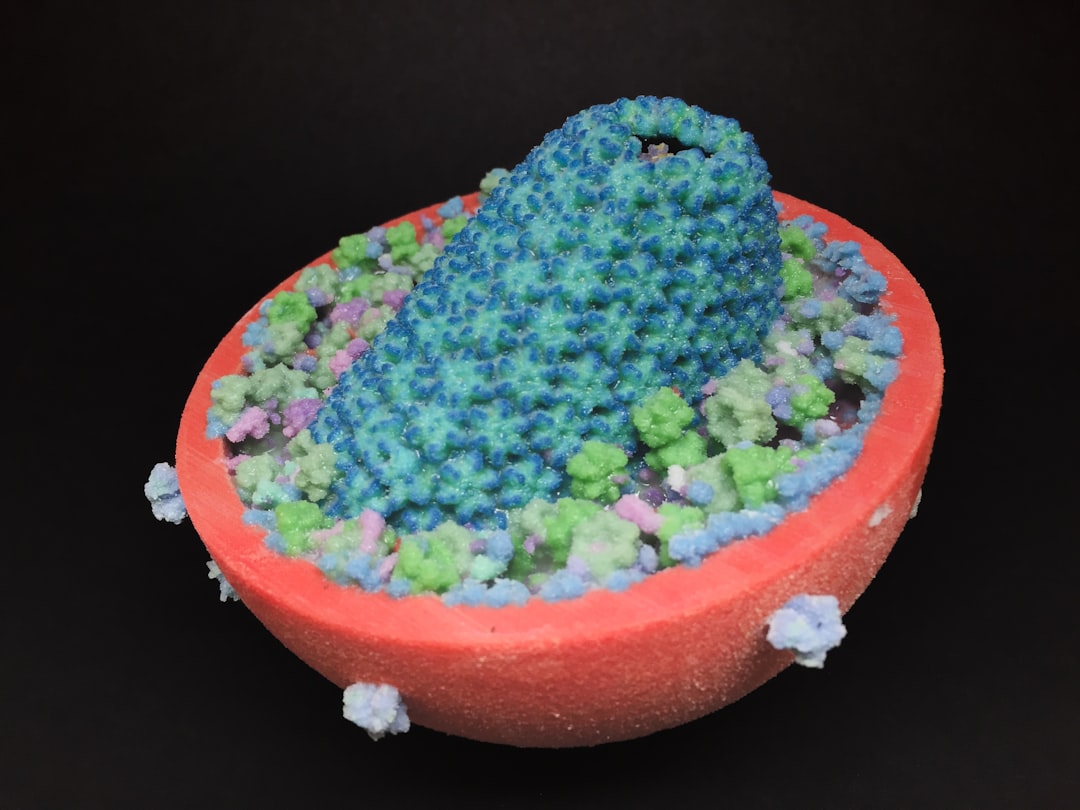
- 3D printing can significantly reduce the cost of CAR T-cell therapy by speeding up production and improving cell quality.
- The new method uses 3D-printed lymph nodes to mimic the natural environment where CAR T-cells can grow and multiply efficiently.
- Researchers have collaborated to develop 3D-printed lymph nodes, a breakthrough in cancer treatment that could increase global access.
- CAR T-cell therapy has been limited by its high cost, making it inaccessible to many patients worldwide.
- 3D printing technology has the potential to revolutionize cancer treatment by making CAR T-cell therapy more affordable and accessible.
Researchers have made a significant breakthrough in the production of CAR T-cell therapy, a highly effective cancer treatment that has been limited by its high cost. The new method involves using 3D-printed lymph nodes to generate the cells, which could dramatically drive down the cost of the treatment and make it more widely available. This innovation has the potential to increase access to CAR T-cell therapy for patients in many parts of the world who currently cannot afford it.
The Science Behind 3D-Printed Lymph Nodes

The use of 3D-printed lymph nodes to produce CAR T-cells is a game-changer in the field of cancer treatment. According to a study published on New Scientist, the traditional method of producing CAR T-cells is time-consuming and expensive. The new method, on the other hand, allows for the rapid production of high-quality cells, which could lead to a significant reduction in the cost of the treatment. With the help of 3D printing technology, researchers can now create artificial lymph nodes that mimic the natural environment of the cells, allowing them to grow and multiply more efficiently.
Key Players in the Development of 3D-Printed Lymph Nodes

The development of 3D-printed lymph nodes is the result of collaboration between researchers from various institutions. The team, led by experts in the field of cancer treatment, has been working tirelessly to perfect the method and make it more efficient. Their recent breakthrough is a testament to their dedication and hard work. The researchers have made significant contributions to the field, and their work has the potential to impact the lives of millions of people around the world. As noted by CDC, access to affordable cancer treatment is a major public health concern.
Trade-Offs and Challenges

While the use of 3D-printed lymph nodes to produce CAR T-cells is a significant breakthrough, there are still several challenges that need to be addressed. One of the main concerns is the potential risk of contamination during the production process. Additionally, the long-term efficacy and safety of the treatment need to be carefully evaluated. However, the potential benefits of this innovation far outweigh the risks, and researchers are working to mitigate any potential drawbacks. The cost of the treatment is also expected to decrease significantly, making it more accessible to patients who cannot currently afford it.
Timing and Future Directions

The development of 3D-printed lymph nodes comes at a critical time in the fight against cancer. As the global cancer burden continues to rise, there is an urgent need for innovative and affordable treatments. The use of 3D printing technology to produce CAR T-cells has the potential to revolutionize the field of cancer treatment and make a significant impact on public health. As researchers continue to refine the method and address the challenges associated with it, we can expect to see a significant increase in the availability and accessibility of CAR T-cell therapy in the near future.
Where We Go From Here
Looking ahead, there are several possible scenarios for the future of CAR T-cell therapy. One possible outcome is that the treatment becomes widely available and affordable, leading to a significant decrease in cancer-related deaths. Another possibility is that the treatment is used in combination with other therapies to achieve even better outcomes. Finally, there is also the potential for the technology to be used to develop new and innovative treatments for other diseases. As noted by WHO, access to affordable healthcare is a fundamental human right, and innovations like this can help make that a reality.
In conclusion, the development of 3D-printed lymph nodes to produce CAR T-cells is a groundbreaking innovation that has the potential to make a significant impact on the lives of millions of people around the world. As researchers continue to refine the method and address the challenges associated with it, we can expect to see a significant increase in the availability and accessibility of this highly effective cancer treatment.
Source: New Scientist