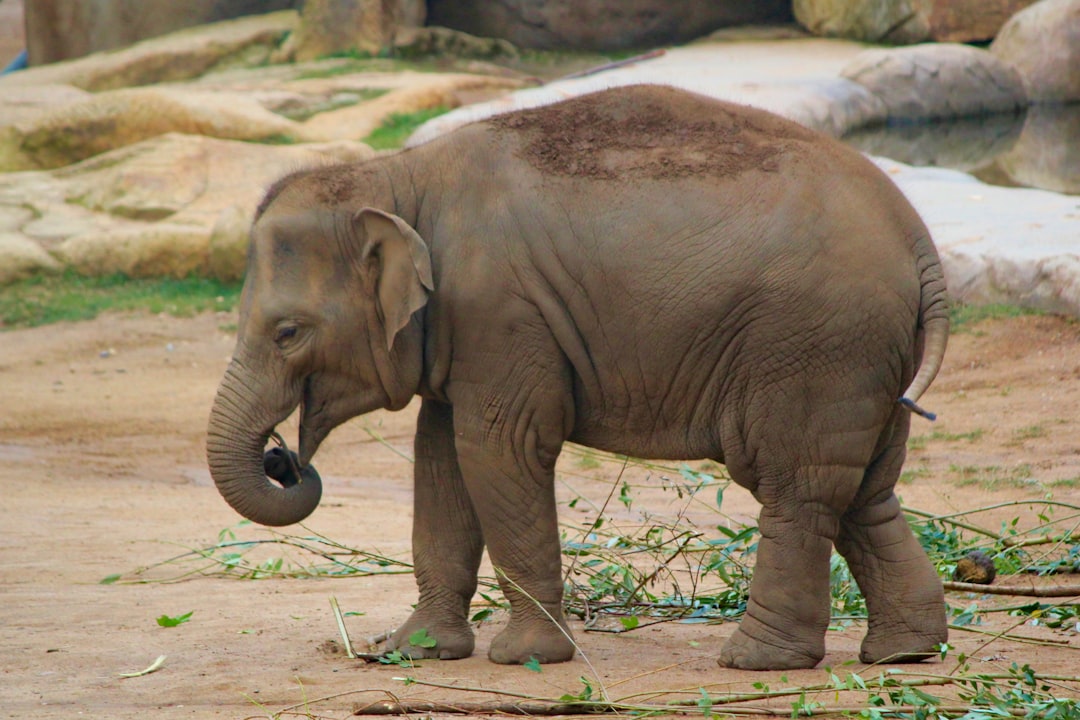
- Happy, a 55-year-old Asian elephant, has passed away at the Bronx Zoo, sparking renewed debate on animal rights and welfare.
- The elephant was at the center of a high-profile lawsuit seeking to secure her ‘fundamental human right to bodily liberty’.
- Activists argued that Happy’s confinement at the zoo was a violation of her rights and a form of imprisonment.
- The case highlighted the ethics of keeping elephants in captivity for entertainment and education purposes.
- Happy had been living at the Bronx Zoo for over 40 years, with her life in captivity sparking controversy over her conditions.
Happy, the 55-year-old Asian elephant at the center of a high-profile animal rights case, has died at the Bronx Zoo. The elephant’s passing has sparked renewed debate on the issue of animal rights and welfare, with many questioning the ethics of keeping elephants in captivity. Happy had been at the forefront of a lawsuit seeking to secure her the fundamental human right to bodily liberty, with activists arguing that her confinement at the zoo was a violation of her rights.
The Battle for Happy’s Rights

The case of Happy, which had been ongoing for several years, had brought attention to the issue of animal rights and the treatment of elephants in captivity. While zoo officials maintained that Happy was well cared for and that the lawsuit was frivolous, activists argued that her confinement was a form of imprisonment and that she deserved to be treated with the same rights and dignity as humans. The case had sparked a wider debate about the ethics of keeping animals in captivity for entertainment and education purposes.
A Life in Captivity

Happy had been living at the Bronx Zoo for over 40 years, and during that time, she had become a popular attraction for visitors. However, her life in captivity had not been without controversy, with many questioning the conditions in which she was kept. The zoo had argued that Happy was well cared for and that her enclosure provided her with a safe and stimulating environment. However, activists had pointed out that the enclosure was small compared to the vast spaces that elephants would normally roam in the wild.
Implications of the Case

The death of Happy has significant implications for the issue of animal rights and welfare. The case had highlighted the need for greater protection and respect for the rights of animals, particularly those in captivity. While the lawsuit had been ongoing, it had sparked a wider debate about the ethics of keeping animals in captivity and the need for more humane treatment. The case has also raised questions about the role of zoos and aquariums in promoting conservation and education, and whether these institutions can truly provide the necessary care and respect for the animals in their care.
Expert Perspectives

Experts in the field of animal welfare and conservation have weighed in on the case of Happy, with some arguing that the lawsuit was a crucial step in promoting the rights and dignity of animals. Others have argued that the case was misguided and that the focus should be on improving the conditions in which animals are kept in captivity, rather than seeking to secure their release. According to reports, the case has sparked a renewed debate about the treatment of animals in captivity.
As the debate over animal rights and welfare continues, it is clear that the case of Happy will have a lasting impact. The question of what to do next remains open, with many calling for greater protections for animals in captivity and others arguing that the focus should be on promoting conservation and education. For more information on the topic, visit Nature or CDC websites.
Source: The New York Times