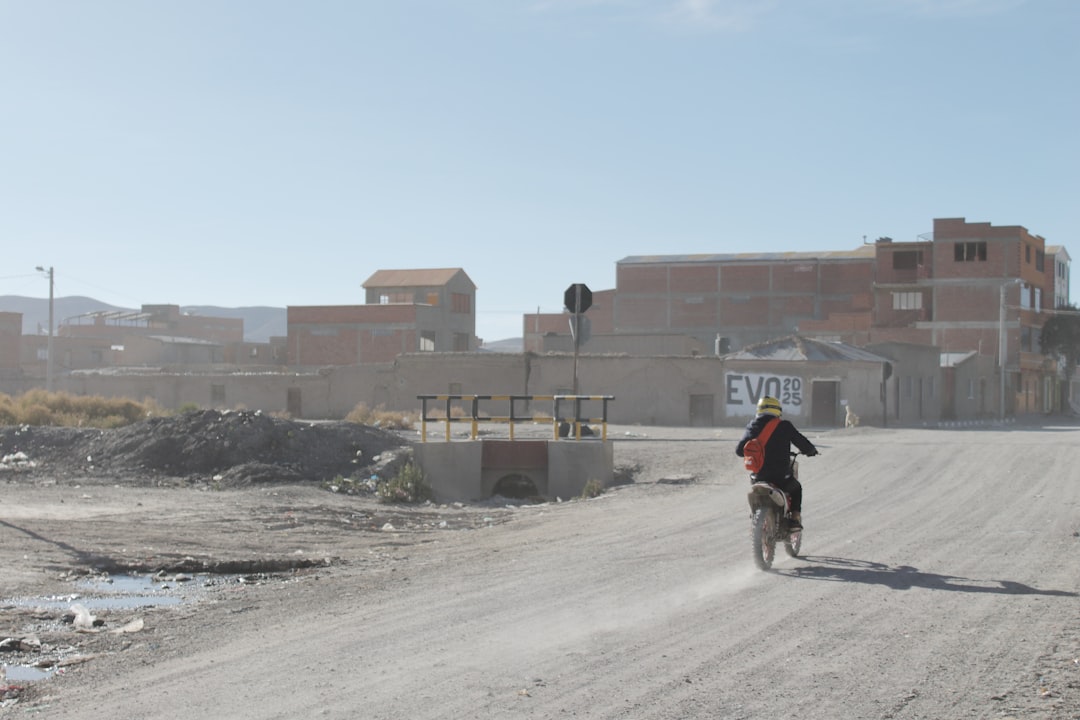
- Bolivia’s president has warned protesters that time is running out amid a weeks-long standoff.
- Protests have brought the country to a virtual standstill, sparking concerns over stability and potential violence.
- The crisis has been fueled by grievances over the government’s handling of the economy and allegations of corruption.
- Security forces have been deployed, leading to accusations of human rights abuses and further complicating the situation.
- The situation is increasingly volatile, with many fearing the crisis could escalate into full-blown conflict.
Bolivia’s president has warned protesters that ‘time is running out’ amid a weeks-long standoff that has brought the country to a virtual standstill. The president’s warning raises the stakes in the crisis, which has sparked concerns over the country’s stability and the potential for further violence. The protests, which have been ongoing for several weeks, have already resulted in clashes between demonstrators and security forces, leaving several people injured.
The Evidence of Escalating Tensions

According to reports from Al Jazeera, the protests have been fueled by a range of grievances, including concerns over the government’s handling of the economy and allegations of corruption. The situation has been further complicated by the deployment of security forces, which has led to accusations of human rights abuses. Hard data on the number of protesters and the extent of the violence is difficult to come by, but primary sources suggest that the situation is increasingly volatile, with many fearing that the crisis could escalate into full-blown conflict.
The Key Players in the Crisis

The key players in the crisis include the Bolivian government, led by the president, and the protest leaders, who have been organizing the demonstrations. The government has been accused of attempting to suppress the protests through force, while the protest leaders have been calling for reforms and greater accountability. Recent moves by the government, including the deployment of security forces, have been widely criticized by human rights groups and opposition leaders, who argue that they are disproportionate and likely to exacerbate the situation.
The Trade-Offs of the Crisis

The crisis in Bolivia presents a range of trade-offs, including the potential for further violence and instability, as well as the risk of economic disruption and damage to the country’s reputation. On the other hand, the protests also present an opportunity for the government to address the grievances of the protesters and implement reforms that could help to stabilize the country and promote economic growth. However, the costs of the crisis are already being felt, with many businesses forced to close and trade disrupted, and the benefits of the protests are unlikely to be realized if the situation continues to escalate.
The Timing of the Crisis

The timing of the crisis is significant, coming as it does at a time of great uncertainty and instability in the region. The crisis has been fueled by a range of factors, including economic concerns and allegations of corruption, and has been further complicated by the deployment of security forces. Why now, and what has changed, are key questions that need to be answered if the crisis is to be resolved peacefully. One possible explanation is that the protesters have become increasingly frustrated with the government’s failure to address their grievances, and have decided to take to the streets to demand change.
Where We Go From Here
Looking ahead to the next 6-12 months, there are several possible scenarios that could play out in Bolivia. One possible scenario is that the government and the protest leaders are able to negotiate a peaceful resolution to the crisis, which could involve the implementation of reforms and greater accountability. Another possible scenario is that the situation continues to escalate, leading to further violence and instability. A third possible scenario is that the crisis is resolved through external intervention, such as mediation by a regional organization or the United Nations.
In conclusion, the crisis in Bolivia is a complex and multifaceted issue that requires a nuanced and evidence-based approach. The president’s warning that ‘time is running out’ raises the stakes in the crisis, and highlights the need for a peaceful resolution to be found as soon as possible. Ultimately, the outcome of the crisis will depend on the ability of the government and the protest leaders to find common ground and work towards a solution that addresses the grievances of all parties involved.
Source: Al Jazeera