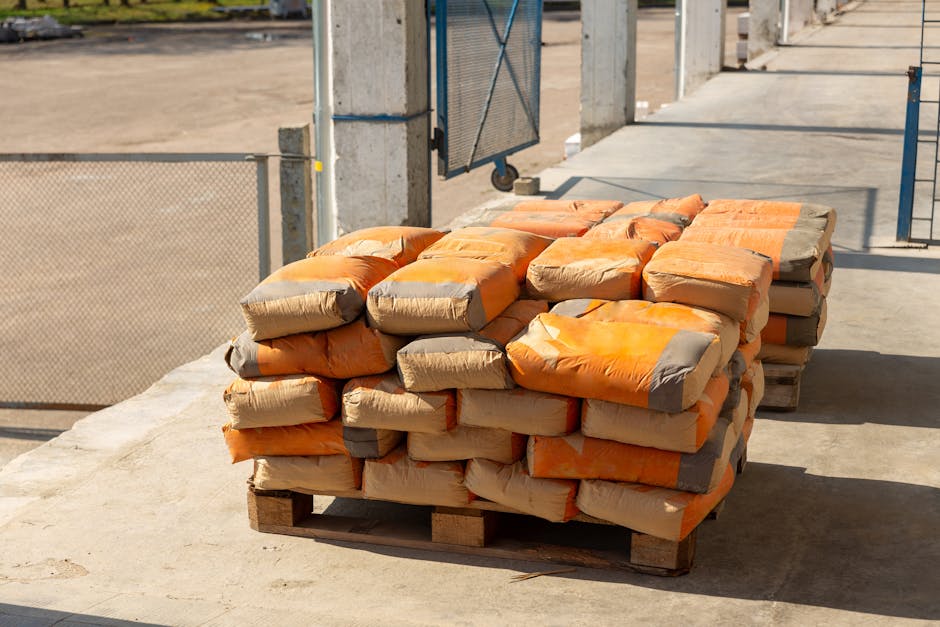
- Europe faces a 30% fertiliser shortfall due to supply disruptions near the Strait of Hormuz, threatening crop yields and food prices.
- The crisis has exposed Europe’s reliance on critical agrochemical imports from the Baltic and Black Sea regions.
- The EU has launched an emergency fertiliser strategy to mitigate the impact of the crisis on agriculture and food security.
- The Strait of Hormuz is a key transit route for potash, nitrogen, and phosphate shipments from Russia and the Middle East.
- The crisis threatens broader food security across Europe, making the EU’s response one of its most urgent economic interventions.
The European Union has launched an emergency fertiliser strategy in response to severe supply disruptions caused by heightened military conflict near the Strait of Hormuz, a key transit route for potash, nitrogen, and phosphate shipments from Russia and the Middle East. With up to 30% of Europe’s agricultural inputs affected, officials warn of potential crop yield declines and rising food prices in 2026. The crisis, triggered by Iran’s regional escalations and retaliatory naval blockades, has exposed Europe’s continued reliance on critical agrochemical imports, particularly from the Baltic and Black Sea regions. This strategic vulnerability threatens not only farm productivity but also broader food security across the continent, making the EU’s response one of its most urgent economic and agricultural interventions since the 2022 energy crisis.
Why the Strait of Hormuz Matters to European Farms

The Strait of Hormuz, though thousands of kilometers from Europe, plays a pivotal role in global fertiliser logistics. Roughly 20% of the world’s seaborne oil passes through the narrow waterway, but it also serves as a chokepoint for ammonia and urea exports from Russia and Iran—both of which supply processed nitrogen-based fertilisers to European distributors via transshipment hubs in the UAE and Oman. When Iranian naval forces began shadow blockades and aggressive escort operations in May 2026, commercial insurers halted coverage for vessels transiting the area. This triggered a cascade effect: shipping firms rerouted bulk carriers around Africa, adding up to three weeks to delivery times and doubling freight costs. As a result, European agribusinesses faced delayed deliveries and price spikes, with nitrogen fertiliser costs rising 45% in just six weeks. The EU’s new plan aims to mitigate long-term exposure by boosting domestic production and stockpiling key inputs.
Key Details of the EU’s Emergency Fertiliser Initiative

The European Commission’s fertiliser response package, approved on May 25, 2026, includes €1.2 billion in emergency funding to support domestic nitrogen production, expand storage capacity, and subsidise low-emission alternatives such as green ammonia. The plan also fast-tracks regulatory approvals for repurposing idle chemical plants in Germany, Poland, and Lithuania to produce urea and ammonium nitrate. Additionally, the EU is negotiating short-term supply agreements with Canada, Morocco, and Indonesia to offset lost Russian and Middle Eastern volumes. While Russia remains under sanctions, its fertilisers are technically exempt—but logistical disruptions, including port denials and insurance refusals, have effectively blocked exports. The European Food Safety Authority has issued warnings that without intervention, wheat and maize yields could drop by 10–15% in major grain-producing regions like France, Romania, and Hungary by harvest season.
Root Causes and Systemic Vulnerabilities

The current crisis traces back to Europe’s post-2022 energy transition, which led to the shutdown of nearly 60% of its ammonia production capacity due to high natural gas prices. Ammonia, a key component of nitrogen fertilisers, is energy-intensive to produce, and European manufacturers could not compete with cheaper, gas-subsidised producers in Russia, China, and the Gulf. As a result, the continent became increasingly dependent on imports. According to Reuters analysis of EU Commission data, import reliance for nitrogen fertilisers rose from 45% in 2021 to 78% in 2025. The Iran war has now weaponized this dependency. Military confrontations in the Persian Gulf have not only disrupted shipping but also destabilized global insurance markets, making it prohibitively expensive to transport hazardous cargo like anhydrous ammonia. Experts warn that without structural reforms, Europe remains exposed to future shocks, whether from conflict, climate, or trade wars.
Who Is Affected and How

The impacts of the fertiliser shortage are already being felt across Europe’s agricultural sector. Medium and large-scale grain, rapeseed, and potato farmers are rationing inputs, with some delaying spring applications altogether. In France, the continent’s largest agricultural producer, farm cooperatives report a 25% drop in fertiliser orders compared to last year. This could translate into lower yields and reduced exports of wheat and barley, affecting global markets. Consumers may soon see higher prices for bread, dairy, and processed foods, as input costs ripple through the supply chain. Organic farmers, who rely on permitted mineral supplements, are also affected. Meanwhile, rural communities face economic strain as equipment dealers, transport firms, and agrochemical retailers experience reduced activity. The European Rural Pact, a policy network representing 1.5 million farms, has called for direct income support to prevent widespread financial distress ahead of the 2026 harvest.
Expert Perspectives
Analysts are divided on the long-term outlook. Dr. Lena Vogt, agricultural economist at the European Policy Centre, argues that the crisis is a wake-up call: “Europe must treat fertilisers as strategic goods, like energy or semiconductors.” She advocates for a permanent EU fertiliser reserve and accelerated investment in electrochemical nitrogen fixation using renewable power. Others, like Dr. Mehdi Khoury of the International Fertilizer Development Center, caution against overreaction: “While the current disruption is serious, panic-driven policies could distort markets and harm developing economies that also depend on stable fertiliser trade.” He emphasizes the need for global coordination through the World Health Organization and FAO to ensure equitable access during supply crunches.
Looking ahead, the key question is whether the EU can build resilience without sacrificing sustainability goals. The Commission’s plan includes incentives for precision farming and nitrogen-use efficiency, but scaling these solutions takes time. Observers will watch negotiations with Canada over potash exports and the restart of Germany’s Leuna ammonia plant, both critical to stabilizing supply. With the conflict in the Gulf showing no signs of de-escalation, Europe’s ability to feed itself may depend less on diplomacy and more on industrial reinvention.
Source: Al Jazeera