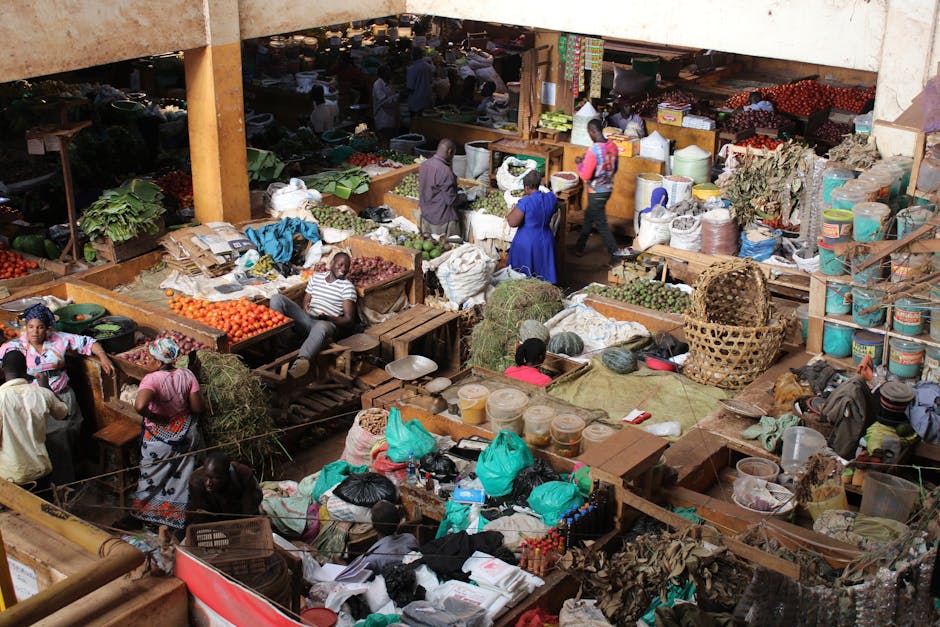
- Uganda’s border curbs have further isolated Bunia, exacerbating the economic strain caused by the Ebola outbreak in the DRC.
- The suspension of flights to and from Bunia has severely impacted trade and commerce, leading to shortages and price increases.
- The isolation of Bunia is a stark reminder of the devastating effects of public health crises on local communities and economies.
- The Ebola outbreak in the DRC has resulted in a significant increase in cases and fatalities, with a notable rise in the past month.
- The DRC government, WHO, and Ugandan authorities must work together to contain the outbreak and alleviate the economic strain on Bunia.
The Democratic Republic of Congo’s decision to suspend flights to and from Bunia, coupled with Uganda’s imposition of border curbs, has effectively isolated the city amid growing fears of an Ebola outbreak. As a result, the local economy is facing significant strain, with trade and commerce severely impacted. The isolation of Bunia is a stark reminder of the far-reaching consequences of public health crises, which can have devastating effects on local communities and economies.
Evidence of the Outbreak’s Impact

According to reports from the World Health Organization (WHO), the Ebola outbreak in the DRC has resulted in a significant increase in cases and fatalities. The suspension of flights and border curbs has been implemented to prevent the spread of the disease, but it has also disrupted the flow of goods and services, leading to shortages and price increases. Data from the DRC’s Ministry of Health indicates that the number of cases has been rising steadily, with a notable increase in the past month. Primary sources, including news reports, confirm the severity of the situation, highlighting the need for urgent action to contain the outbreak.
Key Players and Their Roles

The DRC government, the WHO, and the Ugandan authorities are key actors in the response to the Ebola outbreak. The DRC government has taken measures to contain the spread of the disease, including the suspension of flights and the imposition of quarantine measures. The WHO has provided technical assistance and support to the DRC government, while the Ugandan authorities have implemented border curbs to prevent the spread of the disease. Recent moves by these actors, including the deployment of health workers and the distribution of medical supplies, demonstrate their commitment to containing the outbreak.
Trade-Offs and Consequences

The suspension of flights and border curbs has resulted in significant economic costs, including losses to trade and commerce. However, these measures have also helped to prevent the spread of the disease, potentially saving lives. The risks associated with the outbreak, including the potential for further spread and the impact on local communities, must be weighed against the benefits of containment measures. Opportunities for growth and development, including investment in the healthcare sector and the promotion of public health awareness, may also arise from the response to the outbreak.
Timing and Response

The timing of the response to the Ebola outbreak is critical, with the suspension of flights and border curbs implemented to prevent the spread of the disease during a period of high risk. The DRC government and the WHO have responded quickly to the outbreak, with measures taken to contain the spread of the disease and prevent further cases. The reasons for the current situation, including the rise in cases and the need for urgent action, are clear, and the response has been guided by a commitment to protecting public health.
Where We Go From Here
Over the next 6-12 months, three scenarios are possible: the containment of the outbreak, the spread of the disease to other areas, or a prolonged period of isolation and economic strain. The first scenario is the most desirable, with the outbreak brought under control through the effective implementation of containment measures. The second scenario is a significant risk, with the potential for further spread and devastating consequences. The third scenario is also possible, with the isolation of Bunia potentially leading to long-term economic and social impacts.
In conclusion, the situation in Bunia is a stark reminder of the need for effective public health measures and the potential consequences of outbreaks. The response to the Ebola outbreak has been guided by a commitment to protecting public health, but it has also resulted in significant economic costs. As the situation continues to evolve, it is essential to prioritize the containment of the outbreak and the protection of local communities.
Source: Al Jazeera