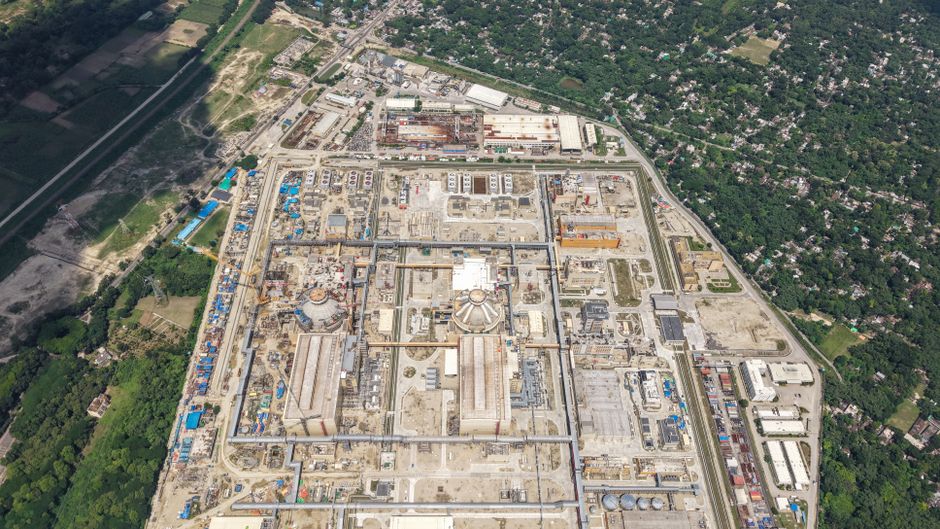
- The US Department of Energy has selected private companies to convert 20 tons of Cold War plutonium into mixed-oxide fuel for commercial reactors.
- This initiative aims to extend nuclear plant lifespans, reduce radioactive waste, and boost energy independence.
- The program has reignited debates over nuclear safety, nonproliferation risks, and the economic viability of MOX fuel production.
- The US is adopting a new approach to managing Cold War surplus plutonium after the original project was canceled due to cost overruns.
- The goal is to reduce US dependence on foreign energy sources and support the struggling nuclear energy sector.
The US Department of Energy has begun selecting private power companies to convert approximately 20 tonnes of weapons-grade plutonium—recovered from dismantled Cold War-era nuclear warheads—into mixed-oxide (MOX) fuel for commercial nuclear reactors. This initiative, revived under the Trump administration, marks a strategic pivot from nuclear disarmament symbolism to practical energy reuse. The plutonium, stored at facilities like the Savannah River Site in South Carolina, was originally slated for permanent disposal. Now, its transformation into reactor fuel could extend the lifespan of existing nuclear plants, reduce radioactive waste stockpiles, and bolster energy independence. However, the program reignites debates over nuclear safety, nonproliferation risks, and the economic viability of MOX fuel production.
Why is the US turning Cold War plutonium into fuel?

The decision stems from a dual objective: managing surplus weapons material and supporting the struggling US nuclear energy sector. After the Cold War, the US and Russia agreed to dispose of 34 tonnes each of surplus plutonium under the 2000 Plutonium Management and Disposition Agreement. The original US plan involved building a MOX Fuel Fabrication Facility at Savannah River to burn the material in reactors, rendering it unusable for weapons. However, that project was canceled in 2018 due to massive cost overruns—ballooning from $1.6 billion to over $17 billion. The current approach, known as \“dilute and dispose,\” instead mixes plutonium with inert materials for burial. But the new initiative revives the MOX concept through private partnerships, aiming to leverage commercial infrastructure to avoid taxpayer burdens. Proponents argue this could close the nuclear fuel cycle and demonstrate peaceful use of fissile materials, aligning with nonproliferation goals while supporting carbon-free energy.
What evidence supports the feasibility of this program?

The Department of Energy has issued a Request for Information (RFI) to gauge industry interest in handling and fabricating MOX fuel from the surplus plutonium. According to DOE officials, several US nuclear operators, including Duke Energy and Exelon, have expressed preliminary interest in testing plutonium-based fuel in existing reactors. France has operated MOX fuel in its nuclear fleet for decades, with about 40% of its reactors licensed to use it, providing a proven international model. The French National Assembly reports that over 30 reactors have safely used MOX since the 1980s, reducing the need for enriched uranium. World Nuclear Association data indicates MOX can replace up to one-third of the uranium fuel in light-water reactors without major modifications. Additionally, the DOE cites recent advances in fuel cladding and remote handling technologies that could lower costs and improve safety in MOX fabrication.
What are the counter-perspectives and risks involved?

Critics warn that repurposing weapons plutonium for civilian use increases proliferation and security risks. Plutonium in MOX fuel remains weapons-usable, requiring stringent safeguards during transport and processing. The International Panel on Fissile Materials has cautioned that any civilian use of separated plutonium creates opportunities for theft or diversion. Moreover, past MOX programs have faced economic hurdles—Japan’s $27 billion Rokkasho reprocessing plant has been plagued by delays and technical failures. In the US, the failed MOX facility at Savannah River exemplifies the financial pitfalls. Skeptics, including the Union of Concerned Scientists, argue that current reprocessing and MOX fabrication are significantly more expensive than using low-enriched uranium. They also highlight that only a fraction of US reactors are technically and legally permitted to use MOX, limiting scalability. Environmental groups fear that normalizing plutonium use could undermine efforts to phase out nuclear weapons materials entirely.
What real-world impact could this initiative have?

If successful, the program could extend the operational life of aging US nuclear plants, many of which are at risk of premature closure due to economic pressures. For example, the Peach Bottom Atomic Power Station in Pennsylvania or the Vogtle plant in Georgia might benefit from fuel diversification. The initiative could also stimulate investment in advanced fuel fabrication facilities, potentially creating high-skilled jobs in nuclear engineering and security. On the geopolitical front, demonstrating responsible reuse of weapons material may strengthen US credibility in nonproliferation talks, especially with Russia, which has suspended its participation in key arms control agreements. However, if the program stalls or faces public opposition—particularly in communities near proposed MOX sites—it could deepen distrust in federal nuclear management. The outcome may influence whether other nuclear-armed states pursue similar civilian reuse strategies.
What This Means For You
For American energy consumers, this initiative could support the stability of the electricity grid and help meet climate goals through low-carbon nuclear power. It also reflects a broader trend of repurposing military resources for civilian benefit, but raises questions about long-term safety and cost. Communities near nuclear facilities should anticipate increased scrutiny and potential activism around plutonium transport and storage. The success of the program will depend on transparency, regulatory oversight, and whether private firms can deliver economically viable solutions without repeating past failures.
Will private industry be able to overcome the technical and financial challenges that stymied previous government-led MOX efforts? And how will international partners and nonproliferation watchdogs respond to the civilian use of former weapons material? These questions will shape the future of nuclear energy and global security policy in the coming decade.
Source: Al Jazeera