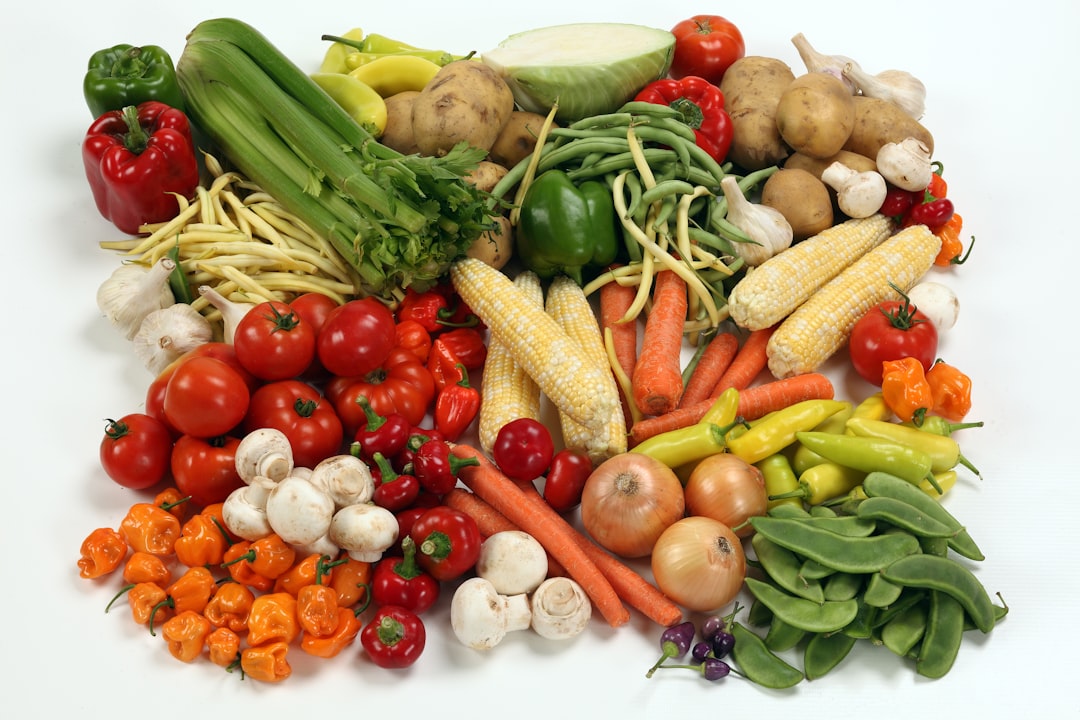
- Vegetarians have a lower risk of developing five types of cancer compared to non-vegetarians.
- Avoiding meat in a vegetarian diet can play a measurable role in cancer prevention, according to the study.
- The study found a 22% lower risk of colorectal cancer and a 14% lower risk of cervical cancer in vegetarians.
- Plant-based diets rich in fruits and vegetables may be beneficial in reducing cancer risk.
- The study’s findings support the hypothesis that dietary choices can impact cancer prevention, especially for colorectal, lung, and liver cancers.
More than 400,000 adults across the UK and US were followed in the largest study to date on vegetarian diets and cancer risk, revealing that vegetarians have a significantly lower risk of developing five types of cancer: colorectal, lung, liver, cervical, and stomach. Published by the American Institute for Cancer Research (AICR), the findings synthesize data from multiple long-term cohorts, showing reductions in incidence ranging from 9% to 22% depending on the cancer type. With cancer remaining a leading cause of death globally, this study offers robust evidence that dietary choices—specifically avoiding meat—can play a measurable role in prevention, especially as public health strategies increasingly emphasize lifestyle interventions.
What does the study reveal about vegetarian diets and cancer?

The analysis, which combined data from the UK Biobank and the Adventist Health Studies, tracked participants for an average of 13 years, comparing cancer incidence among vegetarians and non-vegetarians while adjusting for age, BMI, smoking, and physical activity. Vegetarians—defined as those who exclude all meat and fish—showed a 22% lower risk of colorectal cancer, a 20% reduction in lung cancer, and a 19% drop in liver cancer. Cervical and stomach cancers were also less common, by 14% and 9% respectively. Notably, no significant difference was found for breast, prostate, or pancreatic cancers. The findings support the hypothesis that plant-based diets rich in fiber, antioxidants, and phytochemicals while low in processed and red meats contribute to a less favorable environment for tumor development. While correlation does not prove causation, the consistency across cohorts strengthens the case for diet as a modifiable risk factor.
What evidence supports the link between diet and reduced cancer risk?

Multiple biological mechanisms may explain the protective effect. High fiber intake, common in vegetarian diets, improves gut motility and reduces insulin resistance—both linked to lower colorectal cancer risk. Plant foods are also rich in polyphenols and carotenoids, compounds shown in laboratory studies to inhibit cancer cell proliferation. Conversely, red and processed meats contain heme iron and nitrosamines, which can damage the gut lining and promote carcinogenesis. The World Health Organization has classified processed meat as a Group 1 carcinogen, and red meat as Group 2A, based on evidence primarily for colorectal cancer. This large-scale study aligns with those assessments, showing that avoiding these foods is associated with broad protective benefits. As reported by the Nature journal, dietary patterns now rank among the top preventable causes of cancer, second only to tobacco.
Are there limitations or opposing views on these findings?

Some researchers caution against overgeneralizing the results. Vegetarians in these studies often exhibit “healthy user bias”—they are more likely to exercise, avoid smoking, and undergo regular screenings, all of which independently reduce cancer risk. While the study adjusted for several confounders, residual lifestyle factors may still influence outcomes. Additionally, not all plant-based diets are equally beneficial; a diet high in refined grains and sugary plant foods may not offer the same protection as one centered on whole grains, legumes, and vegetables. Some nutritionists also point out that vegetarians may be at risk for deficiencies in vitamin B12, iron, and omega-3 fatty acids, which could have long-term health trade-offs. Furthermore, the data largely comes from predominantly white, health-conscious populations, limiting generalizability to more diverse groups. As such, while the trend is compelling, experts stress that diet is one piece of a multifactorial puzzle that includes genetics, environment, and access to healthcare.
How might these findings impact public health and individual choices?

The results could influence national dietary guidelines and cancer prevention programs. For instance, the American Cancer Society already recommends limiting red and processed meat, but this study provides stronger justification for promoting plant-forward eating patterns. Clinicians may increasingly discuss diet during cancer risk assessments, particularly for patients with family histories or other risk factors. On an individual level, even partial reductions in meat consumption—such as adopting a flexitarian or Mediterranean-style diet—may offer some benefit. Public health campaigns could focus on accessible plant-based swaps, like lentils instead of ground beef or plant-based milks fortified with B12. Schools, hospitals, and workplaces might also expand vegetarian options, leveraging this evidence to support long-term population health.
What This Means For You
If you’re looking to reduce your cancer risk, shifting toward a more plant-based diet—especially by cutting back on processed and red meats—could be one of the most impactful changes you make. The evidence suggests that it’s not necessary to go fully vegetarian to benefit; even modest increases in vegetables, legumes, and whole grains can help. However, balance is key—ensure you’re getting essential nutrients, potentially through fortified foods or supplements if needed.
While this study strengthens the case for plant-based eating, key questions remain: Do vegan diets offer even greater protection? How do cultural or regional dietary patterns modify these effects? And can dietary changes reverse early precancerous conditions? Future research tracking diverse populations over time will be essential to answer these questions and refine personalized nutrition strategies.
Source: Aicr