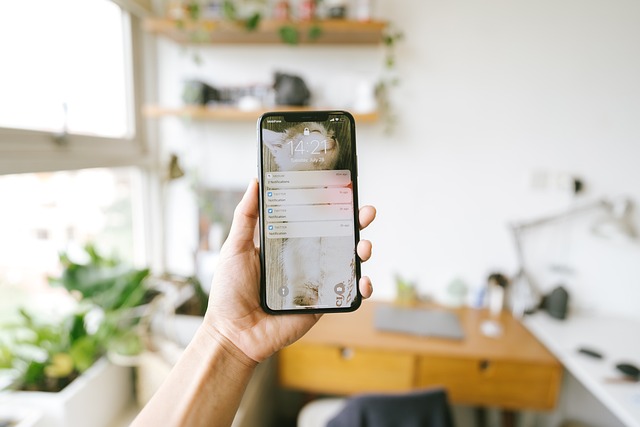
- Apple and Google are cracking down on push notifications to reduce distractions and improve user experience.
- New policies allow users to silence unknown senders and block notifications from specific apps.
- The changes aim to combat notification spam and promote digital wellness.
- Excessive notifications can lead to increased stress, decreased productivity, and annoyance.
- Developers must adapt to the new policies to continue engaging with their audience.
What happens when tech giants like Apple and Google decide to crack down on push notifications? For users, it means a significant reduction in annoying alerts from apps. Recently, both companies have introduced new measures to limit the number of notifications users receive, aiming to improve the overall mobile experience. This change affects not only users but also developers who rely on push notifications to engage with their audience, making it essential to understand the reasoning behind these new policies and their potential impact.
Understanding the New Push Notification Policies

Apple and Google have taken steps to give users more control over the notifications they receive. Apple’s iOS now allows users to automatically silence unknown senders, while Google’s Android offers a feature to block notifications from specific apps. These changes are part of a broader effort to combat notification spam and enhance user experience. By limiting unnecessary notifications, both companies aim to reduce distractions and make their operating systems more user-friendly. This shift also reflects a growing concern among consumers about digital wellness and the need for a healthier balance between technology use and daily life.
Evidence Supporting the Need for Change

Studies and user feedback have shown that excessive notifications can lead to increased stress levels, decreased productivity, and a general sense of annoyance. For instance, a study by Pew Research Center found that a significant portion of smartphone users feel overwhelmed by the number of notifications they receive. Furthermore, developers have begun to realize that while push notifications can be an effective tool for engagement, overuse can lead to user fatigue and ultimately, app uninstallation. As such, the move by Apple and Google to regulate notifications is seen as a positive step towards creating a more sustainable and user-centric ecosystem.
Counter-Perspectives and Challenges

Despite the potential benefits, there are concerns among developers about the impact of these new policies on their ability to communicate with users. Some argue that over-regulation could hinder the effectiveness of push notifications as a marketing tool, potentially affecting revenue. Additionally, small developers might face challenges in adapting to the new rules, which could exacerbate existing inequalities in the app market. Critics also point out that while limiting notifications might improve the user experience in the short term, it could lead to unintended consequences, such as users missing important updates or developers finding alternative, possibly more intrusive methods to reach their audience.
Real-World Impact and Examples

The changes in push notification policies are expected to have a significant real-world impact. For users, this means a cleaner, less cluttered notification feed, potentially leading to a better overall experience with their devices. Developers, on the other hand, will need to adapt their strategies, focusing on quality over quantity when it comes to notifications. Companies like The New York Times and social media platforms will have to rethink their engagement models, possibly investing more in in-app messaging and personalization to maintain user interaction without relying heavily on push notifications.
What This Means For You
For the average user, these changes mean less noise and more signal in your notification feed. It’s an opportunity to reassess which apps are truly important and worthy of your attention. By taking advantage of the new features offered by Apple and Google, you can customize your notification experience, reducing distractions and enhancing your digital wellness. This shift also prompts a broader conversation about technology use and how we can design systems that support, rather than detract from, our well-being.
As we move forward, an open question remains: how will developers and tech companies balance the need for user engagement with the imperative to protect users from notification overload? The answer will likely involve a combination of technological innovation, user education, and policy adjustments. For now, the steps taken by Apple and Google mark an important step towards a future where technology serves to enhance, rather than overwhelm, our lives.
Source: Jacquescorbytuech