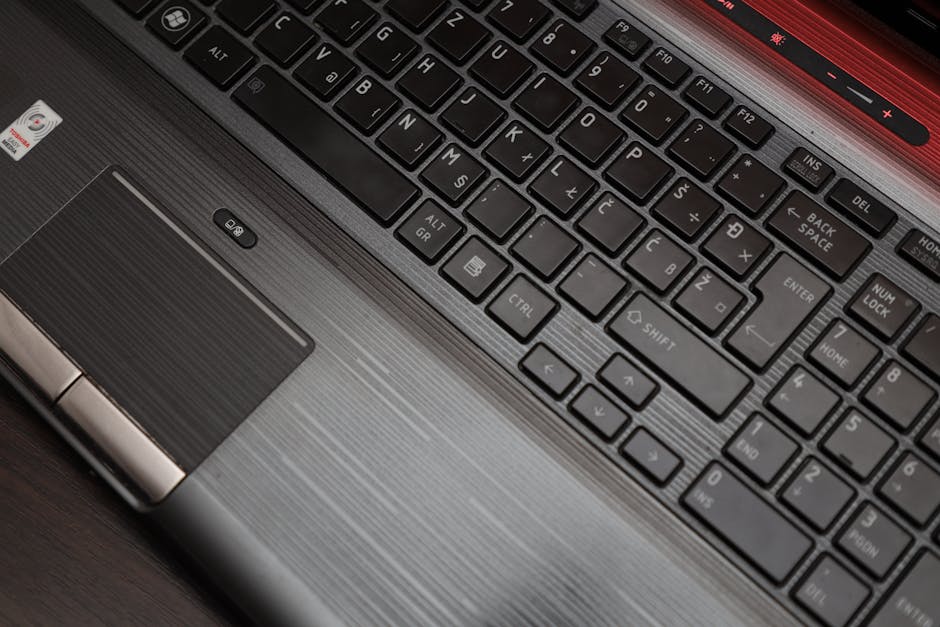
- Major PC manufacturers like Dell, HP, and Lenovo are launching budget laptops under $600 to compete with Apple’s MacBook Neo.
- New models feature upgraded processors, better displays, and more durable chassis, marking a significant improvement over previous budget laptops.
- These budget laptops now include features once reserved for premium devices, such as full-HD IPS displays and 16GB of RAM.
- The new wave of budget laptops is driven by competitive pressure from Apple’s surprisingly successful MacBook Neo.
- The PC industry is finally innovating in the budget segment, offering meaningful upgrades to long-neglected customers.
In early 2026, Apple disrupted the budget laptop segment with the launch of the MacBook Neo—a sub-$600 device that defied expectations for affordable computing with solid build quality, all-day battery life, and macOS optimization. Now, major PC manufacturers including Dell, HP, and Lenovo are responding with a wave of redesigned entry-level laptops aimed at reclaiming market share. These new models, unveiled at Computex 2026 and rolling out globally by mid-year, feature upgraded processors, better displays, and more durable chassis—all priced under $600. This shift marks a pivotal moment in the PC industry, where long-neglected budget segments are finally receiving meaningful innovation, driven by competitive pressure from Apple’s surprisingly successful Neo.
New Wave of Competitive Budget Laptops

At Computex 2026, Dell introduced the Inspiron 14 3450, HP launched the Pavilion Aero 14t, and Lenovo unveiled the IdeaPad Slim 5i—all targeting the $450–$599 price range with features once reserved for premium devices. These models now include full-HD IPS displays, 16GB of RAM, 512GB SSDs, and 12th- and 13th-generation Intel Core i3 and i5 processors, a significant leap from the underpowered Celeron and Pentium chips that dominated budget Windows laptops for over a decade. Notably, build quality has improved, with aluminum chassis and thinner bezels replacing the flimsy plastic designs of the past. According to industry analysts, these upgrades reflect a direct response to the MacBook Neo’s success in proving that consumers will embrace well-designed, affordable Macs even in traditionally Windows-dominated markets like education and small business.
The Long Struggle of Budget Windows Laptops

For years, sub-$600 Windows laptops were synonymous with compromise. From the Chromebook-dominated education sector to entry-level corporate deployments, most affordable PCs relied on low-power processors, 4GB of RAM, and 60Hz TN panels with poor color accuracy and viewing angles. While Chromebooks offered simplicity and cloud integration, their offline limitations frustrated users. Traditional Windows laptops in this range often struggled with basic multitasking and degraded quickly under regular use. Despite periodic attempts by OEMs to improve the segment—such as Microsoft’s Surface Go series or HP’s EliteBook 600 series—none achieved broad appeal. The market remained stagnant, with manufacturers prioritizing high-margin premium devices. The MacBook Neo’s 2026 debut shattered this inertia, demonstrating that a well-engineered, affordable Mac could achieve strong reviews and rapid adoption, particularly in schools and among first-time laptop buyers.
Key Players Shaping the Response

Apple’s move was led by product chief John Ternus, who championed the Neo as a strategic play to expand macOS adoption beyond its traditional user base. By leveraging Apple’s vertical integration and supply chain efficiency, the company delivered a laptop with a unibody aluminum design, M2 chip (downclocked for thermal efficiency), and 18-hour battery life—all under $600. On the PC side, executives like Dell’s Vishal Gupta and Lenovo’s Christian Dickmann have publicly acknowledged the Neo’s impact. In interviews, they cited shifting internal priorities toward value innovation, with engineering teams now incentivized to deliver better performance per dollar. Intel, too, has adjusted its roadmap, accelerating the rollout of its low-power Core Ultra 3 processors to equip these new budget machines. Together, these players are redefining what’s possible in the entry-level laptop space, pushing the entire ecosystem toward higher standards.
Implications for Consumers and Institutions

For consumers, the competition means better choices at lower prices. Students, remote workers, and budget-conscious families now have access to laptops that can handle video calls, document editing, and media streaming without constant lag or premature obsolescence. Educational institutions, long reliant on Chromebooks for cost reasons, may reconsider Windows or macOS deployments if longevity and software support improve. For PC manufacturers, this shift could revitalize stagnant sales volumes, especially in emerging markets where affordability is paramount. However, profit margins remain tight, forcing OEMs to innovate in design and sourcing. Some analysts warn that without sustained demand, these improvements could be short-lived—especially if Apple exits the segment or shifts pricing strategy in 2027.
The Bigger Picture
The MacBook Neo’s ripple effect underscores a broader truth in tech: competition drives innovation, even in overlooked markets. For over a decade, the budget laptop category was treated as a commodity, with minimal investment and incremental upgrades. Apple’s entry has forced a reckoning, proving that users value quality regardless of price point. This moment echoes the early 2010s smartphone race, when budget Android devices improved rapidly due to flagship-level competition. Now, the PC industry faces a similar inflection point—one that could elevate the baseline experience for millions of users worldwide.
What comes next will depend on whether PC makers can sustain this momentum. If they continue refining design, performance, and software support, the era of the ‘disposable laptop’ may finally be ending. But if cost-cutting resumes once the immediate threat fades, consumers could be back to square one. For now, the MacBook Neo has lit a fire under the PC industry—one that may burn long after the headlines fade.
Source: Ars Technica