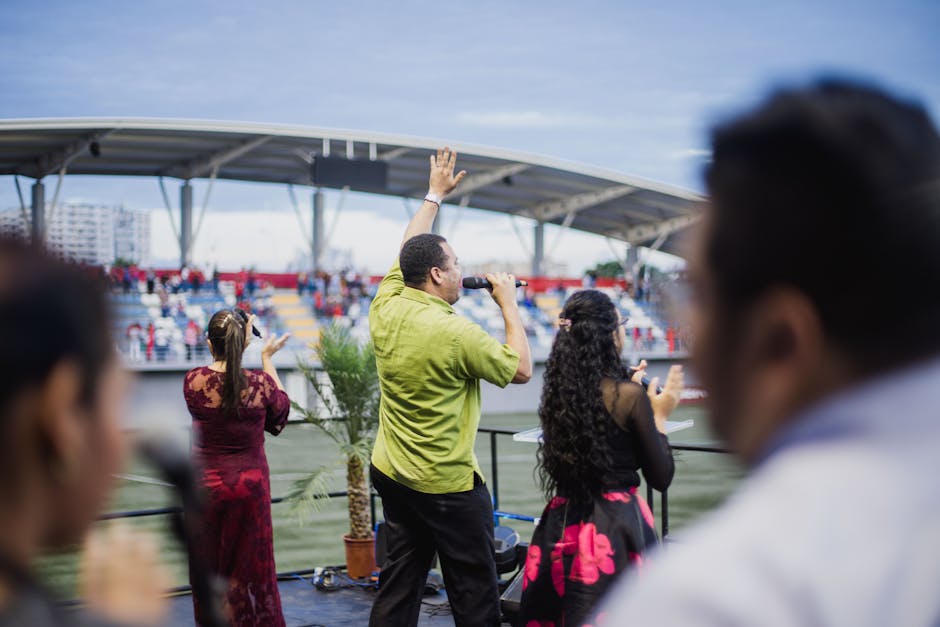
- Oklahoma softball fans came together to complete the national anthem for a young fan who lost his voice mid-verse.
- The moment showcased empathy and community in a rare display of shared humanity.
- The crowd’s spontaneous response was an organic gesture of solidarity, transcending competition and division.
- The young boy, believed to be battling a serious medical condition, was invited to sing the national anthem at the NCAA Division I softball regional final.
- The stadium came together to create a memorable moment that highlighted the power of sports to bring people together in real time.
During the NCAA softball regional final in Norman, Oklahoma, fans of the Sooners completed the national anthem for a young boy who began singing but lost his voice mid-verse—a simple act of solidarity that became a national symbol of empathy and community. The moment occurred on May 19, 2024, before the decisive game between Oklahoma and Arizona, as the child, visibly emotional and physically strained, started singing on the field. When he faltered, the crowd seamlessly picked up the lyrics, surrounding him with support. This spontaneous gesture matters now as a rare, uplifting counter-narrative in an era often dominated by division, illustrating how sports can catalyze shared humanity in real time.
What Happened During the National Anthem at the NCAA Softball Game?

At the NCAA Division I softball regional final hosted at Love’s Field, the University of Oklahoma invited a young boy—believed to be battling a serious medical condition—to sing the national anthem. As he began performing ‘The Star-Spangled Banner’ with courage and composure, his voice wavered and eventually faded before the final verse. Instead of silence or discomfort, the entire stadium responded in unison, continuing the anthem with clear, steady voices. No announcements were made, no cues given—the crowd’s response was entirely organic. Fans, players, coaches, and even opponents from the Arizona Wildcats stood in respectful solidarity, creating a moment that transcended competition. The scene was captured on video and quickly spread across social media, with many calling it one of the most moving moments in recent sports history.
How Did the Public and Media React to the Crowd’s Response?

The moment gained national attention within hours, shared widely on platforms like Reddit, X (formerly Twitter), and Instagram, where clips garnered millions of views. Major sports outlets, including ESPN and CBS Sports, highlighted the incident as a testament to the spirit of collegiate athletics. Reuters reported that the boy, whose identity has not been publicly confirmed, was invited through a nonprofit organization supporting children with serious illnesses. The University of Oklahoma Athletics Department released a statement praising the crowd’s compassion: ‘This is who we are—a family that lifts each other up.’ Former athletes and commentators echoed the sentiment, with softball legend Jessica Mendoza calling it ‘the purest form of sportsmanship and human connection.’
Are There Criticisms or Alternative Views on the Moment?

While overwhelmingly praised, the moment also prompted nuanced discussions about emotional manipulation and the role of symbolism in sports. Some critics questioned whether such moments, while powerful, risk reducing complex issues—like pediatric illness or mental health—to brief viral spectacles without long-term impact. Others noted that while the crowd’s response was genuine, the broader culture of ‘inspiration porn’—where people with disabilities or health challenges are highlighted primarily for the emotional uplift of others—can be problematic if not paired with sustained support. A few social media users cautioned against over-glorifying the event, emphasizing that real change requires systemic support beyond a single gesture. Still, most agreed that the Oklahoma fans’ reaction was authentic and that collective empathy, even when fleeting, holds value in fostering inclusive communities.
What Real-World Impact Has This Moment Had?

Beyond the emotional resonance, the incident has inspired tangible action. The Sooners’ softball team announced a new community initiative called ‘Voice for Every Voice,’ partnering with local hospitals to provide performance opportunities for children facing medical challenges. In the week following the game, donations to organizations like the Make-A-Wish Foundation and Ronald McDonald House Charities saw a measurable uptick, with some donors citing the anthem moment as motivation. High school and youth sports teams across the country have shared videos of similar crowd-supported anthems, modeling the same inclusivity. Even beyond sports, educators and counselors have used the clip in discussions about empathy, peer support, and mental resilience, turning a three-minute sequence into a teaching tool for character development.
What This Means For You
This moment reminds us that collective kindness doesn’t require grand organization—just presence and willingness to act. In everyday life, whether at a game, in a classroom, or online, small acts of support can have lasting emotional impact. The Oklahoma crowd didn’t wait for instruction; they responded instinctively, showing how preparedness to care can shape culture. For parents, educators, and community leaders, it underscores the importance of modeling empathy in public spaces.
But how can society ensure such moments of unity lead to more than just viral sentiment? If emotional gestures are not followed by sustained action—whether through policy, funding, or inclusion initiatives—do they risk becoming performative? The challenge now is to channel the warmth of this moment into durable support for children facing health challenges, ensuring that compassion isn’t seasonal but structural.
Source: Reddit