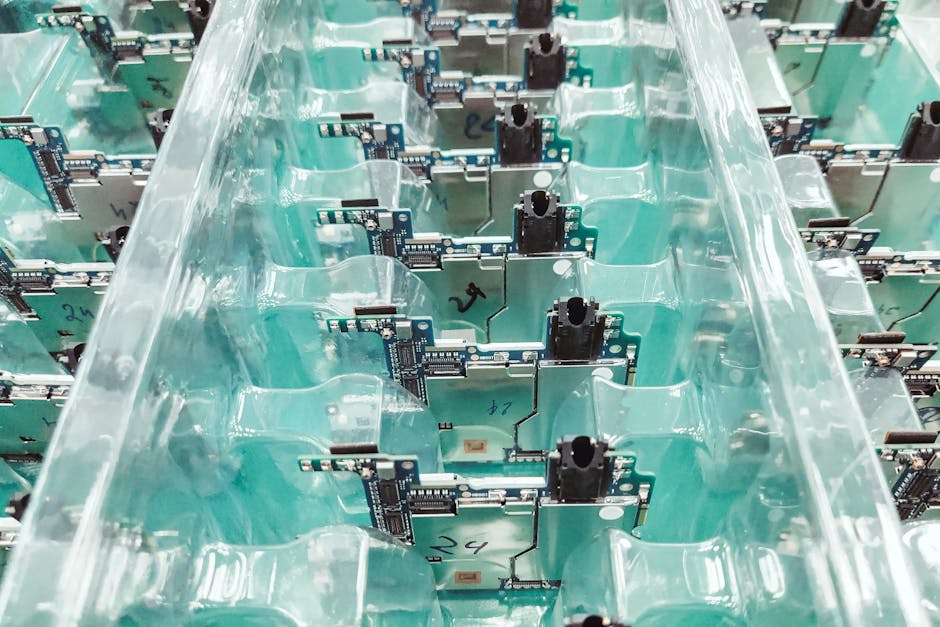
- Taiwan’s economy grew 6.2% in 2025, driven by global demand for AI chips, its strongest performance in over a decade.
- Semiconductor exports rose 34% year-on-year, with Taiwan becoming a pivotal player in the global AI supply chain.
- Real wages stagnated, housing costs soared, and rural areas felt little spillover from the economic growth.
- The tech industry, led by Taiwan Semiconductor Manufacturing Company, is the backbone of Taiwan’s economic resurgence.
- AI-specific chips, like HBM and 3nm/2nm logic processors, drove a significant portion of Taiwan’s chip export growth.
Taiwan’s economy expanded by 6.2% in 2025, its strongest performance in over a decade, fueled by global demand for advanced semiconductor chips powering artificial intelligence systems. The surge, centered in the high-tech hubs of Hsinchu and Taoyuan, has elevated Taiwan to a pivotal role in the global AI supply chain, with semiconductor exports rising 34% year-on-year. Yet this growth has not been evenly felt: real wages stagnated, housing costs soared, and rural areas saw little spillover, raising concerns that economic gains are concentrated among tech elites and shareholders rather than the broader population. This divergence underscores a growing tension between national prosperity and inclusive development in one of Asia’s most advanced economies.
AI-Driven Export Surge Fuels Record Growth

Taiwan’s semiconductor industry, led by Taiwan Semiconductor Manufacturing Company (TSMC), has become the backbone of its economic resurgence. In 2025, chip exports reached $195 billion, accounting for nearly 40% of total export revenue and up from $145 billion in 2023. A significant portion of this growth is tied to demand for AI-specific chips, particularly high-bandwidth memory (HBM) and 3nm and 2nm logic processors used in data centers operated by firms like NVIDIA, Microsoft, and Google. According to Taiwan’s Ministry of Economic Affairs, the technology sector contributed 58% of GDP growth last year, with capital investment in semiconductor fabrication plants increasing by 27%. TSMC alone invested over $30 billion in domestic capacity, including its new Kaohsiung fab specializing in advanced packaging for AI workloads. This industrial pivot has drawn praise from the International Monetary Fund, which upgraded Taiwan’s growth forecast mid-year, citing “unprecedented demand for cutting-edge logic and memory chips” as a key driver. Even amid geopolitical tensions, Taiwan’s technical edge and manufacturing reliability have made it indispensable to global AI development.
Key Players: TSMC, Government, and the Labor Market

The primary architect of this boom is TSMC, which controls over 60% of the global foundry market and nearly 90% of advanced-node chip production. Under CEO C.C. Wei, the company has prioritized AI-related capacity expansion while maintaining tight control over intellectual property and supply chain security. The Taiwanese government has played a crucial enabling role, offering tax incentives, expediting land use permits, and funding workforce training programs through the Industrial Technology Research Institute (ITRI). However, labor markets tell a more complex story. While high-skilled engineers in Hsinchu earn premium salaries, median wages across the island rose only 1.8% in 2025, failing to keep pace with a 3.4% inflation rate. Service-sector workers, particularly in tourism and retail, report declining purchasing power. Meanwhile, younger generations express frustration over housing affordability, with home prices in Taipei reaching 18 times the median annual income. The gap between tech insiders and the general population has become a flashpoint in public discourse, with growing calls for wealth redistribution and industrial diversification.
Trade-Offs Between Growth and Equity

The AI-driven boom has delivered undeniable macroeconomic benefits, strengthening Taiwan’s foreign reserves, boosting government revenues, and enhancing its strategic value to the United States and other democracies seeking resilient supply chains. However, these gains come with significant trade-offs. The concentration of wealth and opportunity in the semiconductor corridor risks deepening regional inequality, as counties in eastern and southern Taiwan see minimal investment. Environmental concerns are also mounting: semiconductor manufacturing is water- and energy-intensive, and several plants faced scrutiny in 2025 over groundwater usage during drought conditions. Moreover, overreliance on a single export sector exposes Taiwan to external shocks, whether from AI market saturation, U.S.-China tech decoupling, or military instability in the Taiwan Strait. While the government has launched initiatives like the “Digital Nation” program to spread digital literacy and support small businesses, critics argue these efforts remain underfunded and symbolic. As one economist at National Chengchi University noted, “A nation cannot thrive on chips alone — we need broader-based innovation and wage growth.”
Why Now? The AI Inflection Point

The current boom reflects a confluence of technological and geopolitical shifts that accelerated in 2023–2025. The global AI arms race, particularly between the U.S. and China, led Western firms to prioritize secure, high-yield manufacturing partners, favoring TSMC over mainland alternatives. Simultaneously, breakthroughs in large language models and generative AI created explosive demand for specialized chips, which Taiwan was uniquely positioned to supply. The U.S. CHIPS Act and European semiconductor initiatives further cemented Taiwan’s role by funding overseas fabs while relying on its IP and expertise. At home, years of investment in STEM education and R&D have matured into a robust innovation ecosystem. But the speed of this growth has outpaced policy adjustments, leaving social infrastructure—from housing to healthcare—straining under pressure. The result is a paradox: Taiwan is more economically vital than ever, yet its citizens are increasingly questioning whether the system works for them.
Where We Go From Here
Over the next 12 months, Taiwan could face one of three scenarios. In an optimistic path, the government leverages higher tax revenues to fund affordable housing, raise minimum wages, and invest in regional development, diffusing social tensions while maintaining tech leadership. A second, more likely scenario involves continued growth but rising protests over inequality, potentially influencing the 2028 legislative elections and pushing parties toward populist economic platforms. A third, riskier trajectory emerges if cross-strait tensions escalate or global AI investment cools, triggering a semiconductor downturn that exposes the fragility of a chip-dependent economy. Regardless of the path, Taiwan must balance its role as a global tech powerhouse with the need for inclusive growth. International partners, particularly the U.S. and Japan, are watching closely, as Taiwan’s stability is now seen as critical to the global digital economy.
Bottom line — Taiwan’s AI-fueled economic boom has cemented its status as a linchpin of the global technology order, but without deliberate policies to broaden prosperity, growth may deepen divisions rather than unite the nation.
Source: Al Jazeera