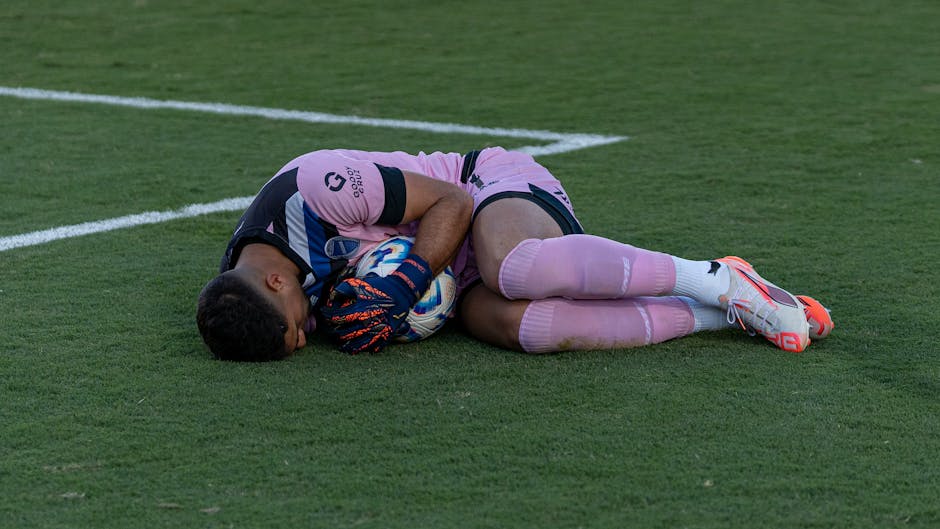
- Sunderland’s Roly Gregoire has spoken out about the racist abuse he suffered during his football career, 46 years after remaining silent.
- Gregoire’s story highlights the need for greater awareness and understanding of the impact of racism in sports.
- The former footballer’s decision to share his story aims to raise awareness about the lasting impact of racist abuse and promote inclusivity.
- Gregoire’s experiences as a black player in a predominantly white sport were marked by racist taunts and abuse from various sources.
- Breaking his silence, Gregoire hopes to inspire others to share their own stories and confront the painful past.
Roly Gregoire, Sunderland’s first black player, has spoken out about the racist abuse he suffered during his career, revealing that he sometimes wishes he had never played football due to the pain it caused him. The 67-year-old former footballer has broken his 46-year silence on the issue, highlighting the need for greater awareness and understanding of the impact of racism in sports. As the first black player to don the Sunderland jersey, Gregoire’s story serves as a reminder of the challenges faced by minority athletes in the past.
Breaking the Silence

Gregoire’s decision to share his story comes at a time when the sports world is grappling with issues of racism and diversity. The recent resurgence of racist incidents in football has sparked a renewed conversation about the need for greater inclusivity and tolerance. By speaking out, Gregoire hopes to raise awareness about the lasting impact of racist abuse and to inspire others to share their own stories. His bravery in confronting his painful past serves as a powerful reminder of the importance of addressing these issues head-on.
A Career Marked by Racism

Gregoire’s experiences as a black player in a predominantly white sport were marked by racist taunts and abuse from fans, opponents, and even some of his own teammates. The abuse took a significant toll on his mental health, causing him to question his decision to play the sport he loved. Despite his talent and dedication, Gregoire found it difficult to cope with the constant barrage of racist insults, which ultimately led him to withdraw from public life and keep his story hidden for decades. The fact that he has now chosen to speak out is a testament to his strength and resilience.
Understanding the Impact

The impact of racist abuse on athletes like Gregoire cannot be overstated. The constant exposure to hate speech and discriminatory behavior can lead to anxiety, depression, and even suicidal thoughts. Furthermore, the lack of support and resources available to athletes who experience racism can exacerbate the problem, leaving them feeling isolated and alone. As recent studies have shown, the effects of racism in sports can be long-lasting, affecting not only the athletes themselves but also their families and communities.
Moving Forward

The implications of Gregoire’s story are far-reaching, highlighting the need for greater awareness and education about the impact of racism in sports. By sharing his experiences, Gregoire hopes to inspire others to speak out and to create a more inclusive and supportive environment for athletes from diverse backgrounds. As the sports world continues to grapple with issues of racism and diversity, Gregoire’s story serves as a powerful reminder of the importance of addressing these issues head-on and creating a more just and equitable society for all.
Expert Perspectives
Experts in the field of sports and racism have praised Gregoire’s bravery in speaking out, highlighting the importance of his story in raising awareness about the issue. According to experts, the key to creating a more inclusive sports environment lies in education and awareness, as well as the implementation of policies and programs that support athletes from diverse backgrounds. By working together, we can create a more just and equitable society for all athletes, regardless of their race or background.
As we look to the future, it is essential to continue the conversation about racism in sports, using stories like Gregoire’s as a catalyst for change. By listening to the experiences of athletes like Gregoire and working to create a more inclusive and supportive environment, we can help to ensure that the next generation of athletes does not have to face the same challenges. The question remains, what more can be done to address the issue of racism in sports, and how can we work together to create a more just and equitable society for all?
Source: BBC