- Alexia Putellas leaves Barcelona after 14 seasons, a period marked by 7 Liga F titles and 2 UEFA Women’s Champions League wins.
- The 32-year-old midfielder departs as one of the most decorated players in Spanish football history, with 507 appearances and 233 goals.
- Putellas’ exit underscores the accelerating global mobility of top-tier women’s talent, with clubs abroad increasingly interested in her services.
- The loss of her leadership could impact Barcelona’s future prospects, and the team’s ability to retain top talent.
- Putellas’ legacy extends beyond her on-field achievements, as her leadership helped professionalize and grow the women’s game in Spain.
Barcelona has confirmed the departure of Alexia Putellas, the club’s iconic captain and two-time Ballon d’Or winner, following the expiration of her contract after 14 seasons. The 32-year-old midfielder, who joined from Levante in 2012 and made a club-record 507 appearances while scoring 233 goals, leaves as one of the most decorated players in Spanish football history. Her exit marks a pivotal moment not only for Barcelona but for the entire landscape of women’s football, as the team loses its most influential leader amid growing interest from clubs abroad—including England’s London City Lionesses. The move underscores the accelerating global mobility of top-tier women’s talent and raises questions about the future of domestic retention in Europe’s top leagues.
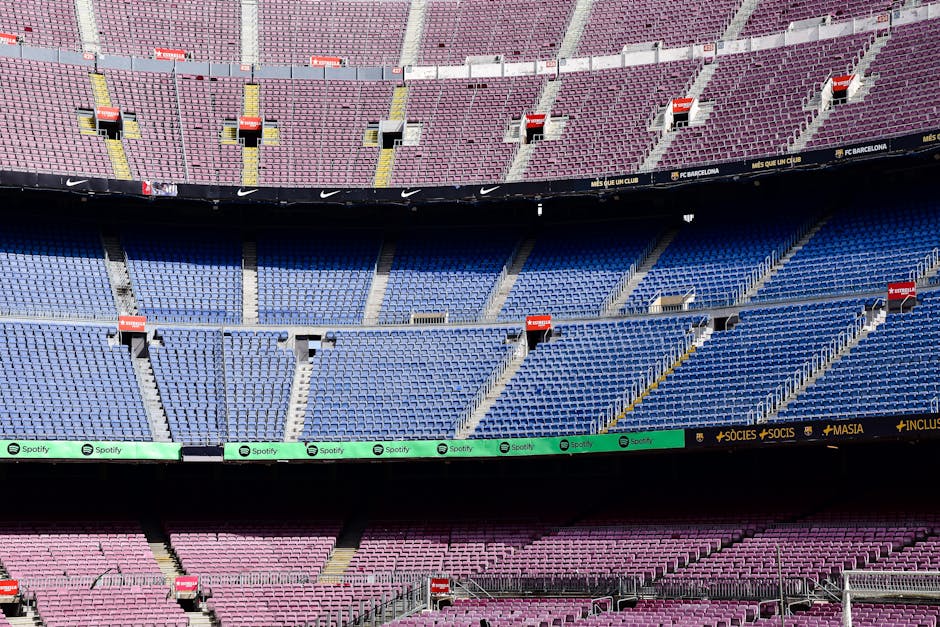
A Legacy Forged at Camp Nou

Alèxia Putellas’ departure closes a transformative chapter in Barcelona’s history, one that saw the club evolve from a domestic contender into a dominant global force in women’s football. Her tenure coincided with the professionalization and exponential growth of the women’s game in Spain, a movement she helped lead both on and off the pitch. Named captain in 2017, Putellas became the heartbeat of a team that won seven Liga F titles, five Copa de la Reina trophies, and the UEFA Women’s Champions League twice—most notably in 2021 and 2023. Beyond statistics, her leadership, vision, and technical mastery redefined the midfield role in women’s soccer. As the first Spanish woman to win the Ballon d’Or twice (in 2021 and 2022), she became a national symbol of excellence and perseverance, especially after returning to elite form following a serious ACL injury in 2022.
The Final Contract Negotiations

Despite her symbolic and sporting importance, Putellas’ exit unfolded without a farewell match or contract renewal, signaling a rare breakdown in relations between a legend and her lifelong club. Reports suggest that negotiations stalled over salary structure and contract length, with Barcelona citing financial constraints under La Liga’s newly imposed salary caps for women’s teams. While the club expressed willingness to retain her, it could not match the multi-year, tax-advantaged offers emerging from leagues outside Spain, particularly in the United Kingdom and Australia. London City Lionesses, a rising side in the English Women’s Championship aiming for Premier League promotion, have emerged as frontrunners to sign her, drawn by her leadership qualities and market appeal. Other suitors include clubs in the NWSL and Saudi Arabia’s rapidly expanding women’s league, reflecting the growing financial clout beyond traditional football powers.
Shifting Tides in Women’s Football

Putellas’ departure is emblematic of a broader trend: the increasing global competition for elite women’s talent. Once confined to a few European powerhouses, top players now have options across North America, Asia, and the Middle East, where investment is surging. According to BBC Sport, the average transfer fee and salary in women’s football have risen by over 200% since 2020, driven by commercial interest and broadcast deals. While Spain’s Liga F remains competitive, it lags behind the English Women’s Super League and Germany’s Frauen-Bundesliga in revenue generation and infrastructure. Barcelona, despite its success, faces challenges in retaining stars long-term, as seen previously with Aitana Bonmatí’s contract concerns and now Putellas’ exit. The loss of such a figurehead could impact team cohesion and youth development, where veteran mentorship plays a crucial role.
Impact on Club and Country

Barcelona will need to recalibrate both tactically and culturally in Putellas’ absence. As a deep-lying playmaker with exceptional game management, her influence extended beyond scoring—she orchestrated transitions, controlled tempo, and elevated teammates. Her departure may accelerate the promotion of younger midfielders like Claudia Pina or the repositioning of existing squad players. For the Spanish national team, the concern is less immediate—Putellas has indicated she will continue playing internationally—but her absence from a domestic top-flight could limit consistency in training rhythm and match fitness. Moreover, her move abroad may inspire other Spanish stars to explore opportunities elsewhere, potentially weakening the domestic league’s competitive depth. Spanish football authorities have already called for increased investment in women’s football to stem the talent drain.
Expert Perspectives
“Alexia isn’t just a player; she’s a benchmark,” said Dr. Marta Rovira, a sports sociologist at the University of Barcelona, in a recent interview with The Guardian. “Her leaving signals that emotional loyalty alone can’t compete with structural support and financial security.” Meanwhile, English football analyst Lucy Morgan notes, “London City getting Putellas would be a game-changer—not just for their promotion hopes, but for the visibility of the Championship. She brings global attention.” However, some critics warn that such moves risk fragmenting national leagues and reducing international tournament cohesion if players lack consistent domestic competition.
As the summer transfer window unfolds, all eyes will be on where Putellas ultimately signs. Her decision will influence not only her legacy but also the trajectory of women’s club football. Will she seek one final Champions League triumph with a new project, or prioritize legacy-building through mentorship in a developing league? Barcelona fans will watch closely, knowing they’ve witnessed the end of an era—and the beginning of a new global chapter in women’s sports.
Source: The Guardian