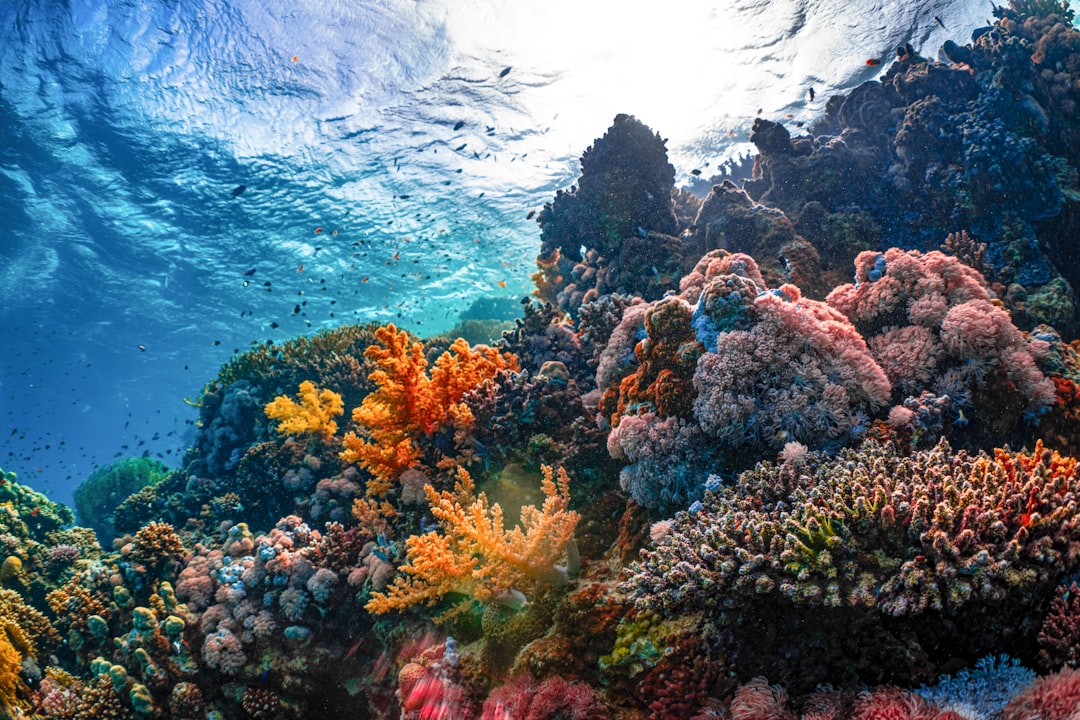
- Scuba divers unintentionally damage coral reefs in high numbers, with 80% of physical contact being unintended or unnoticed.
- Research highlights a gap between conservation intentions and real-world behavior among divers.
- Even minor physical disturbances can impede coral reef recovery and accelerate degradation.
- The discovery shifts focus from deliberate harm to unconscious actions, emphasizing the need for education and technique refinement.
- Coral reefs are already under threat from climate change, overfishing, and pollution, making preservation efforts crucial.
Scuba divers, even experienced ones, are unintentionally damaging coral reefs in greater numbers than previously understood, according to new research analyzing underwater video footage. The study found that more than 80 percent of physical contact between divers and coral is either unintended or goes unnoticed by the diver at the moment of impact. Conducted across multiple reef sites in Southeast Asia and the Caribbean, the research highlights a critical gap between conservation intentions and real-world behavior. With coral reefs already under threat from climate change, overfishing, and pollution, even minor physical disturbances can impede recovery and accelerate degradation. This discovery matters because it shifts the focus from deliberate harm to unconscious actions, suggesting that education and technique refinement—not just regulation—are essential to reef preservation.
Video Evidence Reveals Scale of Unintended Contact

Researchers compiled over 1,200 hours of underwater video footage from more than 400 recreational scuba dives across Indonesia, the Philippines, and the Cayman Islands to quantify diver-coral interactions. Using frame-by-frame analysis, they identified contact events and categorized them by intent and awareness. Of the 1,852 documented contacts, 83% were classified as unintentional—such as a fin kick brushing against branching coral or a diver drifting into a reef while adjusting equipment. Another 12% were noticed by the diver only after the fact, often captured clearly on camera but missed in real time. Only 5% involved deliberate touching, such as a diver picking up a shell or posing for a photo on a reef structure. The study, published in a peer-reviewed marine conservation journal, underscores how difficult it is for divers to maintain neutral buoyancy and situational awareness in dynamic underwater environments. Sites with higher tourist traffic recorded contact rates up to 3.2 incidents per dive, compared to 0.8 in less-visited areas, suggesting that increased visitation directly correlates with ecological risk even when divers follow best practices.
Key Players: Divers, Operators, and Conservation Groups

The primary actors in this dynamic are recreational divers, dive operators, and marine conservation organizations. While most divers adhere to environmental guidelines and express concern for reef health, the study shows that knowledge does not always translate into action. Dive operators, especially in popular tourist destinations, face economic incentives to maximize the number of dives per day, which can limit time for pre-dive briefings or skill reinforcement. However, some operators have begun integrating buoyancy training and low-impact diving modules into certification programs. Organizations like the Reef-World Foundation and the Professional Association of Diving Instructors (PADI) have promoted the Green Fins initiative, which trains dive guides to model and teach responsible behavior. Despite these efforts, compliance varies widely. In some regions, enforcement is weak, and training is inconsistent. The new data suggest that even among divers trained in eco-friendly practices, muscle memory and environmental distractions—such as strong currents or camera handling—can override learned behavior, making systemic change more complex than awareness alone.
Trade-Offs Between Access and Preservation

The growing popularity of scuba tourism presents a classic conservation trade-off: economic benefits and public engagement versus ecological degradation. Coral reefs generate an estimated $36 billion annually in tourism revenue, supporting livelihoods in coastal communities across the Global South. At the same time, reefs are among the most vulnerable ecosystems on Earth, with the International Union for Conservation of Nature (IUCN) warning that over 60% of the world’s reefs are at high risk of collapse. While dive tourism can fund marine protected areas and foster stewardship, the physical impact of repeated contact—especially to slow-growing species like staghorn and plate corals—can lead to tissue damage, disease, and reduced reproductive success. Mitigation strategies such as limiting group sizes, designating swim lanes, or charging environmental fees exist but are unevenly adopted. Moreover, there is no global standard for measuring or reporting diver impact, making accountability difficult. The unintended nature of most damage complicates regulation, as punitive approaches may alienate well-meaning tourists who are unaware they’ve caused harm.
Why This Research Is Emerging Now

This study arrives at a pivotal moment for coral reef conservation, as scientists warn that global reef systems are approaching irreversible tipping points. Rising sea temperatures and ocean acidification have already caused mass bleaching events in the Great Barrier Reef, the Red Sea, and the Caribbean. Against this backdrop, localized stressors like diver contact—once considered minor—now carry greater consequence. Advances in underwater video technology and behavioral analytics have only recently enabled granular, large-scale observation of human-reef interactions. Earlier assessments relied on diver self-reporting or post-dive surveys, which are prone to recall bias and social desirability effects. The use of objective video evidence removes these distortions and provides a more accurate baseline. Additionally, the post-pandemic surge in dive tourism has amplified pressure on reef sites, making it urgent to understand and mitigate human impacts before recovery becomes impossible.
Where We Go From Here
In the next 6 to 12 months, three scenarios could unfold. First, regulatory agencies and certification bodies may adopt mandatory low-impact diving modules, integrating real-time feedback tools like wearable sensors or post-dive video reviews into training. Second, marine protected areas could implement dynamic carrying capacities, using data from studies like this to cap dive numbers during sensitive periods such as coral spawning. Third, without intervention, current trends may continue, normalizing low-level damage that accumulates into long-term degradation—particularly in under-resourced regions lacking monitoring infrastructure. The path forward will depend on collaboration between scientists, industry leaders, and policymakers to translate behavioral insights into scalable solutions. Bottom line — while scuba diving fosters a deep connection to marine life, the unintended consequences of that intimacy now demand a more proactive, evidence-based approach to underwater ethics and education.
Source: Sciencenews