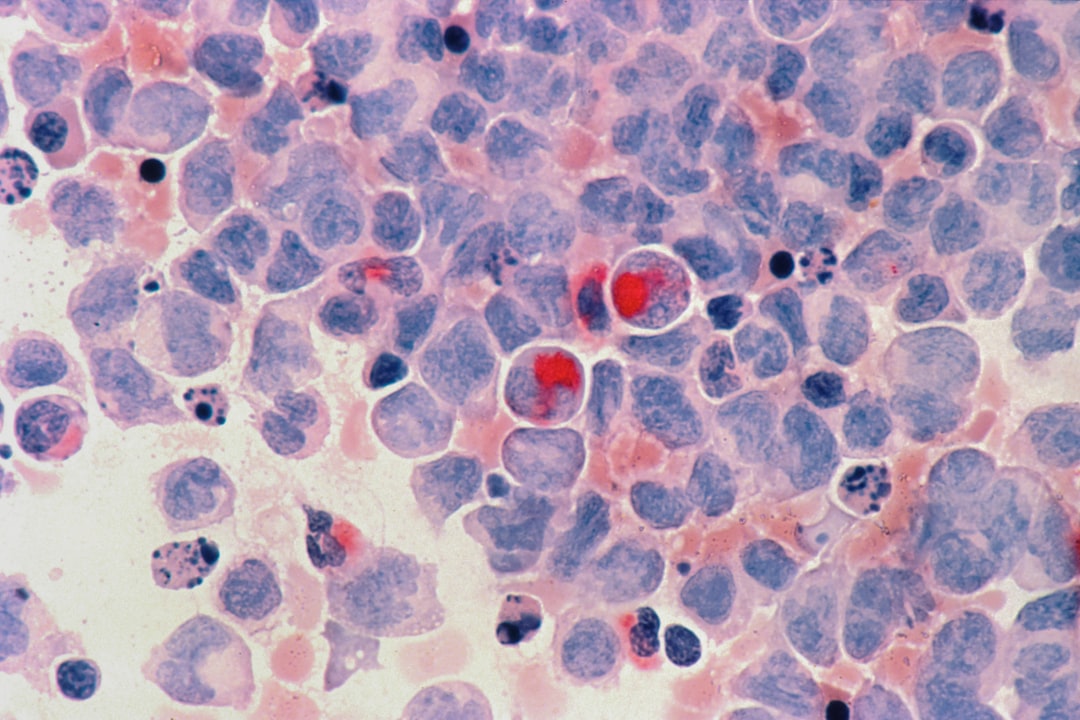
- Smaller cancer cells are more aggressive than larger ones, contrary to traditional oncology assumptions.
- These smaller cells exhibit enhanced motility, resistance to therapy, and a higher likelihood of metastasizing.
- The discovery suggests that tumor size alone may not predict danger, and that smaller cells can pose a significant threat.
- Researchers found that smaller cancer cells display heightened metabolic flexibility and cytoskeletal adaptability.
- Early detection of high-risk cell populations and more precise therapeutic targeting could improve survival rates for cancer patients.
New research reveals that smaller cancer cells are significantly more aggressive than their larger counterparts, overturning a long-standing assumption in oncology that larger, rapidly dividing cells drive tumor progression. Published in a peer-reviewed study gaining traction in the scientific community, findings show that diminutive cancer cells within tumors exhibit enhanced motility, resistance to therapy, and a greater likelihood of metastasizing. This shift in understanding, observed across multiple cancer types including breast and lung carcinomas, suggests that tumor size alone may not predict danger. The discovery matters because it could lead to earlier detection of high-risk cell populations and more precise therapeutic targeting, potentially improving survival rates for millions affected by cancer worldwide.
Smaller Cells, Bigger Threat: The New Cancer Paradigm

Contrary to traditional models that equate larger tumor cells with greater malignancy, the new data demonstrate that smaller cancer cells—often overlooked in standard pathology assessments—are biologically primed for invasion and dissemination. These cells, measuring up to 50% smaller than typical tumor cells, display heightened metabolic flexibility and cytoskeletal adaptability, enabling them to squeeze through tight tissue barriers and enter the bloodstream. Researchers found that in lab models, these compact cells were up to five times more likely to establish secondary tumors in distant organs. Their compact size also correlates with reduced visibility under conventional imaging and histological techniques, which may explain why some patients experience unexpected relapses despite seemingly successful initial treatments. The findings suggest that current diagnostic protocols may need refinement to detect this stealthy subpopulation.
How We Got Here: Rethinking Tumor Heterogeneity

For decades, cancer research focused on rapidly dividing, large cells as the primary engines of tumor growth, leading to therapies designed to target fast replication. However, advances in single-cell sequencing and live-cell imaging have revealed that tumors are not uniform but highly heterogeneous ecosystems composed of diverse cell types. Over time, scientists began noticing that some of the most aggressive cancers contained a mix of cell sizes and states, with small, dormant-looking cells persisting after chemotherapy. These residual cells, once dismissed as inactive, are now understood to be in a high-plasticity state—capable of switching identities, evading immune detection, and regenerating tumors. This evolutionary perspective, supported by studies at institutions like the Broad Institute and Nature, underscores that cancer’s danger lies not just in bulk growth but in cellular diversity and adaptability.
The Scientists Behind the Discovery

The research was led by a multidisciplinary team from the University of California, San Diego, and the Salk Institute for Biological Studies, combining expertise in biophysics, oncology, and computational biology. Dr. Stephanie Fraley, whose lab specializes in cell migration and microenvironment mechanics, emphasized that the team’s focus on physical cell traits—rather than just genetic markers—was key to the breakthrough. “We started asking not just what mutations are present, but how cell size and shape influence behavior,” she explained in a recent interview. Supported by NIH grants and advanced microfluidic platforms, the team tracked individual cells in real time, revealing that smaller cells navigated complex matrices more efficiently. Their motivation stems from the clinical frustration of treating patients who relapse after remission—a phenomenon they now believe is driven by these elusive, compact cells.
Consequences for Patients and Treatment

The implications of this research are profound for both cancer diagnostics and therapy. If smaller cells are indeed the primary drivers of metastasis, then treatments that only shrink tumor volume may miss the most dangerous components. Current imaging techniques like CT and MRI lack the resolution to identify these tiny, motile cells, meaning patients could be misclassified as low-risk when they harbor high-potential threats. Pathologists may need to adopt new staining protocols or AI-assisted microscopy to detect size-based heterogeneity in biopsy samples. On the therapeutic front, drugs that target cellular plasticity or mechanical adaptability—rather than just DNA replication—could become crucial. Researchers are already exploring compounds that stiffen the cytoskeleton or block size-dependent migration pathways, potentially halting spread before it begins.
The Bigger Picture
This discovery fits into a broader shift in medicine: the move from treating cancer as a monolithic disease to understanding it as a dynamic, evolving system. Just as personalized genomics transformed oncology, biophysical profiling of tumor cells may become the next frontier. The findings also echo principles seen in ecology and evolution—where smaller, more adaptable organisms often survive environmental pressures better than larger, specialized ones. In cancer, survival of the smallest and most flexible may be the rule. Recognizing this challenges not only how we treat tumors but how we define malignancy itself.
What comes next is a push to validate these findings in human trials and integrate cell size metrics into clinical risk scoring. Researchers are calling for standardized definitions of \“small aggressive phenotypes\” and collaborations with imaging companies to enhance detection. As the field moves toward multimodal diagnostics, combining genetic, metabolic, and physical cell traits, the hope is to catch cancer not just when it grows—but when it prepares to spread.
Source: Earth