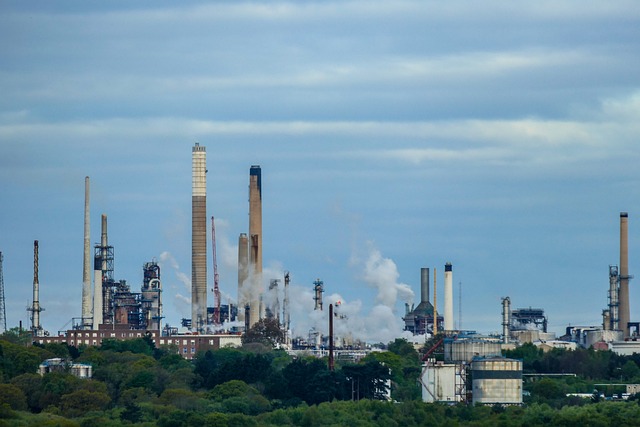
- Oil prices dropped 5% to $82 per barrel due to progress in U.S.-Iran nuclear talks, one of the largest single-day drops this year.
- A deal between the U.S. and Iran could lead to the lifting of U.S. sanctions on Iranian oil exports, adding 1 million barrels per day to global markets.
- The potential supply influx raises concerns about short-term oversupply, despite already balanced market conditions.
- Geopolitical developments continue to shape energy markets, despite long-term demand questions.
- Renewed investor focus on supply-side dynamics drove the sharp drop in oil prices, after months of tightness caused by OPEC+ production cuts.
Oil prices dropped sharply, with Brent crude falling over 5% to $82 per barrel, after reports emerged of significant progress in U.S.-Iran nuclear negotiations. The decline, recorded on May 27, 2026, marks one of the largest single-day drops in crude markets this year, driven by traders recalibrating expectations for global supply. If a deal is finalized, it could lead to the lifting of U.S. sanctions on Iranian oil exports, allowing Tehran to add up to 1 million barrels per day (bpd) back into global markets. This potential supply influx comes amid already balanced market conditions, raising concerns about short-term oversupply. The move underscores how geopolitical developments continue to shape energy markets, even as long-term demand questions loom.
Geopolitics Meets Energy Markets

The sharp drop in oil prices reflects renewed investor focus on supply-side dynamics after months of tightness caused by OPEC+ production cuts and post-pandemic demand recovery. While economic growth trends and central bank policies have dominated 2026’s macro outlook, geopolitical risks—particularly around the Middle East—remain a critical wildcard for energy markets. The U.S.-Iran talks, long stalled over enrichment limits and verification measures, now appear to be gaining momentum, according to officials briefed on the negotiations. A breakthrough would represent a rare diplomatic success in a region marked by instability, but it also introduces a tangible supply shock traders must price in. With inventories already building in key hubs like Cushing, Oklahoma, and China’s refiners running below capacity, even a modest increase in supply could pressure prices further in the near term.
Diplomatic Progress and Market Reaction

The current round of talks, facilitated by European intermediaries and held in Muscat, Oman, centers on a phased approach: Iran would limit uranium enrichment to 3.67% and allow International Atomic Energy Agency (IAEA) inspectors broader access in exchange for the gradual lifting of U.S. energy and financial sanctions. While no final agreement has been signed, both sides have signaled flexibility, with U.S. officials acknowledging ‘constructive discussions.’ Iran currently produces about 3.2 million bpd but exports roughly 1.3 million bpd under informal arrangements, primarily to China. Full sanctions relief could allow exports to rebound toward 2.3 million bpd within six to nine months, according to analyst estimates cited by Reuters. Traders reacted swiftly, with futures contracts on the ICE and NYMEX exchanges seeing heavy selling pressure as hedge funds adjusted short-term positioning.
Market Mechanics and Supply Outlook

The oil market’s sensitivity to the Iran talks highlights the fragile balance between supply and demand in 2026. Despite OPEC+ pledges to gradually restore output, compliance has been uneven, and non-OPEC producers like the U.S. have seen slowing growth due to capital discipline among shale firms. Meanwhile, global demand growth has moderated to 1.1 million bpd, down from 1.5 million bpd in 2025, according to the International Energy Agency (IEA). In this context, the addition of 800,000 to 1 million bpd from Iran would represent a 1% increase in global supply—a significant shift over a short period. Historical precedent supports this concern: after the 2015 Joint Comprehensive Plan of Action (JCPOA), Iranian oil exports surged from under 1 million bpd to over 2.5 million bpd within 18 months. While storage and logistics may delay a full rebound today, the mere prospect is enough to shift market sentiment.
Economic and Strategic Implications

A revival of Iranian oil exports would have wide-ranging effects. For energy-importing nations, particularly in Asia and Europe, lower crude prices could ease inflationary pressures and improve trade balances. India and South Korea, both historically reliant on Middle Eastern crude, may benefit from increased supply options and competitive pricing. Conversely, producers in the Gulf Cooperation Council (GCC) could face margin compression if OPEC+ does not adjust quotas. Saudi Arabia and the UAE have already signaled willingness to maintain output discipline, but internal disagreements within the cartel could resurface. For Iran, resumed exports would provide critical fiscal relief—the government estimates that every $10 per barrel increase in oil revenue adds $8 billion to state coffers annually. However, any deal would likely include restrictions on the use of oil revenues, a point of contention in prior negotiations.
Expert Perspectives
Analysts are divided on the durability of the price drop. Some, like Dr. Emily Zhao at the Oxford Institute for Energy Studies, argue that ‘the market is overreacting—the deal isn’t done, and even if it is, ramp-up will be gradual.’ Others, such as energy strategist Rajiv Mehta at BNP Paribas, warn that ‘the psychological impact of a diplomatic breakthrough could trigger further selling, especially if U.S. inventories rise next week.’ Geopolitical risk consultants also note that hardliners in Tehran and Washington could still derail the process, making any price move premature. The consensus, however, is that the window for a deal is narrowing, and markets are pricing in a 60-70% probability of success within the next 60 days.
Looking ahead, traders will monitor official statements from the U.S. State Department and Iran’s Foreign Ministry for confirmation of progress. The next key data point will be the U.S. Energy Information Administration’s (EIA) weekly inventory report, which could confirm whether current price action reflects fundamental shifts or speculative positioning. If the deal advances, attention will shift to shipping patterns—specifically, whether Iranian tankers begin registering movements through the Strait of Hormuz. Until then, volatility is likely to persist, with oil prices remaining sensitive to headlines. The coming weeks may determine not only the fate of the nuclear agreement but also the trajectory of global energy markets through the remainder of 2026.
Source: Reddit