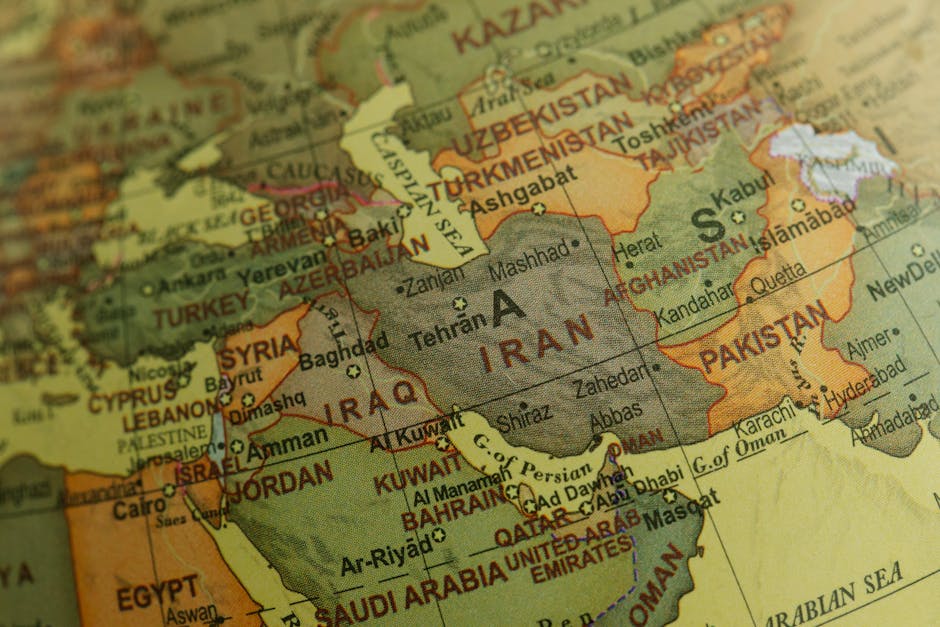
- Escalating US-Iran tensions could disrupt global energy markets and trigger a negative growth shock.
- JPMorgan warns that a potential second Trump administration could reignite aggressive foreign policy measures toward Iran.
- The stability of the post-pandemic recovery is under threat from growing geopolitical risk.
- A 30% spike in crude oil prices could reduce US GDP growth by 0.8 to 1.2 percentage points within six quarters.
- Geopolitical instability is now a core component of economic modeling, threatening macroeconomic forecasting.
The U.S. economy’s fragile balance between low unemployment, controlled inflation, and steady growth—dubbed the ‘goldilocks scenario’—is under threat from escalating geopolitical tensions with Iran, JPMorgan Chase analysts warned in a May 2026 report. A potential second Donald Trump administration could reignite aggressive foreign policy measures toward Tehran, including military action, disrupting global energy markets and triggering a negative growth shock. With oil prices already volatile and inflation pressures lingering, such a scenario would force the Federal Reserve into a difficult policy bind, risking either recession or runaway prices. This shift marks a pivotal moment: geopolitical risk is no longer a peripheral concern but a central driver of macroeconomic forecasting, threatening to upend the stability that has defined the post-pandemic recovery.
Geopolitical Risk Meets Macroeconomic Forecasting

JPMorgan’s analysis highlights a growing consensus among top financial institutions that geopolitical instability is now a core component of economic modeling. The bank’s models suggest that a significant escalation in U.S.-Iran tensions could push oil prices above $120 per barrel, a level not seen since 2022 during the peak of post-pandemic demand and the Ukraine war supply shock. A 30% spike in crude prices, the report estimates, would reduce U.S. GDP growth by 0.8 to 1.2 percentage points within six quarters. Historical precedents support this warning: the 1973 oil embargo led to a 2.5% contraction in real GDP, while the 1990 Gulf War contributed to a mild recession amid oil price jumps. Today’s economy, despite stronger fundamentals, remains vulnerable due to elevated debt levels, supply chain fragilities, and a Federal Reserve still navigating inflation targets. JPMorgan emphasizes that even a contained military strike on Iranian nuclear facilities could trigger market panic, spiking volatility in equities, bonds, and currency markets, further tightening financial conditions.
Key Players and Their Economic Agendas

The central figures in this unfolding risk scenario are former President Donald Trump, Federal Reserve Chair Jerome Powell, and Iranian leadership under Supreme Leader Ayatollah Ali Khamenei. Trump’s 2024 and 2025 rhetoric has consistently emphasized a hardline stance on Iran, including threats of ‘overwhelming retaliation’ for any attack on U.S. interests—a shift from the Biden administration’s diplomatic engagement. His advisors, including Mike Waltz and John Bolton, have advocated for preemptive strikes, raising market anxiety. Meanwhile, the Federal Reserve, still cautious after years of inflation battles, faces a dilemma: respond to slowing growth with rate cuts or maintain restrictive policy to curb energy-driven inflation. On the other side, Iran’s regional proxies in Yemen, Syria, and Iraq have increased attacks on U.S. bases, escalating tit-for-tat dynamics. JPMorgan notes that investor sentiment is increasingly sensitive to campaign speeches and Pentagon deployments, with defense stocks rising and tech valuations cooling in response to geopolitical alerts.
Trade-Offs: Security vs. Stability, Inflation vs. Growth

The emerging trade-offs are stark: a more aggressive posture toward Iran may serve short-term deterrence goals but carries long-term economic costs. Higher defense spending could stimulate certain sectors, but energy price shocks disproportionately hurt consumers and small businesses, the backbone of U.S. domestic demand. JPMorgan warns that a $100+ oil environment would reverse recent gains in real disposable income, eroding consumer confidence and spending—which accounts for nearly 70% of GDP. Additionally, financial markets may demand higher risk premiums on U.S. debt if war fears persist, potentially raising borrowing costs across the economy. On the flip side, failing to respond to Iranian provocations could undermine U.S. credibility, inviting further challenges and long-term strategic instability. The bank concludes that neither inaction nor military escalation offers a clean path, underscoring the need for diplomatic off-ramps and strategic clarity to avoid an avoidable economic downturn.
Why Now? The Timing of the Warning

JPMorgan’s alert comes at a critical juncture: the 2026 U.S. presidential election cycle is intensifying, with Trump leading in key polls and amplifying hawkish foreign policy rhetoric. Simultaneously, Iran has enriched uranium to near-weapons grade, and recent attacks on commercial shipping in the Strait of Hormuz have raised red flags among intelligence agencies. These developments, combined with a Federal Reserve still holding rates at 4.5%–4.75%, leave little room for monetary maneuvering. Unlike in the 1980s or early 2000s, when the Fed had ample rate-cutting space, today’s policy constraints amplify the risk of a ‘stagflation-lite’ scenario—slowing growth with persistent inflation. The timing of the report reflects growing unease among institutional investors who are rebalancing portfolios toward gold, defense contractors, and inflation-protected securities, signaling a structural shift in risk assessment.
Where We Go From Here
Over the next 12 months, three scenarios could unfold. In the first, a diplomatic breakthrough—possibly brokered by European or Gulf states—de-escalates tensions, allowing the Fed to gradually ease policy and sustain mild growth. Second, a limited military clash triggers a short-term market shock, but containment prevents prolonged conflict, leading to a ‘V-shaped’ recovery after a brief dip in Q4 2026. Third, and most concerning, a sustained conflict disrupts global oil flows, pushing inflation above 5% and forcing the Fed into a recessionary tightening cycle, resulting in negative GDP growth by mid-2027. JPMorgan assigns a 35% probability to this worst-case outcome—a significant increase from just 10% a year ago. Investors, businesses, and policymakers must now prepare for volatility not from routine economic cycles, but from the unpredictable intersection of politics, war, and markets.
Bottom line — While the U.S. economy has weathered numerous shocks, the convergence of election-driven foreign policy, fragile inflation control, and Middle East instability creates a uniquely dangerous moment that could end the goldilocks era and usher in a period of stagflationary pressure or outright contraction.
Source: Benzinga