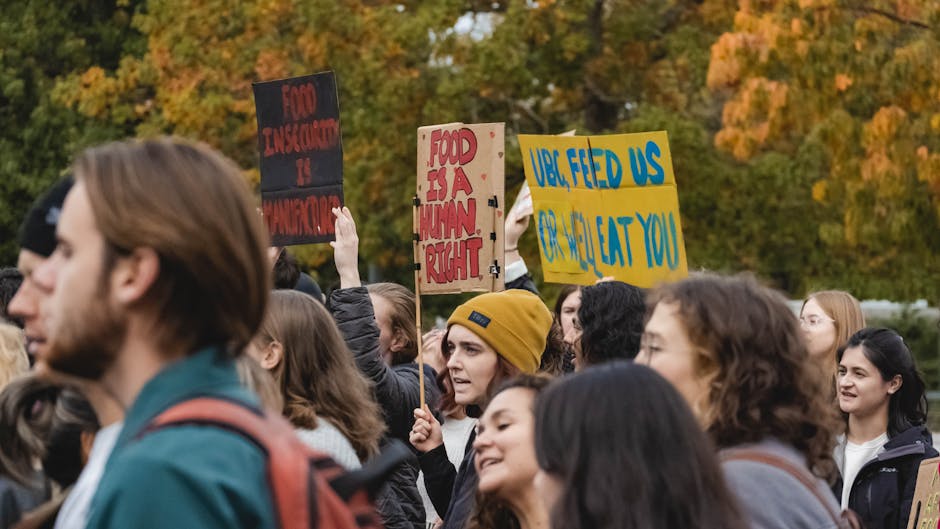
- US college graduates are increasingly expressing discontent with commencement speakers who enthusiastically endorse AI.
- The growing backlash against pro-AI speakers highlights the need for a more nuanced discussion about AI’s impact on the job market.
- Industry leaders’ optimism about AI’s transformative power is at odds with the anxieties of the incoming workforce.
- Students are booing or disapproving of pro-AI speakers at several institutions, signaling a growing rift between optimism and anxiety.
- The trend suggests that graduates perceive AI as a significant threat to job security and career advancement.
US college graduates are increasingly voicing their discontent with commencement speakers who enthusiastically endorse the potential of artificial intelligence, as fears over the technology’s impact on their career prospects continue to mount. This spring, students at several institutions booed or otherwise expressed disapproval of speakers who highlighted AI’s transformative power, signaling a growing rift between the optimism of industry leaders and the anxieties of the incoming workforce. The backlash underscores the pressing need for a more nuanced discussion about the role of AI in the job market and its implications for recent graduates.
Evidence of a Growing Backlash

Hard data on the prevalence of anti-AI sentiment among graduates is scarce, but anecdotal evidence suggests that the phenomenon is more than just an isolated incident. According to reports from The Guardian, students at Middle Tennessee State University, among others, have openly expressed their discontent with pro-AI commencement speeches. The fact that these incidents are occurring at multiple institutions across the US hints at a broader trend, one that is likely driven by the growing perception that AI poses a significant threat to job security and career advancement.
Key Players and Their Roles

The individuals at the center of this controversy are not only the commencement speakers themselves but also the students who are pushing back against their message. Figures like Jacob Pagel, a recent graduate from Middle Tennessee State University, have come to represent the frustrations and anxieties of their peers. On the other side are industry leaders and speakers who, despite acknowledging the challenges posed by AI, continue to emphasize its potential for growth and innovation. The interplay between these groups highlights the complex and often conflicting perspectives on the impact of AI, with students seeking reassurance about their future employability and speakers focusing on the technology’s transformative potential.
Trade-Offs and Consequences

The debate over AI’s role in the job market is fraught with trade-offs, from the potential for increased efficiency and productivity to the very real risks of job displacement and career stagnation. While proponents of AI argue that it will create new opportunities and augment existing roles, skeptics point to the uncertain future of work and the need for immediate action to mitigate the negative consequences of automation. The costs and benefits of embracing AI are thus deeply intertwined, making it essential to consider both the short-term and long-term implications of this technology for the workforce.
Timing and Catalysts

The timing of this backlash is significant, occurring at a moment when the conversation about AI’s impact on employment is reaching a critical juncture. The past decade has seen unprecedented advances in AI capabilities, coupled with a growing awareness of its potential effects on the job market. As graduates enter a landscape where AI is increasingly prevalent, their concerns about career prospects are being amplified, leading to a surge in discontent with the optimistic narratives presented by industry leaders. The fact that these sentiments are being expressed publicly, during commencement ceremonies, underscores the urgency and immediacy of the issue.
Where We Go From Here
Looking ahead to the next 6-12 months, several scenarios could unfold. One possibility is that the backlash against pro-AI speakers will continue to grow, potentially leading to a reevaluation of the messages being conveyed during commencement addresses. Another scenario involves a more concerted effort from educators and industry leaders to address the concerns of graduates, through initiatives aimed at upskilling and reskilling the workforce. A third, more ominous possibility is that the disconnect between the optimism of AI enthusiasts and the anxieties of recent graduates will continue to widen, exacerbating social and economic tensions. Regardless of the outcome, it is clear that the conversation about AI and its impact on the job market must become more inclusive and responsive to the fears and aspirations of the incoming workforce.
In conclusion, the booing of pro-AI commencement speakers by US graduates is a symptom of a deeper unease about the future of work and the role of technology in shaping career prospects. As the debate over AI’s benefits and drawbacks continues to evolve, it is essential to prioritize the concerns and needs of recent graduates, ensuring that their voices are heard and their futures are secured.
Source: The Guardian