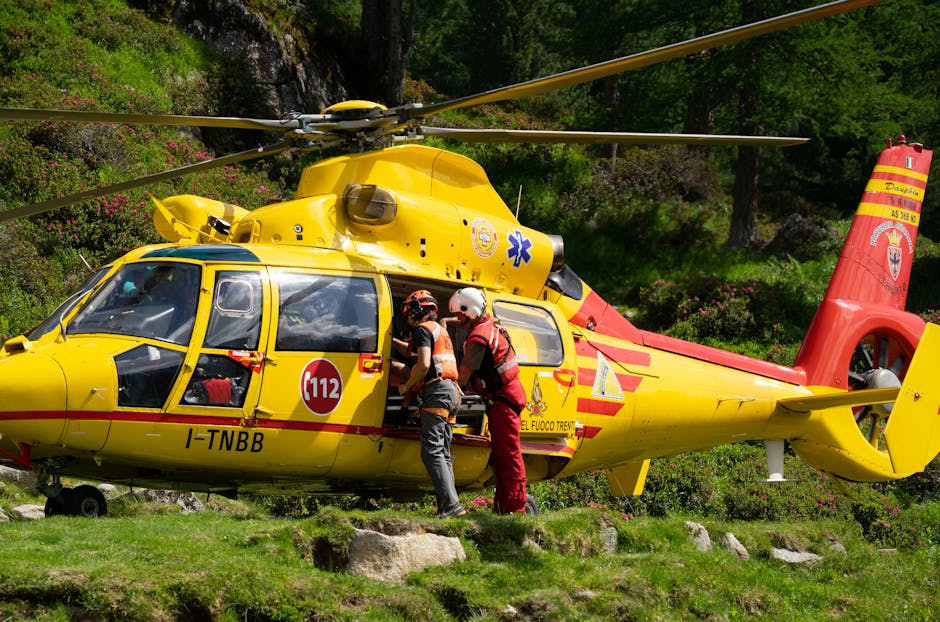
- Warm weather increases the risk of hiking accidents in remote areas due to overcrowding and inadequate safety gear.
- Hikers often underestimate the risks of hiking in remote areas, leading to preventable emergencies and costly rescues.
- Proper safety gear, planning, and awareness of potential hazards are crucial for a safe hiking experience.
- A combination of factors, including poor weather, inadequate gear, and lack of experience, can contribute to wilderness emergencies.
- Preparedness is key to preventing and responding to wilderness emergencies, emphasizing the need for proper equipment and planning.
As warmer weather arrives in the United States, outdoor enthusiasts are flocking to America’s parks and forests, but many are unprepared for the risks of hiking in remote areas. A recent string of rescues in New Hampshire’s White Mountains, including seven hikers rescued and one found dead, highlights the importance of carrying proper safety gear. The rise in wilderness emergencies underscores the need for hikers to reassess their safety protocols and equipment.
Hiking Safety Risks on the Rise

The influx of visitors to remote trails during warmer months increases the likelihood of accidents and emergencies. Inadequate safety gear and a lack of preparation can exacerbate these situations, leading to complex and expensive search-and-rescue operations. Experts warn that hikers often underestimate the risks associated with hiking in remote areas, emphasizing the need for proper equipment, planning, and awareness of potential hazards. According to the Centers for Disease Control and Prevention, preparedness is key to preventing and responding to wilderness emergencies.
Key Factors in Recent Rescues

The recent rescues in New Hampshire’s White Mountains were likely the result of a combination of factors, including inadequate safety gear, poor weather conditions, and a lack of experience. In one incident, a solo hiker failed to return from a backpacking trip, prompting a search-and-rescue operation that ultimately ended in tragedy. Experts note that carrying proper safety gear, such as a first aid kit, navigation tools, and emergency shelter, can significantly improve a hiker’s chances of survival in the event of an emergency. The National Park Service recommends that hikers check the weather forecast and trail conditions before embarking on a trip.
Analysis of Hiking Safety Trends

Data on wilderness emergencies suggests that the number of incidents is increasing, with many cases attributed to inadequate safety gear and a lack of preparation. Experts analyze the causes of these trends, citing factors such as increased accessibility of remote areas, a rise in popularity of outdoor activities, and a lack of awareness about potential hazards. Furthermore, the consequences of inadequate safety gear can be severe, resulting in costly search-and-rescue operations, injuries, and even fatalities. Experts emphasize the importance of education and awareness in preventing wilderness emergencies, recommending that hikers consult reputable sources, such as the World Health Organization, for guidance on safe hiking practices.
Implications for Hikers and Emergency Responders

The implications of inadequate safety gear are far-reaching, affecting not only hikers but also emergency responders and the environment. Inadequate safety gear can lead to prolonged and complex search-and-rescue operations, putting responders at risk and incurring significant costs. Moreover, the environmental impact of increased traffic in remote areas can be substantial, highlighting the need for sustainable and responsible hiking practices. As the popularity of outdoor activities continues to grow, it is essential that hikers prioritize safety and take steps to minimize their risk of encountering emergencies.
Expert Perspectives
Experts in the field of wilderness medicine and search-and-rescue operations offer contrasting viewpoints on the best approaches to hiking safety. Some emphasize the importance of mandatory safety gear and regulations, while others advocate for education and awareness campaigns to promote responsible hiking practices. According to Dr. David Johnson, a wilderness medicine expert, “Education and awareness are key to preventing wilderness emergencies. Hikers need to understand the risks associated with hiking in remote areas and take steps to mitigate those risks.”
Looking ahead, hikers and outdoor enthusiasts should be aware of the potential risks associated with hiking in remote areas and take steps to prepare themselves. This includes carrying proper safety gear, checking the weather forecast and trail conditions, and staying informed about potential hazards. As the summer months approach, it is essential that hikers prioritize safety and take a proactive approach to preventing wilderness emergencies. The Associated Press reports that many national parks are increasing their safety measures and educational programs to reduce the number of wilderness emergencies.
Source: MedicalXpress