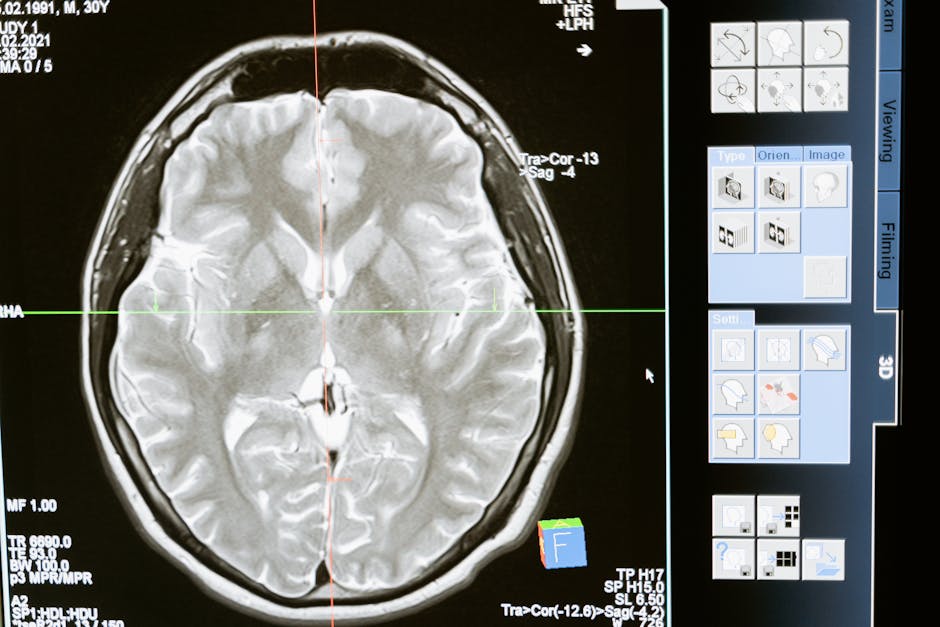
- Recent research suggests that Parkinson’s symptoms arise from disruptions in distinct motor circuits of the brain.
- Current treatments may not work equally well for all patients due to differing underlying mechanisms.
- A personalized approach to treating Parkinson’s may be necessary to effectively manage symptoms.
- New research from Carnegie Mellon University provides valuable insights into the neural circuits controlling movement.
- Parkinson’s symptoms can vary significantly from person to person due to differing brain circuit disruptions.
Parkinson’s disease, a neurodegenerative disorder affecting over 1.1 million people in the United States, is often treated as a single entity, but its symptoms can vary significantly from one person to another. Recent research from Carnegie Mellon University’s Aryn Gittis and colleagues has made a significant breakthrough, suggesting that the most recognizable symptoms of Parkinson’s, such as tremor and slowed movement, result from disruptions in different motor circuits of the brain. This discovery could help explain why current treatments do not work equally well for all patients, and why a more personalized approach may be necessary.
Current Understanding of Parkinson’s Symptoms

The symptoms of Parkinson’s disease are well-documented, but the underlying mechanisms that cause them are not yet fully understood. Tremor, slowed movement, and rigidity are some of the most common symptoms, but they can vary in severity and impact from person to person. The new research from Carnegie Mellon University provides valuable insights into the neural circuits that control movement, and how disruptions to these circuits can lead to the characteristic symptoms of Parkinson’s. By studying the brain activity of individuals with Parkinson’s, the researchers were able to identify distinct patterns of brain activity associated with different symptoms.
The Story Behind the Research

The research team, led by Aryn Gittis, used advanced brain imaging techniques to study the neural circuits responsible for movement in individuals with Parkinson’s disease. By analyzing the brain activity of people with Parkinson’s, the researchers were able to identify specific patterns of brain activity that were associated with different symptoms. This research builds on previous studies that have shown that Parkinson’s disease is a complex disorder, involving multiple neural systems and pathways. The new findings provide a significant step forward in our understanding of the disease, and could lead to the development of more targeted and effective treatments.
Key Players in Parkinson’s Research

Aryn Gittis and her colleagues are part of a growing community of researchers dedicated to understanding the complexities of Parkinson’s disease. Their work is driven by a desire to improve the lives of people living with the disease, and to develop more effective treatments. The researchers are motivated by the knowledge that Parkinson’s disease is a significant public health burden, and that new insights into the disease are urgently needed. By working together with clinicians, patients, and other researchers, the team hopes to make a meaningful contribution to the fight against Parkinson’s.
Consequences of the Research

The discovery that distinct brain circuits are responsible for different symptoms of Parkinson’s disease has significant implications for the development of new treatments. Current treatments for Parkinson’s often focus on alleviating a single symptom, such as tremor or slowed movement. However, the new research suggests that a more personalized approach may be necessary, one that takes into account the unique brain activity patterns of each individual. This could involve the use of advanced brain imaging techniques to identify the specific neural circuits affected in each person, and the development of targeted therapies to address these disruptions.
The Bigger Picture
The research on Parkinson’s disease has broader implications for our understanding of the brain and its many complexities. The discovery that distinct brain circuits are responsible for different symptoms of Parkinson’s highlights the intricate and highly specialized nature of the brain’s neural systems. This research also underscores the importance of continued investment in neuroscience and neurodegenerative disease research, as we work to develop new treatments and therapies for a range of devastating diseases. For more information on Parkinson’s disease, visit the CDC website or the WHO website.
In conclusion, the research from Carnegie Mellon University provides a significant step forward in our understanding of Parkinson’s disease, and highlights the need for a more personalized approach to treatment. As we continue to learn more about the complexities of the brain and its many disorders, we may uncover new insights into the causes of Parkinson’s and other neurodegenerative diseases. For now, the discovery that distinct brain circuits are responsible for different symptoms of Parkinson’s offers a glimmer of hope for the millions of people living with this devastating disease, and underscores the importance of continued research and investment in this critical area.
Source: MedicalXpress