- OpenAI’s home camera initiative collects data on everyday activities to improve its AI models, sparking concerns about privacy and surveillance.
- The cameras record high-quality video and audio, providing a vast amount of data on human behavior and daily activities.
- The initiative has raised questions about data collection methods and the need for transparency and regulation.
- OpenAI claims the data will be used to improve its AI models, but many worry about potential risks and misuse.
- The use of 360-degree cameras raises concerns about personal data collection and potential uses, such as targeted advertising and surveillance.
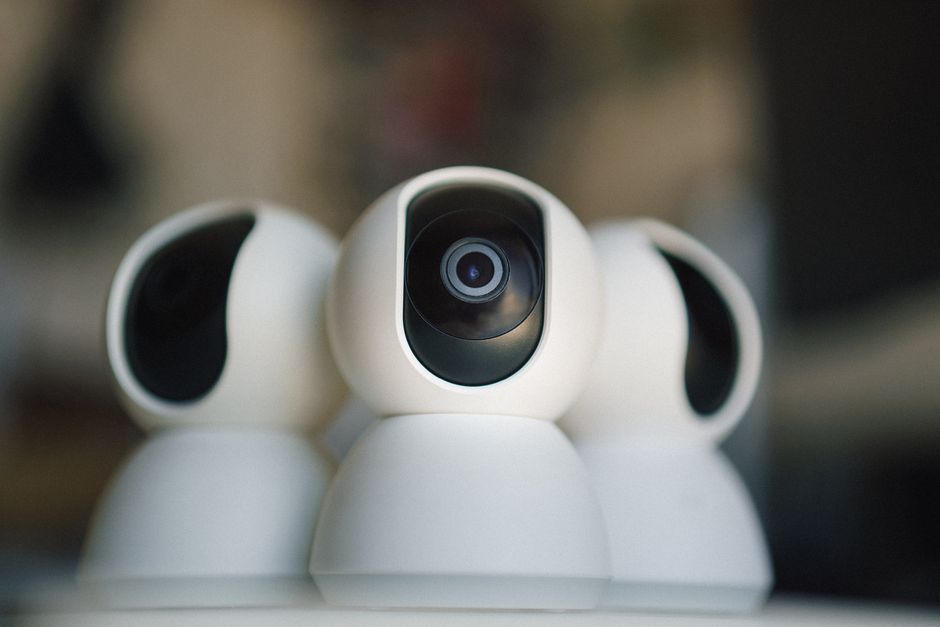
OpenAI, a leading artificial intelligence research organization, has launched an initiative in New York City where residents are being paid to install 360-degree cameras in their homes. These cameras record everyday activities, such as vacuuming, washing dishes, and cooking, as part of OpenAI’s effort to collect data for its AI models. This move has sparked concerns about privacy and surveillance, with many questioning the implications of such a program on individuals’ personal lives.
Data Collection and Privacy Implications

According to reports, the cameras are capable of capturing high-quality video and audio, providing OpenAI with a vast amount of data on human behavior and daily activities. While OpenAI claims that the data will be used to improve its AI models, many are worried about the potential risks of such a program. For instance, The New York Times has reported on similar initiatives in the past, highlighting the need for transparency and regulation in data collection. With the use of 360-degree cameras, OpenAI is likely to collect a significant amount of personal data, which could be used for various purposes, including targeted advertising and surveillance.
Key Players and Their Roles

OpenAI is the primary organization behind this initiative, with its researchers and engineers working to develop and implement the camera installation program. The company has partnered with various individuals and organizations in NYC to recruit participants and install the cameras. Additionally, Reuters has reported on the involvement of other tech companies in similar data collection initiatives, highlighting the growing trend of AI-powered surveillance. As the program continues to expand, it is likely that other organizations and individuals will become involved, further blurring the lines between public and private spaces.
Trade-Offs and Risks

The installation of 360-degree cameras in homes raises significant concerns about privacy and surveillance. While participants may receive payment for their involvement, they may also be surrendering their right to privacy and potentially exposing themselves to risks such as identity theft and harassment. Furthermore, the use of such cameras could have unintended consequences, such as reinforcing existing social biases and stereotypes. As BBC has reported, the development and deployment of AI-powered surveillance systems must be carefully considered to avoid perpetuating harmful biases and discriminations.
Timing and Context

The launch of this initiative comes at a time when concerns about privacy and surveillance are increasingly prominent. With the rise of smart home devices and AI-powered technologies, many are questioning the implications of such systems on personal freedom and autonomy. The COVID-19 pandemic has also accelerated the adoption of remote work and virtual interactions, further blurring the lines between public and private spaces. As a result, initiatives like OpenAI’s camera installation program are likely to face intense scrutiny and debate in the coming months.
Where We Go From Here
As the program continues to expand, there are several possible scenarios that could unfold. Firstly, the initiative could lead to significant advancements in AI research, enabling the development of more sophisticated and human-like AI models. Secondly, the program could spark a wider debate about privacy and surveillance, leading to increased regulation and oversight of AI-powered data collection. Finally, the initiative could ultimately be shut down due to concerns about privacy and surveillance, highlighting the need for more transparent and accountable data collection practices. Ultimately, the outcome will depend on the actions of OpenAI, regulatory bodies, and the public at large.
In conclusion, OpenAI’s decision to install 360-degree cameras in NYC homes raises important questions about privacy, surveillance, and the ethics of AI research. As the program continues to evolve, it is essential to consider the potential risks and benefits, as well as the broader implications for society and individual freedom.
Source: I