- The Strait of Hormuz has been reopened after a three-month blockade, allowing 1,500 ships to resume navigation.
- Approximately 30% of globally traded oil passes through the Strait of Hormuz, making its reopening crucial for energy markets.
- Restarting flow through the strait will impact global supply chains, fuel prices, and geopolitical stability in the coming weeks.
- Maritime authorities will prioritize tankers carrying crude and liquefied natural gas for safe passage through the strait.
- The International Maritime Organization (IMO) has deployed traffic coordination teams to manage the maritime backlog.
Iran has agreed to reopen the Strait of Hormuz following a three-month blockade that stranded approximately 1,500 commercial vessels and disrupted nearly 30% of globally traded oil. The deal, brokered by international mediators in Muscat, allows maritime traffic to resume through the narrow waterway linking the Persian Gulf to the Gulf of Oman, a route responsible for transporting about 17 million barrels of oil per day. While the political agreement marks a de-escalation of regional tensions, the practical challenge of managing the world’s largest maritime backlog looms. Restarting flow through the strait matters not just for energy markets but for global supply chains reliant on just-in-time shipping, with delays likely to affect fuel prices, consumer goods and geopolitical stability in the coming weeks.
Clearing a Maritime Traffic Jam

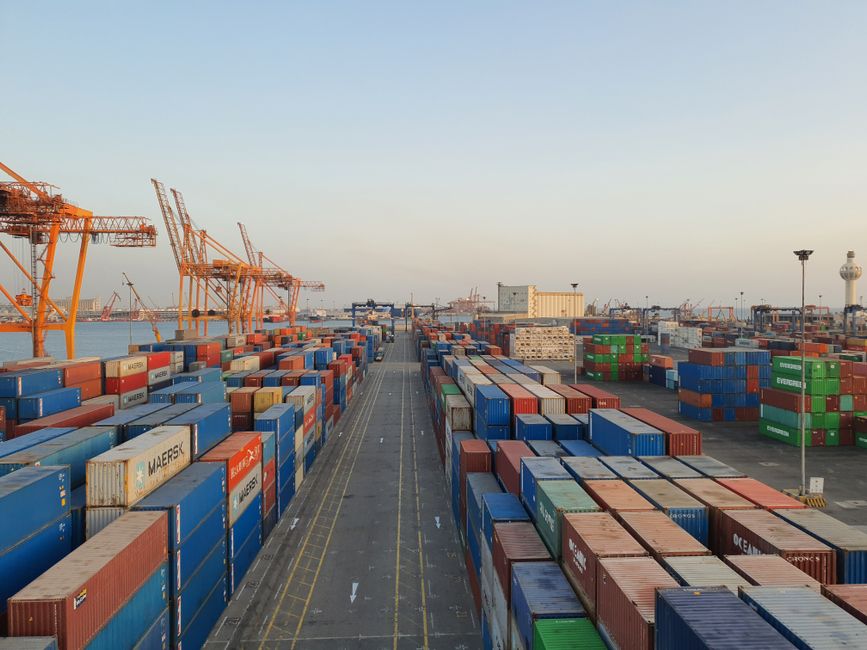
With the Strait of Hormuz officially reopened, maritime authorities face the daunting task of coordinating the safe passage of 1,500 vessels that have accumulated in holding zones off Fujairah, Dubai, and Muscat. The International Maritime Organization (IMO) has deployed traffic coordination teams to prioritize tankers carrying crude and liquefied natural gas, given their strategic importance to global energy markets. Vessels will be processed in waves based on cargo type, draft depth, and destination, with strict speed and spacing rules to prevent collisions in the narrow 21-nautical-mile-wide channel. Even under optimal conditions, experts estimate it will take between 10 and 14 days to clear the backlog. Port congestion in India, China, and Europe is expected to worsen as delayed shipments arrive en masse, potentially triggering secondary disruptions in manufacturing and retail sectors.
The Road to Crisis

The closure began in late February 2026, when Iran’s Islamic Revolutionary Guard Corps (IRGC) began detaining foreign-flagged tankers in the Persian Gulf, citing alleged violations of maritime law and unpaid debts. The moves escalated after a drone attack on an Iranian oil facility, which Tehran blamed on Israel and the United States. By early March, Iran had effectively weaponized its geographic leverage, halting all transit through the strait—a move not seen since the 1980s Tanker War. The blockade triggered a rapid spike in oil prices, with Brent crude surging above $130 per barrel. U.S. and European navies deployed additional warships to the region, raising fears of direct military confrontation. Diplomatic efforts led by Oman and the United Nations intensified over the following weeks, culminating in a face-to-face meeting between Iranian and Gulf Cooperation Council envoys in April. The resulting agreement included mutual de-escalation pledges, the release of detained crews, and a joint monitoring mechanism to oversee renewed shipping.
Actors Behind the Standoff

The blockade was orchestrated by hardliners within Iran’s IRGC, who view control over the strait as both a strategic deterrent and a political bargaining chip. For Iran’s leadership, the crisis offered leverage amid stalled negotiations over nuclear sanctions relief and regional influence. Meanwhile, shipping companies and oil majors, including BP, Saudi Aramco, and Trafigura, lobbied aggressively behind the scenes for resolution, fearing long-term rerouting costs and insurance spikes. Oman played a critical mediating role, leveraging its longstanding neutrality and geographic proximity. U.S. officials, while publicly supporting naval deterrence, quietly encouraged diplomatic channels to avoid escalation. The reopening reflects a fragile compromise: Iran achieves recognition of its maritime concerns without formal concessions, while Gulf states and Western powers secure the restoration of vital energy flows.
Global Ripple Effects

Even with the strait reopened, the economic consequences will persist. Insurance premiums for vessels transiting the region remain elevated, and some shipping firms are evaluating permanent reroutes via the Cape of Good Hope—a journey that adds 10 to 14 days and millions in fuel costs. Energy markets, while stabilizing, face uncertainty as inventories in Asia tighten. India and South Korea, major oil importers from the Gulf, have tapped emergency reserves to offset shortfalls. The crisis has also accelerated discussions among European and Asian nations about diversifying energy sources and enhancing maritime surveillance. For ordinary consumers, delayed shipments of electronics, auto parts, and household goods could lead to temporary shortages and price increases in the summer months.
The Bigger Picture
This episode underscores how geopolitical flashpoints can rapidly destabilize globalized trade networks. The Strait of Hormuz handles more oil than any other maritime chokepoint, making it a perennial vulnerability. Past disruptions during the Iran-Iraq War and 2019 tanker attacks revealed similar risks, but the 2026 blockade was unprecedented in duration and coordination. As climate change, cyber threats, and regional conflicts multiply, critical infrastructure like shipping lanes demands greater multilateral oversight. The crisis also highlights the diminishing margin for error in just-in-time logistics models that dominate global commerce.
Looking ahead, the success of the Hormuz agreement will depend on sustained monitoring and trust-building among regional actors. Any recurrence of harassment or sabotage could trigger another shutdown, with even faster economic fallout. Shipping authorities will now likely develop contingency routing plans and emergency coordination protocols. The world dodged a full-scale energy crisis this time—but the narrow waters of the Persian Gulf remain a powder keg beneath the surface of global stability. Ongoing diplomatic engagement will be essential to prevent future chokepoints from becoming breaking points.
Source: The New York Times