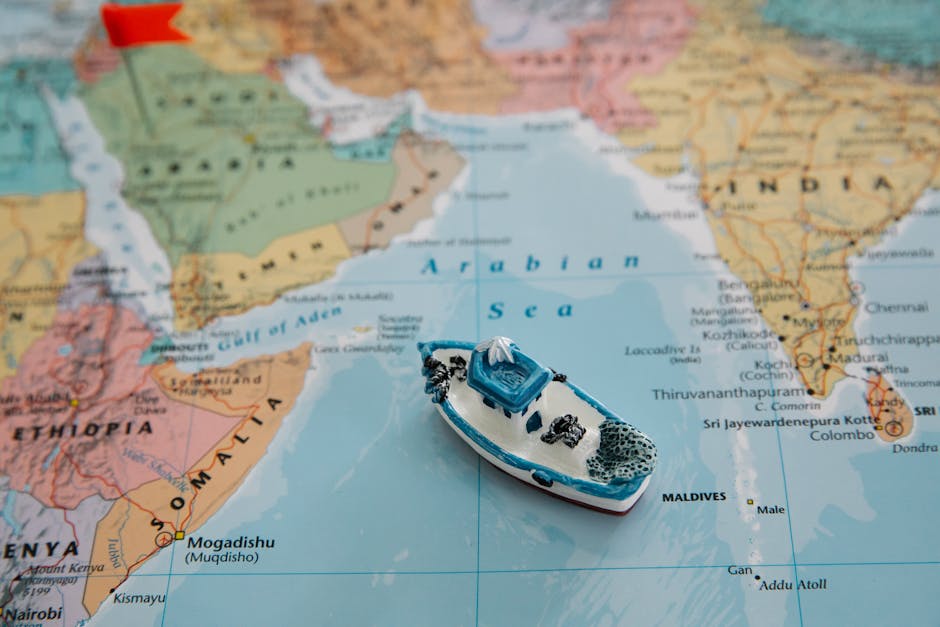
- Iran and Oman are negotiating a new payment system for vessels passing through the Strait of Hormuz, a critical chokepoint for global oil supplies.
- The proposed bilateral mechanism aims to enhance economic sovereignty and reduce vulnerability to Western sanctions.
- Iran and Oman are considering a framework that would allow commercial vessels to pay transit-related fees in local currencies or through a regional clearinghouse.
- The new payment system could signal a broader shift away from Western-dominated financial infrastructure.
- The Strait of Hormuz is a critical waterway, with nearly 20% of the world’s petroleum flowing through it.
Is the global shipping order beginning to fracture under the weight of geopolitical pressure? As Iran and Oman quietly negotiate a new payment system for vessels passing through the Strait of Hormuz, a critical chokepoint for global oil supplies, analysts are warning that the move could signal a broader shift away from Western-dominated financial infrastructure. With nearly 20% of the world’s petroleum flowing through this narrow waterway, any attempt to reconfigure how transit fees are collected—and by whom—has far-reaching implications. These discussions come amid heightened U.S.-Iran tensions and delayed diplomatic efforts to de-escalate hostilities, raising concerns that regional powers are preparing for prolonged economic confrontation rather than peace.
What Is Iran and Oman Proposing for Hormuz Transit Payments?

Iran and Oman are exploring a bilateral payment mechanism that would allow commercial vessels to pay transit-related fees in local currencies or through a regional clearinghouse, bypassing the U.S. dollar and SWIFT-based banking systems. This proposed framework, still in early stages, aims to enhance economic sovereignty and reduce vulnerability to Western sanctions. While Oman has not officially confirmed the details, sources familiar with the talks suggest the system could resemble existing arrangements like INSTEX, the EU-backed trade channel designed to facilitate limited transactions with Iran despite sanctions. However, unlike INSTEX, the Gulf initiative would focus on maritime logistics and port services rather than humanitarian goods. The Strait of Hormuz, bordered by Iran to the north and Oman to the south, is patrolled loosely, with no formal toll system currently in place—making any new payment regime a significant policy innovation.
What Evidence Supports a Regional Financial Shift?

Recent financial and diplomatic moves indicate growing momentum for regional economic independence. Iran has long promoted de-dollarization, establishing currency swap agreements with countries like China and Russia. In 2023, Tehran announced it had settled 90% of its foreign trade in non-dollar currencies, according to the Central Bank of Iran. Meanwhile, Oman, traditionally a neutral Gulf mediator, has deepened defense and trade ties with Iran, including joint naval exercises and expanded port cooperation at Duqm and Chabahar. Analysts at the International Institute for Strategic Studies (IISS) note that such collaborations reflect a broader trend among Gulf states to diversify partnerships amid uncertainty over U.S. security commitments. As reported by Reuters, the two nations conducted a joint naval drill in the Strait in early 2023, underscoring their shared interest in controlling maritime governance. These developments suggest the payment talks are part of a larger strategy to assert regional autonomy.
What Are the Counterarguments to This Initiative?

Despite the apparent momentum, significant obstacles stand in the way of a functional Hormuz payment system. First, there is no international precedent for charging transit fees in a strait governed by the United Nations Convention on the Law of the Sea (UNCLOS), which guarantees free passage for commercial vessels. Imposing mandatory payments could be seen as a violation of maritime law and provoke legal challenges from shipping nations. Second, Oman has historically aligned with Gulf Cooperation Council (GCC) positions, which remain wary of Iranian influence. Muscat may be reluctant to fully endorse a mechanism that could be perceived as legitimizing Iranian control over a strategic waterway. Additionally, global shipping firms are likely to resist any system that increases compliance risks or operational complexity. As a senior analyst at the Middle East Institute noted, “Oman walks a fine line between engagement and containment when it comes to Iran—this proposal may serve more as a bargaining chip than a viable policy.”
What Would This Mean for Global Shipping and Security?

If implemented, even partially, the payment system could alter the calculus for global energy markets and naval strategy. Insurers might reassess risk premiums for vessels transiting the Strait, potentially increasing costs for oil and liquefied natural gas shipments. The U.S. Navy, which has long policed the waterway through the Fifth Fleet, could face diplomatic challenges if Iran and Oman frame the system as a sovereign arrangement. In 2019 and 2021, Iran seized several foreign-flagged tankers in the Gulf, citing alleged violations—raising fears that a new payment mechanism could be used to justify future detentions. Conversely, a successful, transparent system might offer a model for other contested regions seeking financial autonomy. For now, major shipping registries and oil exporters are monitoring the talks closely, aware that even a symbolic shift could erode confidence in the current maritime order.
What This Means For You
For global consumers and businesses, the stability of the Strait of Hormuz directly affects energy prices and supply chains. Any move toward a sanctioned or contested payment system could lead to market volatility, especially if it triggers naval standoffs or insurance spikes. While the proposal is not yet operational, its mere discussion reflects a deeper realignment in global trade networks—one where regional powers seek alternatives to Western-controlled financial systems. Staying informed about developments in Gulf diplomacy can help anticipate economic ripple effects, from fuel costs to inflation trends.
Could this payment initiative become a blueprint for other sanction-affected states seeking to bypass Western financial gatekeepers? And how might the United States and its allies respond if similar mechanisms emerge in other strategic waterways, such as the Malacca or Bab el-Mandeb straits? The answers could redefine the future of global trade governance.
Source: The New York Times