- Chinese medical practitioners used a potent neurotoxin called aconitine to manage surgical pain in the 14th century.
- This discovery predates the formal development of anaesthesia in Western medicine by over 500 years.
- Early Chinese physicians experimented with biochemical agents to enable complex procedures, despite extreme risks.
- Aconitine, extracted from monkshood or wolfsbane, was used to block sodium channels in nerve cells.
- The discovery highlights the sophistication of pre-modern Chinese medicine and the perilous balance between healing and toxicity.
In a tomb unearthed in Hebei province, China, archaeologists have found the earliest known evidence of surgical anaesthesia—residues of aconitine, a potent and deadly plant-derived neurotoxin, on medical instruments dating to the early 14th century. This discovery, tied to a physician from the late Yuan or early Ming dynasty, demonstrates that Chinese medical practitioners were attempting to manage surgical pain over 600 years ago, long before the formal development of anaesthesia in Western medicine during the 1840s. The finding reshapes our understanding of ancient medical innovation, revealing that early physicians in China were experimenting with powerful biochemical agents to enable complex procedures, despite the extreme risks involved. This breakthrough not only highlights the sophistication of pre-modern Chinese medicine but also underscores the perilous balance between healing and toxicity in early pharmacology.
Chemical Traces Rewrite Medical History

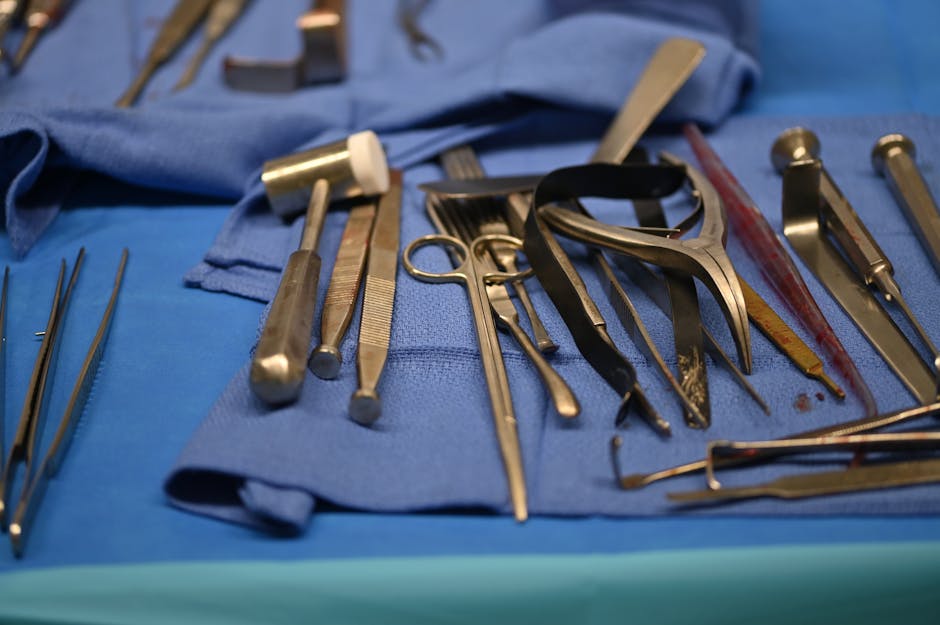
Analysis of metal surgical tools recovered from the tomb—including scalpels, needles, and probes—revealed microscopic residues containing aconitine, a compound extracted from the roots of Aconitum plants, commonly known as monkshood or wolfsbane. Aconitine works by blocking sodium channels in nerve cells, effectively numbing sensation, but it is also highly toxic, with a narrow therapeutic window that can easily lead to paralysis or cardiac arrest. The presence of this compound on instruments used in invasive procedures suggests intentional application as a local or regional painkiller. Radiocarbon dating places the tomb between 1300 and 1350 CE, making it the earliest known instance of anaesthetic use in a surgical context. This predates the first documented use of ether in surgery by American dentist William T.G. Morton in 1846 by more than five centuries. The discovery was made by a team from the Chinese Academy of Social Sciences, who collaborated with forensic chemists to isolate and identify the compounds using mass spectrometry and chromatography.
The Roots of Ancient Pain Management

While the use of mind-altering or pain-relieving substances dates back to prehistoric times—with evidence of opium use in Neolithic Europe and cannabis in ancient Central Asia—the application of targeted biochemical agents during surgery represents a significant leap in medical sophistication. Traditional Chinese medicine (TCM) has long documented the use of herbal formulations for analgesia and sedation. The Shennong Ben Cao Jing, a foundational pharmacopoeia from the 1st century CE, classifies aconite as a potent but dangerous remedy, noting its ability to ‘dispel cold and relieve pain’ while warning of its lethal potential. Historical texts, including those attributed to the legendary physician Hua Tuo from the 2nd century CE, describe the use of a herbal concoction called mafeisan to render patients unconscious during surgery. However, no physical evidence of such practices had been confirmed until now. The discovery in Hebei provides the first archaeological corroboration that these ancient prescriptions were not merely theoretical but were actively applied in clinical settings.
The Physician Behind the Instruments

The tomb is believed to belong to a high-ranking physician who served in a regional court during the transition from the Mongol-led Yuan dynasty to the Han Chinese-led Ming dynasty—a period of both political upheaval and cultural flourishing. Inscriptions on burial goods suggest the individual was trained in classical medical texts and held in high esteem, possibly serving as a royal or military doctor. The careful placement of surgical tools alongside medicinal jars and scrolls indicates that the deceased was buried with instruments he used in life, a practice reserved for skilled artisans and professionals. His willingness to experiment with toxic compounds like aconitine reflects both a deep understanding of herbal pharmacology and a commitment to alleviating patient suffering, even at great personal and professional risk. Unlike modern surgeons, who operate under standardized protocols and sterilization, this doctor relied on empirical knowledge passed down through generations, blending science, tradition, and intuition in a high-stakes medical environment.
Implications for Medical Archaeology and Ethics

This discovery challenges long-held assumptions that systematic anaesthesia began in the 19th century West, emphasizing that non-Western civilizations developed advanced medical techniques independently. It also raises ethical questions about risk and innovation in pre-modern medicine. Using a substance as dangerous as aconitine required precise dosage control—an art more than a science at the time. Mistakes would have been fatal, yet the persistence of such practices suggests they were effective enough to be passed down. For historians, the find validates references in classical texts that were once dismissed as myth or exaggeration. For modern medicine, it serves as a reminder of the deep roots of pain management and the global contributions to medical science. The tomb’s contents may also prompt re-examination of other ancient medical sites in Asia for similar biochemical traces using modern forensic methods.
The Bigger Picture
This discovery fits into a growing body of evidence that ancient civilizations possessed medical knowledge far more advanced than previously acknowledged. From dental drilling in Neolithic Pakistan to surgical amputations in Borneo 31,000 years ago, archaeology continues to rewrite the timeline of human medical innovation. The use of aconitine in 14th-century China illustrates that the pursuit of pain relief is a universal human drive, one that has inspired both remarkable ingenuity and grave dangers across cultures and epochs. It also underscores the importance of interdisciplinary research—combining archaeology, chemistry, and history—to uncover the full scope of medical evolution.
As researchers continue to analyze ancient remains and artifacts with cutting-edge technology, more revelations about pre-modern medicine are likely to emerge. The tomb in Hebei doesn’t just honor one forgotten doctor—it opens a window into a world where science, tradition, and survival were in constant negotiation. What comes next may be the identification of other anaesthetic compounds in ancient contexts, or even the reconstruction of lost herbal formulas using genomic and chemical analysis. The story of medicine is older, riskier, and more global than we once believed.
Source: New Scientist