- Four people, including two children, died in a train collision with a school minibus near Brussels, sparking safety concerns.
- The incident occurred at an unmanned rail crossing with warning lights and automated barriers, but no constant surveillance.
- The train was traveling at approximately 80 km/h (50 mph) when it struck the minibus, which had stalled on the tracks.
- The tragedy highlights persistent vulnerabilities in Belgium’s rail infrastructure despite modernization efforts.
- Calls are growing for a review of safety systems at unmanned rail crossings, especially near schools and residential zones.
Four people have died, including two children aged 12 and 15, after a passenger train collided with a school minibus at a rail crossing near Brussels, Belgian authorities confirmed. The crash occurred on May 25, 2026, in the municipality of Kraainem, a suburban area in the Flemish region just east of the capital. The minibus was transporting students from a special education school when it was struck by a high-speed SNCB/NMBS train traveling from Leuven to Brussels. The incident has prompted national grief and urgent calls for a review of safety systems at unmanned rail crossings, especially near schools and residential zones. With two survivors critically injured and emergency services overwhelmed at the scene, the tragedy underscores persistent vulnerabilities in Belgium’s rail infrastructure despite years of modernization efforts.
Collision Site Reveals Gaps in Rail Safety

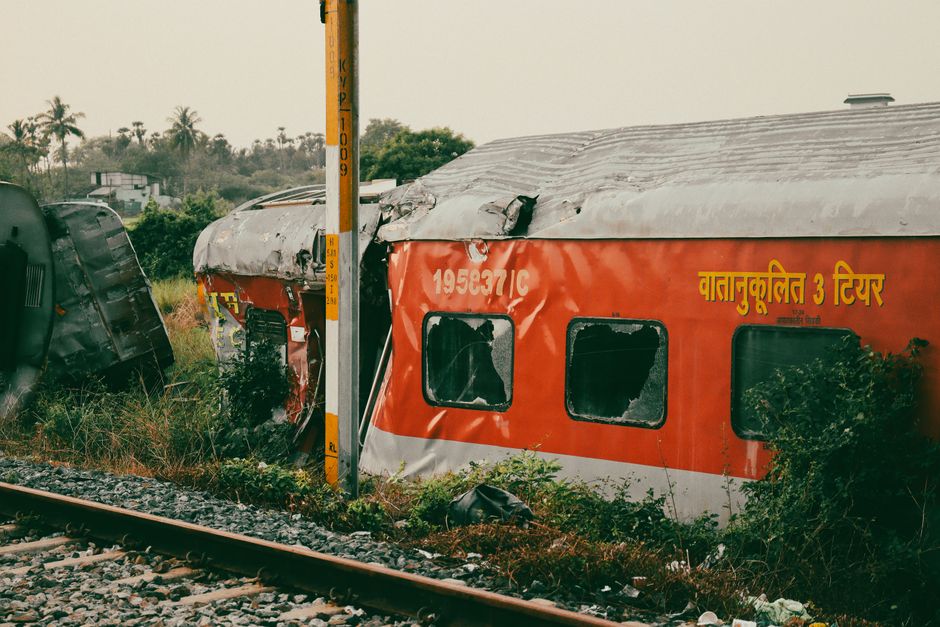
According to preliminary findings from the Belgian Federal Railway Authority (Infrabel), the accident occurred at a level crossing on the non-electrified Line 36, which connects Brussels to eastern Belgium. The crossing, located near the Avenue de la Couronne in Kraainem, is equipped with warning lights and automated barriers but lacks constant surveillance or direct communication with train dispatchers. Data from the train’s black box indicates the locomotive was traveling at approximately 80 km/h (50 mph) when it struck the minibus, which had become stalled on the tracks. Infrabel confirmed that the barriers had lowered and warning signals were active 30 seconds before the train’s arrival, suggesting the van may have entered the crossing illegally or malfunctioned mid-crossing. Emergency responders took over an hour to extract victims from the mangled wreckage, with fire crews using hydraulic cutters to free the occupants. Photos from the scene, published by The New York Times, show the front half of the van completely destroyed, with debris scattered across 50 meters of track.
Key Institutions Respond Amid Public Outcry

The victims included the minibus driver, a 48-year-old employee of the special education school Sint-Jozefinstituut in nearby Wezembeek-Oppem, and an accompanying teaching assistant, 34. The two students, aged 12 and 15, were enrolled at the school, which specializes in supporting children with developmental and cognitive disabilities. In a statement, the school’s director, Elke Martens, described the incident as “an unimaginable loss” and confirmed that grief counselors were being made available to students and staff. Belgian Prime Minister Bart De Wever expressed condolences and called for an immediate investigation, stating, “When children are harmed in preventable accidents, the entire nation bears responsibility to act.” Federal Transport Minister Georges Gilkinet ordered an audit of all 1,200 level crossings in Belgium, particularly those near schools, with a focus on outdated mechanical systems and visibility issues. Local authorities in Flanders have also launched a parallel inquiry into whether the van’s route should have been rerouted to avoid high-risk crossings.
Trade-Offs Between Accessibility and Safety

The tragedy has intensified debate over Belgium’s reliance on unmanned rail crossings, many of which were constructed in the mid-20th century and remain in use due to cost and logistical constraints. While automated systems have replaced manual gates at most crossings, only about 40% are monitored by real-time CCTV, and fewer than 15% have emergency stop buttons accessible to road users. Critics argue that budget shortfalls at Infrabel, the state rail infrastructure manager, have delayed full modernization. On the other hand, upgrading all crossings with advanced detection systems, remote monitoring, and redundant alerts could cost upwards of €800 million, according to a 2025 report by the European Union Agency for Railways. Yet the human cost of inaction is now starkly evident. Disability advocacy groups have also raised concerns about transportation equity, noting that students from special education institutions often rely on vans traveling through rural or less-monitored areas, placing them at disproportionate risk. The incident echoes a 2013 crash in northern France, where a school bus was struck by a train, killing eight, and led to sweeping rail safety reforms across the EU.
Why the Timing of the Crash Raises Alarm

The collision comes amid a broader reassessment of rail safety in Europe, following a series of high-profile accidents and increased passenger volumes post-pandemic. In Belgium, rail traffic has rebounded to 98% of pre-2020 levels, with SNCB/NMBS reporting record ridership in early 2026. However, infrastructure investment has not kept pace—rail spending accounted for just 1.2% of the national budget in 2025, below the EU average of 1.8%. Recent strikes by rail workers over staffing and safety conditions had already spotlighted systemic strain. The fact that this crash involved a vehicle transporting vulnerable minors has amplified political pressure. Moreover, the timing—occurring just weeks before regional elections in Flanders—ensures that rail safety will be a dominant campaign issue. Experts note that while train operations remain statistically safe, the risk at level crossings remains the most persistent danger to non-rail users, accounting for 62% of rail-related fatalities in Belgium since 2010, according to data from the World Health Organization.
Where We Go From Here
In the next six to twelve months, three scenarios could unfold. First, the federal government may fast-track funding to eliminate or upgrade 100 of the highest-risk crossings, particularly those near schools, using emergency infrastructure allocations. Second, regulatory changes could mandate GPS tracking and automatic emergency braking systems for all vehicles transporting students across rail lines. Third, if political will stalls, public pressure may force regional authorities to implement localized rerouting plans and stricter driver training protocols for school transport operators. Each path hinges on whether the national dialogue shifts from mourning to meaningful reform. In the meantime, Infrabel has announced temporary speed reductions near crossings in residential zones during school hours.
Bottom line — This preventable tragedy exposes critical gaps in Belgium’s rail safety framework and demands urgent investment in infrastructure upgrades, especially where vulnerable populations intersect with high-risk transportation corridors.
Source: The New York Times