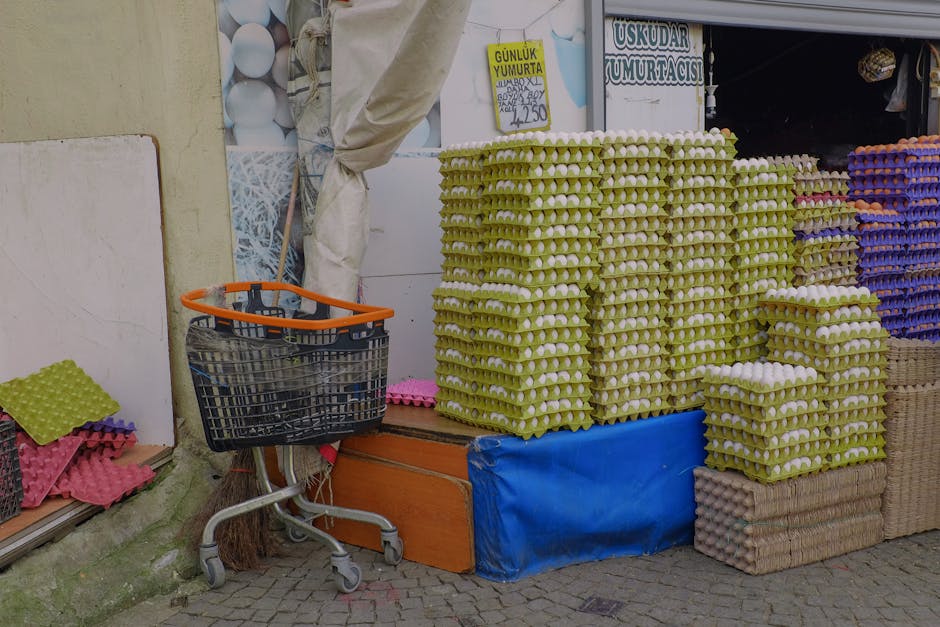
- Egg prices have doubled in the UK since 2022, with a pack of six standard white eggs now averaging £2.00-£2.30.
- The rise in egg prices is part of a broader trend of soaring grocery bills, with food inflation peaking at 19.2% in March 2023.
- Essential items, including bread, milk, pasta, and vegetables, have also seen significant price increases since the pandemic.
- The British Egg Industry Council reports that retail prices for eggs continue to rise despite some prices cooling in other areas.
- Household finances are being strained as a result of the rising prices, with many households forced to cut back on essentials like eggs and milk.
On a drizzly Tuesday morning in Sheffield, Margaret Hughes stands in the dairy aisle of her local Tesco, staring at the egg cartons with disbelief. “Six eggs used to be just a pound,” she murmurs, comparing the £2.15 price tag to the memory etched in her weekly budgeting notebook. “Now I’m skipping them to afford milk.” This quiet moment mirrors a national reckoning: the humble egg, once a staple of affordable nutrition, has quietly doubled in price since 2022. Supermarket shelves across Britain now reflect a new economic reality, where even the most basic items strain household finances. The rise isn’t isolated — bread, milk, pasta, and vegetables have all followed a similar arc — but the egg, so emblematic of simplicity and sustenance, has become a symbol of how deeply inflation has seeped into daily life.
Prices Double Amid Soaring Grocery Bills

Today, a pack of six standard white eggs from major UK supermarket own-brands — Tesco, Asda, Sainsbury’s — averages between £2.00 and £2.30, a 100–130% increase from their £1 price point in early 2022. According to data from the Office for National Statistics (ONS), egg prices rose by 34% in 2023 alone, outpacing general food inflation. This surge is part of a broader trend: UK food inflation peaked at 19.2% in March 2023, the highest in over 45 years. While some prices have cooled, essentials remain significantly higher than pre-pandemic levels. The British Egg Industry Council reports that while retail prices have soared, farmgate prices — what farmers actually receive — have not kept pace. This disconnect has raised questions about pricing transparency and whether supermarkets are absorbing too little of the cost burden, or even capitalizing on public anxiety to widen profit margins.
The Supply Chain Squeeze

The roots of today’s egg inflation stretch back to a cascade of global and domestic shocks. In 2022, avian influenza — bird flu — swept through UK poultry farms, prompting mass culls and import restrictions. Flock numbers dropped by nearly 10%, reducing supply just as demand was rebounding post-pandemic. At the same time, energy prices spiked due to the war in Ukraine, raising the cost of heating hen houses and running processing plants. Feed costs also surged; soya and wheat, key components of chicken feed, became more expensive due to disrupted Black Sea trade. These combined pressures forced egg producers to raise prices to farmers, who then passed them to retailers. But while farm production costs rose by 40–50%, retail prices in some cases doubled — a gap that watchdogs and politicians have begun to scrutinize. The Competition and Markets Authority (CMA) launched a formal investigation into UK grocery pricing in 2024, citing “evidence of sustained price increases without clear cost justification.”
BBC analysis shows that grocery profits have reached record highs, deepening public suspicion.
The Players Behind the Price Tag

At the heart of the pricing debate are three key actors: farmers, supermarkets, and regulators. Farmers, like Lincolnshire-based poultry producer David Mowbray, insist they’ve barely broken even. “We absorbed higher feed and energy bills, paid for biosecurity upgrades, and still saw our margins shrink,” he says. Meanwhile, supermarket chains report record profits — Tesco’s 2023 operating profit rose to £1.9 billion, up 12% year-on-year. While companies argue that higher prices reflect genuine cost pressures, critics point to “greedflation,” a term gaining traction to describe corporate pricing strategies that exceed cost increases. Richard Walker, former managing director of Iceland, has publicly criticized industry practices, stating that some retailers are “using inflation as cover to boost margins.” The CMA’s ongoing probe aims to determine whether competition is functioning fairly, but with final results not expected until late 2024, consumers remain in limbo.
Impact on Households and Food Security

For millions of UK households, the rising cost of eggs and other staples is more than an annoyance — it’s a threat to nutrition and dignity. Food bank usage has surged, with the Trussell Trust reporting a 37% increase in parcels distributed compared to 2022. Low-income families are substituting protein sources, skipping meals, or relying on cheaper, less nutritious options. Parents report cutting back on eggs, a key source of affordable protein for children. The shift also affects public health; diet-related illnesses like diabetes and heart disease could worsen if healthy foods remain out of reach. Charities warn that the current model is unsustainable, especially as benefits and wages fail to keep pace with food costs. “When a basic egg becomes a luxury, we’ve failed as a society,” says Rachel Catchpole of End Hunger UK.
The Bigger Picture
The egg’s journey from £1 to £2 is not just a story about chickens and supermarkets — it’s a microcosm of deeper economic fragilities. It exposes the thin margins in food production, the concentration of retail power, and the vulnerability of consumers in an era of climate shocks, geopolitical instability, and weak regulatory oversight. As extreme weather threatens future harvests and global trade remains volatile, the risk of further price spikes looms large. The current crisis underscores the need for a more resilient, transparent food system — one that protects both producers and consumers.
What comes next may depend on political will. Reforms to grocery supply chain regulation, greater transparency in cost pass-through, and support for sustainable farming could help stabilize prices. But until then, shoppers like Margaret Hughes will keep doing the math in the dairy aisle — wondering not just how they’ll afford eggs, but whether the system still works for them at all.
Source: BBC