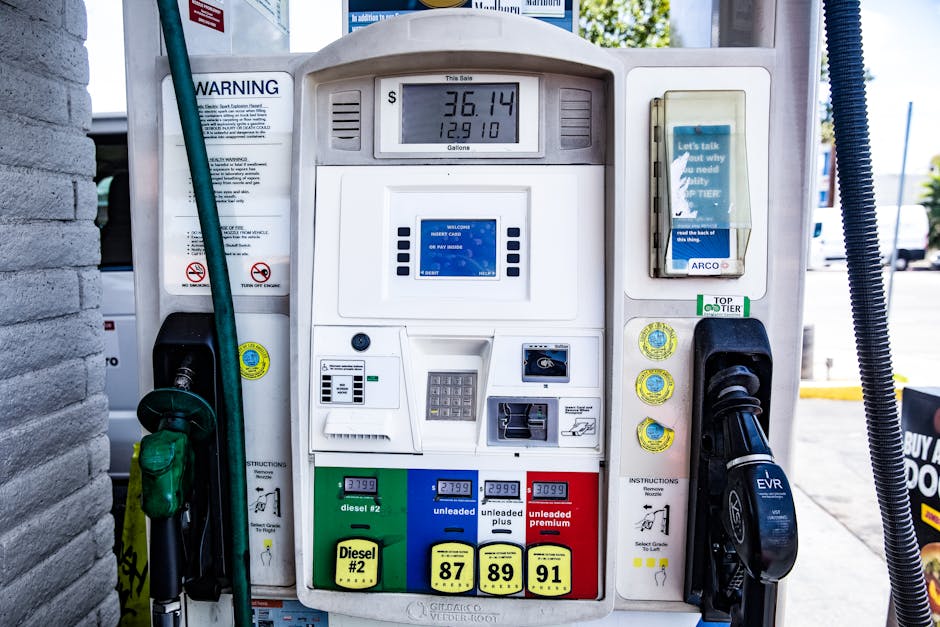
- Inflation has become a long-term concern in the US, impacting grocery aisles, gas stations, and rent counters.
- Families are revising their life plans due to inflation, with college funds shrinking and retirement timelines being delayed.
- Trust in institutions is eroding as people lose faith in the economy’s ability to control inflation.
- Inflation is becoming a self-fulfilling prophecy as people adjust their behavior in response to rising prices.
- The psychology of inflation is a growing concern, with consumers expecting prices to rise indefinitely.
On a quiet Tuesday morning in Allentown, Pennsylvania, Maria Gutierrez stood in front of her local supermarket, staring at the price tag on a gallon of milk—$5.29, up 65 cents from just six months ago. She sighed, recalculated her budget, and put it back. This scene repeats daily across America, not just in grocery aisles but at gas stations, pharmacies, and rent counters. What once felt like temporary price spikes has hardened into a deepening conviction: inflation isn’t just a momentary blip, but a lasting force. Families are no longer just adjusting their shopping lists; they’re revising their life plans. College funds are shrinking, retirement timelines are being delayed, and trust in institutions is fraying. The real danger isn’t just in the numbers—it’s in the psychology. When people stop believing prices will ever calm down, their behavior changes in ways that can make inflation self-fulfilling.
Inflation Expectations Take a Dangerous Turn

Recent data from the University of Michigan’s Surveys of Consumers reveals a troubling shift: long-term inflation expectations have climbed to their highest level in over three decades. The survey found that consumers now anticipate prices rising by an average of 3.6% per year over the next five to ten years—well above the Federal Reserve’s 2% target. Critically, this isn’t driven solely by volatile categories like energy or food; respondents increasingly expect broad-based price increases across housing, healthcare, and durable goods. Even more alarming, the uptick isn’t isolated to economically vulnerable groups. Middle- and upper-income households, who once dismissed inflation as a temporary inconvenience, now report altering spending habits, delaying major purchases, and demanding higher wages. The Federal Reserve has long emphasized that managing expectations is as crucial as adjusting interest rates. When the public loses faith in price stability, the central bank’s tools become less effective, potentially trapping the economy in a cycle of wage-price spirals and eroding purchasing power.
The Road to Persistent Inflation

This crisis of confidence didn’t emerge overnight. It’s the culmination of years of economic disruption, beginning with pandemic-era supply chain breakdowns and massive fiscal stimulus. Between 2020 and 2022, the U.S. government injected over $5 trillion into the economy, while the Fed held interest rates near zero. These measures, designed to prevent a depression, succeeded—but at a cost. Demand surged just as factories, ports, and trucking networks struggled to keep pace. Prices rose, and initially, policymakers dismissed the trend as ‘transitory.’ By the time the Fed acknowledged the threat in 2022, inflation had already taken root. Aggressive rate hikes followed, pushing the federal funds rate to over 5%, the highest in two decades. Yet, while headline inflation has cooled from its 2022 peak of 9.1%, core services—especially housing and labor-intensive sectors—remain stubbornly high. The lag between policy action and economic response means the full impact of rate hikes may not be felt for months, leaving households to bear the brunt of sustained price pressure.
Who’s Shaping the Inflation Narrative

The debate over inflation has become deeply politicized, with both parties weaponizing the issue. President Biden has pointed to falling gas prices and strong job growth as signs of progress, while Republicans blame deficit spending and green energy policies for fueling price increases. Donald Trump, positioning himself for a 2024 comeback, has claimed he can ‘end inflation overnight’ by reinstating tariffs and cutting taxes. Yet, even among his base, skepticism is growing. A recent Reuters poll found that 62% of Trump voters believe inflation will worsen regardless of who wins the election. Economists warn that such rhetoric, while politically potent, risks further destabilizing expectations. ‘When leaders promise quick fixes to complex structural problems, they erode trust in the very institutions tasked with solving them,’ said Dr. Lena Cho, an economist at the Brookings Institution. Meanwhile, Federal Reserve Chair Jerome Powell has maintained a cautious tone, emphasizing independence from political pressure and a commitment to restoring price stability—even if it means slower growth.
Economic and Social Consequences Loom

The consequences of entrenched inflation expectations extend far beyond individual budgets. Businesses, anticipating higher costs, are building inflation premiums into long-term contracts and wage negotiations. Unions are demanding multi-year pay increases that mirror expected price hikes, as seen in recent auto and rail negotiations. Financial markets are pricing in higher yields on long-term bonds, increasing borrowing costs for everything from mortgages to student loans. For low- and fixed-income households, the toll is especially severe. The New York Times reported that nearly 40% of Americans now struggle to afford basic necessities, a level not seen since the Great Recession. Moreover, if the Fed is forced to keep interest rates elevated for longer, the risk of a recession increases—potentially triggering job losses just as households reach their breaking point. The danger is a feedback loop: fear of inflation leads to behavior that perpetuates inflation, making it harder to break free.
The Bigger Picture
This moment is not just about numbers on a chart. It’s about the erosion of a shared belief in economic predictability—a cornerstone of modern capitalism. When people no longer trust that their money will hold its value, they save less, invest warily, and plan narrowly. That undermines innovation, productivity, and long-term growth. The U.S. has faced inflation before—in the 1970s, expectations became so unmoored that it took a painful recession to reset them. Today’s challenge is different: the causes are more complex, the political landscape more fractured, and public patience thinner. Restoring confidence will require more than monetary policy; it demands coordination between fiscal authorities, structural reforms, and honest communication.
What comes next may depend less on the Federal Reserve than on the collective psychology of millions of Americans making daily choices about what to buy, where to work, and whom to believe. If trust in price stability can be rebuilt, the economy may yet avoid a prolonged downturn. But if expectations continue to spiral, even the most disciplined policy may not be enough. The battle for inflation control is no longer just in the boardrooms of central banks—it’s in the minds of consumers holding empty grocery baskets and wondering if things will ever get better.
Source: Fortune