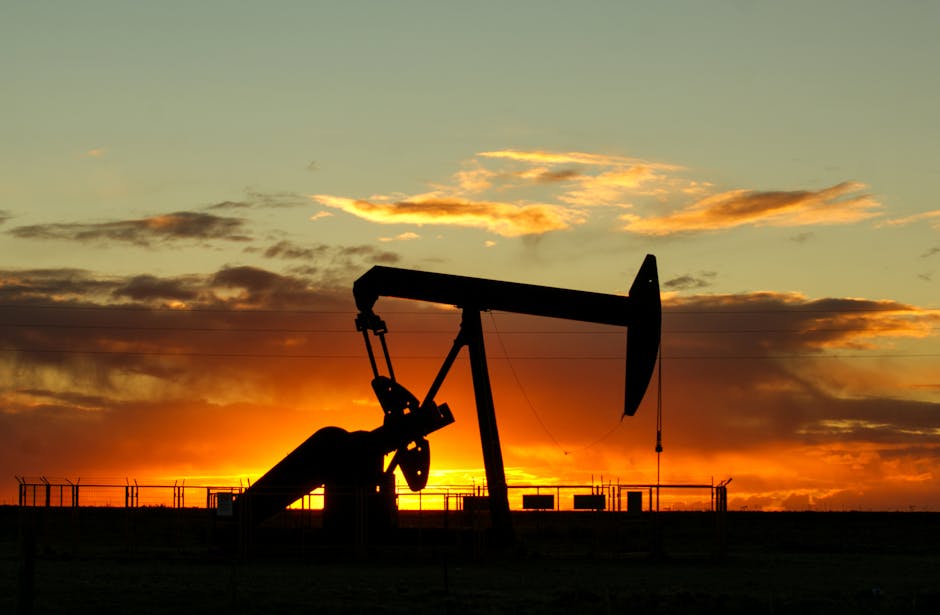
- US oil producers increase output to capitalize on price hike, driven by tensions between US and Iran.
- Global supply crunch leads to 40% jump in oil prices, impacting US president’s approval ratings.
- Drilling expansion expected to boost US economy, with predicted substantial increase in oil exports.
- US has become one of the world’s largest oil exporters, with many countries relying on American oil.
- Oil prices rise by over 15% in the past month alone, with Brent crude increasing by over 20% in the quarter.
The recent escalation of tensions between the US and Iran has led to a significant surge in oil prices, prompting American oil producers to increase their output in a bid to capitalize on the price hike. The global supply crunch, which has resulted in a 40 per cent jump in oil prices, has also had an impact on the president’s approval ratings. As the US continues to grapple with the economic implications of the crisis, oil producers are seizing the opportunity to boost their production and reap the benefits of the price surge. The drilling expansion is expected to have a significant impact on the US economy, with many experts predicting a substantial increase in oil exports. According to a report by the New York Times, the US has become one of the world’s largest oil exporters, with many countries relying on American oil to meet their energy needs.
Evidence of the Price Surge

The evidence of the price surge is clear, with oil prices rising by over 15% in the past month alone. The global supply crunch, which has been exacerbated by the Iran crisis, has resulted in a significant increase in demand for oil, leading to a sharp rise in prices. According to data from the Reuters, the price of Brent crude has risen by over 20% in the past quarter, with many experts predicting that prices will continue to rise in the coming months. The surge in prices has been driven by a combination of factors, including the global supply crunch, geopolitical tensions, and a surge in demand from countries such as China and India. As the global economy continues to grow, the demand for oil is likely to increase, leading to further price hikes.
Key Players in the Oil Industry

The key players in the oil industry, including major producers such as ExxonMobil and Chevron, are playing a crucial role in shaping the global oil market. These companies have significant influence over the global supply of oil and are well-placed to take advantage of the price surge. According to a report by the BBC, many of these companies are investing heavily in new drilling projects, with the aim of increasing their production and boosting their profits. The role of these companies will be critical in determining the future of the global oil market, with many experts predicting that they will continue to play a dominant role in shaping the industry. As the global demand for oil continues to grow, these companies will be well-placed to meet this demand and reap the benefits of the price surge.
Trade-Offs of the Drilling Expansion

The drilling expansion, while providing a boost to the US economy, also has significant trade-offs. The increase in oil production will lead to a surge in greenhouse gas emissions, contributing to climate change and having a devastating impact on the environment. According to a report by the Nature, the extraction and burning of fossil fuels is one of the main causes of climate change, with many experts warning that urgent action is needed to reduce emissions and mitigate the worst impacts of climate change. Furthermore, the drilling expansion will also have significant social and economic impacts, including the displacement of communities and the destruction of natural habitats. As the US continues to grapple with the implications of the drilling expansion, it is essential that policymakers consider these trade-offs and develop strategies to mitigate the negative impacts of the expansion.
Timing of the Drilling Expansion

The timing of the drilling expansion is critical, with many experts predicting that the price surge will be short-lived. The global supply crunch, which has driven the price hike, is expected to ease in the coming months, leading to a decline in prices. According to a report by the Associated Press, many oil producers are taking a cautious approach to the drilling expansion, with some opting to delay their investments until the market stabilizes. However, others are seizing the opportunity to boost their production, with the aim of maximizing their profits while the price surge lasts. As the global oil market continues to evolve, it is essential that policymakers and industry leaders consider the timing of the drilling expansion and develop strategies to ensure that the US is well-placed to respond to changing market conditions.
Where We Go From Here
As the US oil industry continues to navigate the complexities of the global oil market, there are several possible scenarios for the next 6-12 months. One scenario is that the price surge will continue, driven by ongoing geopolitical tensions and a surge in demand from countries such as China and India. Another scenario is that the global supply crunch will ease, leading to a decline in prices and a reduction in the profitability of the drilling expansion. A third scenario is that the US will experience a significant increase in oil exports, driven by the drilling expansion and the growing demand for American oil. According to a report by the Guardian, many experts are predicting that the US will become one of the world’s largest oil exporters, with significant implications for the global oil market.
In conclusion, the drilling expansion is a complex issue with significant implications for the US economy and the global oil market. While the price surge provides a boost to the US economy, it also has significant trade-offs, including the surge in greenhouse gas emissions and the devastating impact on the environment. As policymakers and industry leaders consider the future of the US oil industry, it is essential that they develop strategies to mitigate the negative impacts of the drilling expansion and ensure that the US is well-placed to respond to changing market conditions. Ultimately, the future of the US oil industry will depend on its ability to adapt to the evolving global oil market and to develop sustainable and environmentally-friendly practices that minimize its impact on the environment.
Source: Financial Times