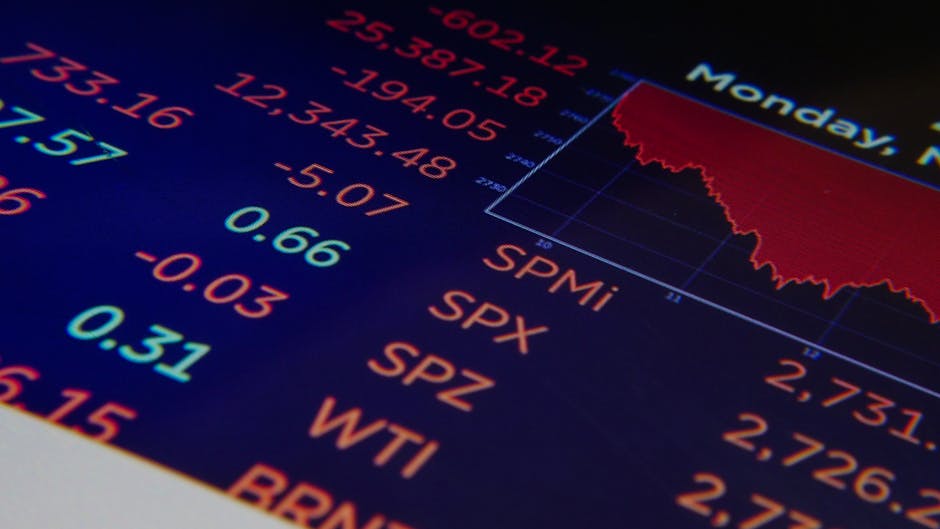
- Trump’s 3,711 trades reveal a sophisticated investment strategy that combines human judgment and machine-driven insights.
- The trades suggest a multifaceted approach to portfolio management, with overlap between index-based strategies and automated trading systems.
- Analysts discovered patterns in Trump’s trades that point to the use of automated trading systems, which execute trades at lightning-fast speeds.
- Trump’s team employed a blend of human judgment and machine-driven insights in their investment decisions, adding complexity to the picture.
- The sheer volume of transactions indicates a high level of investment activity, with many trades involving well-known companies and index funds.
The sun had just set over the Manhattan skyline when the news broke: Donald Trump, the 45th President of the United States, had made a staggering 3,711 trades in the stock market. The sheer volume of transactions was dizzying, leaving many to wonder what could be driving such frenetic activity. As the details began to emerge, a complex picture started to take shape, one that suggested Trump’s investment portfolio was being managed with a level of sophistication that belied his reputation as a straightforward deal-maker.
The Current State of Trump’s Portfolio

At first glance, the numbers were striking. Trump’s 3,711 trades had generated significant activity in the market, with many of the transactions involving well-known companies and index funds. As analysts began to dig deeper, they discovered that the patterns bear the hallmarks of overlapping portfolio-management strategies, often index-based and much of it likely automated. The use of automated trading systems, which can execute trades at lightning-fast speeds, added an extra layer of complexity to the picture. It became clear that Trump’s team was employing a multifaceted approach, one that blended human judgment with machine-driven insights.
A History of Market Moves

To understand the context behind Trump’s trades, it’s essential to look at the historical context. The former president has long been known for his savvy business acumen, having built a real estate empire through a series of shrewd deals. However, his foray into the stock market is a more recent development, one that coincides with his rise to political prominence. As his wealth and influence grew, so did his investment portfolio, which began to take on a more diversified and sophisticated character. The appointment of experienced financial advisors and the adoption of cutting-edge trading technologies likely played a significant role in shaping Trump’s investment strategy.
The Players Behind the Trades

So, who is behind Trump’s 3,711 trades? While the former president himself has not publicly commented on the matter, it’s likely that a team of experienced financial advisors is driving the investment decisions. These individuals, with their deep understanding of market trends and trading strategies, are probably working in conjunction with automated systems to identify opportunities and execute trades. Their motivations, while not explicitly stated, can be inferred from the patterns of activity. It appears that they are seeking to maximize returns while minimizing risk, employing a range of strategies to achieve this goal.
Consequences for Stakeholders

The implications of Trump’s trades are far-reaching, with potential consequences for a range of stakeholders. For investors, the sheer volume of activity generated by Trump’s portfolio could impact market prices, particularly if his trades are concentrated in specific sectors or companies. Additionally, the use of automated trading systems raises questions about the role of technology in shaping market outcomes. As reported by the New York Times, the increasing reliance on machine-driven trading has sparked concerns about market volatility and the potential for flash crashes.
The Bigger Picture
The story of Trump’s 3,711 trades serves as a reminder of the complexities and nuances of the modern stock market. As technology continues to evolve and play a larger role in shaping investment decisions, it’s essential to consider the broader implications of these trends. The intersection of human judgment and machine-driven insights is likely to become an increasingly important theme in the world of finance, with significant consequences for investors, policymakers, and the economy as a whole. For more information on the impact of technology on financial markets, visit Reuters for in-depth analysis and reporting.
As the dust settles on Trump’s 3,711 trades, one thing is clear: the former president’s investment portfolio is a microcosm of the larger trends shaping the stock market. As we look to the future, it will be fascinating to see how Trump’s team navigates the evolving landscape, and what lessons can be learned from their approach. With the markets continuing to adapt to the influence of technology, one thing is certain – the story of Trump’s trades is far from over.
Source: Fortune