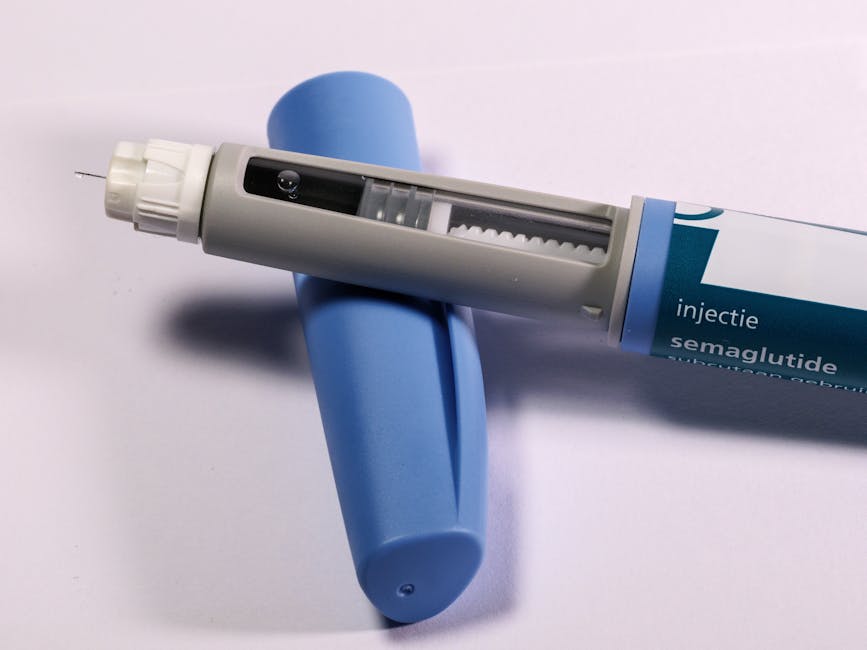
- GLP-1 receptor agonists are redefining traditional beauty standards with a leaner, more angular ideal.
- The ‘GLP-1 look’ is characterized by hollowed cheeks, tighter jawlines, and a more defined bone structure.
- Originally designed to treat type 2 diabetes and obesity, these medications are now widely prescribed for weight loss.
- The ‘GLP-1 look’ is gaining visibility as prescriptions for these medications skyrocket, with Wegovy sales growing 430% between 2022 and 2023.
- Dermatologists and plastic surgeons are reporting a noticeable increase in patients seeking treatments for this new aesthetic.
In a softly lit corner of the Louvre, beneath bulletproof glass and surrounded by a perpetual crowd, the Mona Lisa smiles her ageless, ambiguous smile. For centuries, her serene expression and delicate features have symbolized Renaissance ideals of beauty—rounded cheeks, a gentle fullness in the face, and an aura of maternal grace. Today, some art historians and medical experts suggest that Lisa Gherardini may have been overweight by modern standards, possibly even showing signs of hypothyroidism or metabolic syndrome. But now, as GLP-1 receptor agonists like Wegovy and Mounjaro sweep through affluent societies, that soft, full-faced beauty is fading—not just from art, but from real life. The new ideal emerging is sharper, leaner, more angular: what some are calling the ‘GLP-1 look.’
The Rise of the ‘GLP-1 Look’

Across cities from Los Angeles to London, a new aesthetic is quietly taking hold. Doctors report patients not only losing weight but also developing a distinct facial appearance—hollowed cheeks, tighter jawlines, and a more defined bone structure—collectively dubbed the ‘GLP-1 look.’ These changes are side effects of drugs originally designed to treat type 2 diabetes and obesity by mimicking the hormone glucagon-like peptide-1, which regulates appetite and insulin. As prescriptions have skyrocketed—Wegovy sales alone grew 430% between 2022 and 2023—so too has the visibility of this new look. Dermatologists and plastic surgeons now report that patients are no longer asking for fillers to plump their faces, but for treatments to preserve facial volume lost to these drugs. According to a 2024 report by the American Medical Association, over 12 million people in the U.S. are now using GLP-1 agonists, many for off-label weight management. The cultural ripple effects are just beginning.
From Medical Tool to Cultural Phenomenon

The journey of GLP-1 drugs from obscure diabetes treatments to cultural touchstones began with the approval of semaglutide (marketed as Ozempic and Wegovy) in the early 2020s. Initially prescribed to patients with metabolic conditions, their efficacy in promoting significant weight loss—up to 15-20% of body weight in clinical trials—sparked widespread interest. By 2023, the drugs had permeated popular culture, touted by celebrities and influencers who credited them with their dramatic transformations. The term ‘Ozempic face’ entered the lexicon, describing the gaunt, prematurely aged appearance some develop after rapid fat loss. But rather than deterring users, the look became a status symbol—a visible marker of discipline, access, and modernity. As supply shortages emerged, black markets flourished, and demand outpaced production, the drugs became not just medical tools but artifacts of desire and privilege.
The People Shaping the New Ideal

Behind this shift are a constellation of powerful actors: pharmaceutical executives, dermatologists, social media influencers, and patients seeking control over their bodies. At Novo Nordisk, the Danish company behind Wegovy and Ozempic, executives have acknowledged the drugs’ cultural impact, though they caution against non-medical use. Meanwhile, aesthetic specialists like Dr. Sandra Lee—better known as ‘Dr. Pimple Popper’—have taken to social media platforms to warn of the long-term dermatological consequences of facial fat loss. Yet for many users, the trade-off is worth it. In interviews, patients describe newfound confidence, relief from weight stigma, and a sense of reclaiming their lives. For others, especially in fashion and entertainment, the GLP-1 look signals exclusivity—something attainable only through wealth and insider knowledge. The result is a paradox: a medical treatment designed to improve health has become entangled with performative thinness and elite beauty standards.
Health, Beauty, and the Cost of Transformation

The consequences of this shift are multifaceted. On one hand, GLP-1 drugs represent a breakthrough in treating obesity, a condition linked to heart disease, diabetes, and reduced life expectancy. For many, these medications are life-changing. On the other, the glamorization of the ‘GLP-1 look’ risks reinforcing dangerous body ideals and stigmatizing natural weight variation. Eating disorder specialists warn that the normalization of rapid weight loss could exacerbate conditions like anorexia or orthorexia, particularly among young people. Additionally, the long-term effects of sustained GLP-1 use remain unknown, and access disparities mean the benefits are largely available to the wealthy. As beauty standards evolve, so too does the pressure to conform—this time, not through dieting or surgery, but through pharmaceutical intervention.
The Bigger Picture
This moment reflects a deeper cultural reckoning with the body, medicine, and identity. The Mona Lisa’s soft contours once represented health and prosperity; today, thinness dominates as the gold standard. But as GLP-1 drugs blur the line between therapy and enhancement, we must ask: are we treating disease, or reshaping humanity? The answer may lie in how we balance medical innovation with ethical reflection. As art and media begin to reflect the GLP-1 look, we risk losing the diversity of human form that has, for centuries, defined beauty in all its complexity.
What comes next is uncertain. Will the GLP-1 look fade like previous fads, or will it become the new normal? Will regulators tighten access, or will these drugs become as routine as statins? One thing is clear: our ideals of beauty are no longer shaped by artists or philosophers alone, but by pharmacologists, algorithms, and the invisible hand of biotechnology. The face of beauty is changing—and with it, the face of society.
Source: The Guardian