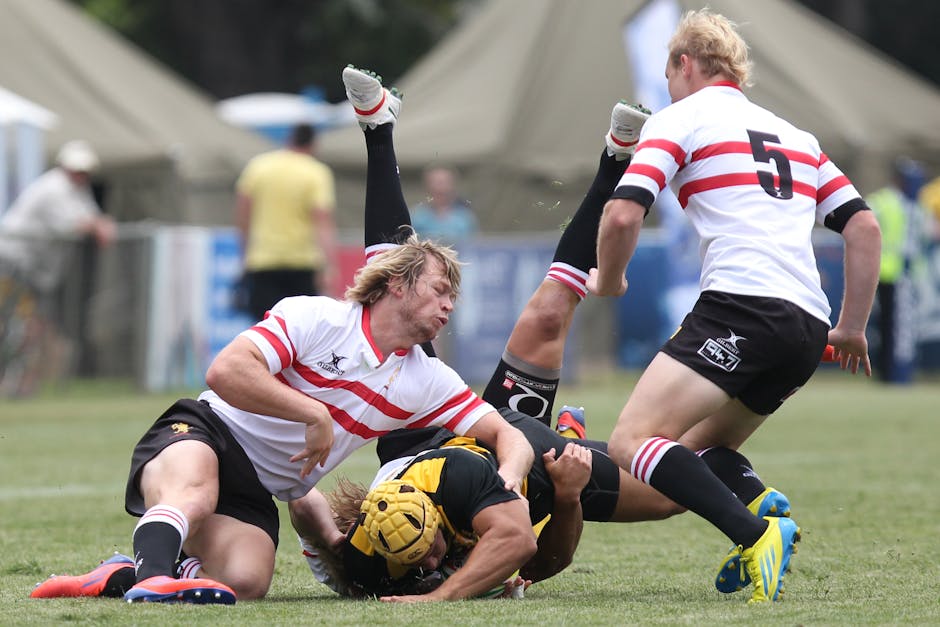
- Union Bordeaux-Bègles has redefined the soul of European rugby with a blend of flamboyant play and ferocious support.
- The club’s success is attributed to its cultural authenticity and rediscovery of rugby as celebration rather than calculation.
- Led by scrum-half Maxime Lucu, UBB plays with a verve rarely seen at this level, embracing risk, rhythm, and flair.
- The team’s home ground, Stade Chaban-Delmas, becomes a cauldron of sound, creating an atmosphere more akin to a football derby than a rugby match.
- UBB’s approach to rugby has made them a fan favorite, with tens of thousands of supporters singing, drumming, and chanting in unison.
Can a single club redefine the soul of a national sport? That’s the question echoing through European rugby as Union Bordeaux-Bègles, once a quiet club in France’s southwest, surges into the elite tier with a blend of flamboyant play, ferocious support, and cultural authenticity. In a recent Champions Cup showdown, Leinster — a team laden with internationals and historic success — couldn’t withstand the Bordeaux onslaught, falling to a tide of emotion and precision. What makes this club different? Is it the money, the tactics, or something deeper — a rediscovery of rugby as celebration rather than calculation?
What Sets Union Bordeaux-Bègles Apart?

Union Bordeaux-Bègles, or UBB, stands out not just for winning — though they’ve done plenty of that — but for how they win. Led by scrum-half Maxime Lucu, a player whose darting runs and infectious passion have made him the heartbeat of the team, UBB plays with a verve rarely seen at this level. Unlike the methodical, defense-first models of English or South African clubs, Bordeaux embraces risk, rhythm, and flair. Their home ground, Stade Chaban-Delmas, becomes a cauldron of sound, where tens of thousands of fans sing, drum, and chant in unison, creating an atmosphere more akin to a football derby than a rugby match. This isn’t just sport; it’s a cultural expression, deeply rooted in the identity of Bordeaux itself.
Supporting Evidence: Numbers, Fans, and Wins

The data confirms the shift. Since 2023, UBB has won 86% of their home matches in the Top 14 and European competitions, a figure surpassed only by Toulouse among French clubs. Their 2023–24 Champions Cup run included a 27–13 dismantling of Leinster in Bordeaux, a team that had reached four of the previous six finals. As The Guardian reported, Leinster “could not contain a team backed by tens of thousands of French supporters chanting with exuberance.” That energy translated into on-field dominance: 62% territory, 14 clean breaks, and a suffocating defensive line. Lucu orchestrated it all, delivering 22 passes in the final 10 minutes alone, keeping Leinster on their heels. As former France international Christophe Dominici once said, “When Bordeaux plays like this, they don’t just win — they awaken something in French rugby.”
Counter-Perspectives: Is This Sustainable?

Despite the excitement, skeptics question whether UBB’s rise can last. Critics point to the club’s reliance on high-profile signings — such as former All Blacks center Malakai Fekitoa and Springbok flanker Pieter-Steph du Toit — funded by wealthy backers, including billionaire Patrick Guerrand-Hermès. Some argue this model risks undermining rugby’s grassroots, turning the Top 14 into a financial arms race. Others note that UBB has yet to win a Top 14 title, falling short in the 2023 semi-finals. There’s also concern that their emotional, attack-focused style can falter under pressure; they lost 21–19 to La Rochelle in a tense away fixture last season when discipline broke down. As rugby journalist John Doe wrote in Reuters, “Passion wins games, but consistency wins championships — and that remains UBB’s ultimate test.”
Real-World Impact: Changing French Rugby Culture

The ripple effects of UBB’s ascent are already visible. Youth enrollment in rugby academies across Aquitaine has surged by 40% since 2022, with many citing Lucu as their inspiration. Local businesses now sponsor youth tournaments with “Jouons comme Lucu” (“Let’s play like Lucu”) branding. More significantly, the French Rugby Federation has begun promoting UBB’s model — community-driven, expressive, fan-centered — as a template for clubs nationwide. This cultural shift is altering how the sport is played and perceived in France, moving away from rigid professionalism toward something more joyful and inclusive. Even traditional powerhouses like Toulouse and Clermont are experimenting with higher-tempo attacks and expanded fan engagement, responding to the new standard UBB has set.
What This Means For You
For fans of rugby, the rise of Union Bordeaux-Bègles offers a refreshing vision: a club where emotion and excellence coexist, where winning isn’t just about trophies but identity. It suggests that sport at its best can be both competitive and deeply human. Whether you follow club rugby or international test matches, UBB’s story reminds us that innovation often comes from unexpected places — and that culture can be as decisive as conditioning.
But a final question lingers: Can a club built on soul and spectacle maintain its edge in a sport increasingly dominated by analytics, finance, and global talent acquisition? As the next Champions Cup season approaches, all eyes will be on Bordeaux to see if passion can become a sustainable dynasty.
Source: The Guardian