- Asia faces a 40% naphtha shortfall due to the closure of the Strait of Hormuz, severely impacting manufacturing.
- Naphtha is a critical feedstock for plastics, synthetic fibers, and solvents in Asian manufacturing.
- Japanese and South Korean manufacturers are operating at reduced capacity due to naphtha shortages.
- Imports of naphtha from the Middle East have fallen by 40% due to regional hostilities.
- The naphtha shortage is disrupting the production of essential plastics used in various industries.
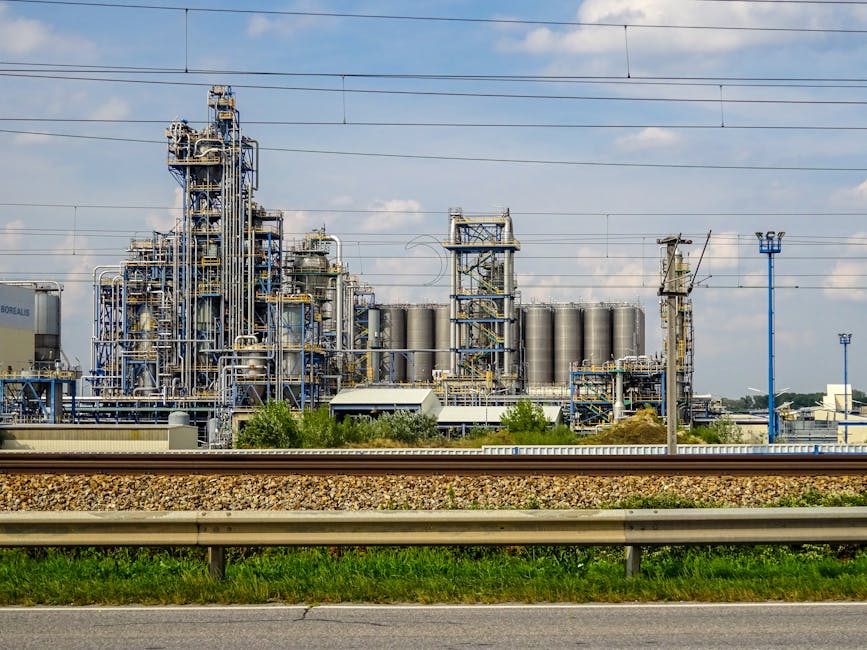
In a sprawling industrial park on the outskirts of Ulsan, South Korea, the hum of machinery has grown quieter. Once-bustling loading docks sit half-empty, their cranes idle. Inside a sprawling petrochemical complex operated by LG Chem, engineers monitor dwindling naphtha reserves like sentinels guarding a fortress under siege. Just 200 miles northeast in Kawasaki, Japan, a similar silence blankets a Mitsubishi Chemical facility. These are not scenes of economic retreat, but of disruption — the quiet aftermath of a maritime chokepoint turned into a global economic fuse. The Strait of Hormuz, a narrow waterway responsible for nearly 20% of the world’s oil shipments, has been effectively closed by regional hostilities, severing the flow of naphtha, a critical feedstock for plastics, synthetic fibers, and solvents. What began as a geopolitical flare-up has now metastasized into a supply shock reverberating through the arteries of Asian manufacturing.
Manufacturing at a Standstill

Japanese and South Korean manufacturers are now operating at reduced capacity, with some petrochemical plants running below 60% of normal output due to naphtha shortages. Naphtha, a light hydrocarbon derived from crude oil refining, is essential for producing ethylene and propylene — the building blocks of plastics used in everything from smartphones to car dashboards. According to Japan’s Ministry of Economy, Trade and Industry, imports of naphtha from the Middle East have fallen by 42% over the past six weeks. South Korea’s state-run Korea National Oil Corporation reports a 38% drop in deliveries, forcing major firms like Hanwha TotalEnergies and SK Geo Centric to ration supplies. The ripple effects are already being felt: Toyota has delayed some component orders, while Samsung Electronics has issued internal warnings about potential disruptions to plastic casings for its consumer devices. Retailers in Tokyo and Seoul are beginning to see delays in restocking household goods, from packaging materials to synthetic textiles, signaling a broader consumer impact.
How the Crisis Took Hold

The roots of this crisis lie in the volatile waters of the Persian Gulf. For decades, the Strait of Hormuz has served as the primary export route for crude oil and refined products from Saudi Arabia, the UAE, Kuwait, and Iran. Approximately 17 million barrels of oil pass through the strait daily, with a significant portion processed into naphtha at Gulf refineries before being shipped to Asia. In early May, escalating tensions between Iran and U.S.-aligned Gulf states led to a series of naval confrontations, culminating in Iran’s Revolutionary Guard deploying fast attack boats and coastal defense systems to block commercial traffic. Despite diplomatic efforts and a U.S. naval buildup, the strait remains partially closed. Shipping insurers have raised premiums by as much as 300%, and major carriers like Maersk and Mitsui O.S.K. Lines have rerouted vessels around Africa’s Cape of Good Hope, adding two to three weeks to delivery times. With naphtha unable to reach Asian refineries on schedule, stockpiles have depleted faster than anticipated, exposing the region’s heavy reliance on just-in-time logistics and Middle Eastern feedstocks.
The People Steering the Response

At the center of the crisis response are a network of government officials, corporate strategists, and energy diplomats. In Tokyo, METI Vice Minister Yuki Tanida has convened emergency meetings with Japan’s top chemical and electronics firms to coordinate rationing and alternative sourcing. Meanwhile, South Korea’s Minister of Trade, Ahn Duk-geun, has been in direct talks with Saudi Arabia and Qatar to secure emergency naphtha shipments via alternate routes. On the corporate side, executives at Mitsubishi Chemical and LG Chem have activated crisis protocols, shifting production lines to use substitute feedstocks like ethane, though these are less efficient and more costly. Traders at global commodity firms like Vitol and Trafigura are scrambling to reroute naphtha from African and European storage terminals, but supplies remain limited. Behind closed doors, there is growing frustration over the lack of strategic reserves for critical petrochemical feedstocks — a vulnerability long ignored in favor of lean, cost-optimized supply chains.
Consequences Across the Supply Chain

The naphtha shortage is triggering a domino effect across industries. Automotive manufacturers, already grappling with semiconductor constraints, now face delays in plastic components, potentially disrupting assembly lines. Electronics firms may see increased costs as alternative materials are sourced, which could be passed on to consumers. Textile producers in Japan, reliant on synthetic fibers derived from naphtha, report rising input prices and reduced order fulfillment. Exporters in both countries are losing competitiveness as delivery times stretch. Small and medium enterprises, lacking the clout to secure alternative supplies, are especially vulnerable. Analysts at Reuters warn that prolonged disruption could shave 0.5% off Japan’s quarterly GDP and slow South Korea’s industrial output by as much as 2.3% in the second half of the year. The crisis also underscores the fragility of Asia’s manufacturing dominance, built on seamless access to Middle Eastern energy.
The Bigger Picture
This supply shock is more than a temporary disruption — it is a stress test of globalization’s weak links. For decades, Asian economies have optimized for efficiency, relying on uninterrupted flows of raw materials from politically unstable regions. The naphtha crisis reveals how a single chokepoint can destabilize entire industrial ecosystems. As climate change and geopolitical friction increase the frequency of such shocks, nations may be forced to rethink their dependency on distant feedstocks. Some experts argue for greater investment in regional refining capacity or alternative materials, but such shifts require time and political will. In the long run, the Hormuz blockade may accelerate a quiet reckoning: the end of ultra-lean supply chains and the return of strategic stockpiling.
What comes next depends on both diplomacy and adaptation. If the Strait of Hormuz reopens in the coming weeks, the immediate crisis may ease, but the scars will linger. Companies and governments are already drafting contingency plans for future disruptions, including diversifying suppliers and building buffer inventories. The era of uninterrupted growth fueled by cheap, distant energy may be giving way to a new reality — one where resilience matters more than efficiency. The silence in Ulsan and Kawasaki may eventually lift, but the lessons from this quiet will echo far beyond Asia’s factory floors.
Source: The New York Times