- A £5.30 carton of premium orange juice reveals the strain on the global food system, influenced by factors like droughts and fuel spikes.
- Supermarkets in the UK face unprecedented cost pressures, affecting staples like butter, coffee, and milk.
- Imported, premium orange juice has seen a 16.2% price increase in 2023, outpacing general food inflation.
- Citrus crops in southern Europe have suffered from prolonged drought, reducing yields and contributing to price hikes.
- Energy-intensive pasteurization and refrigeration processes have become more expensive due to rising natural gas costs.
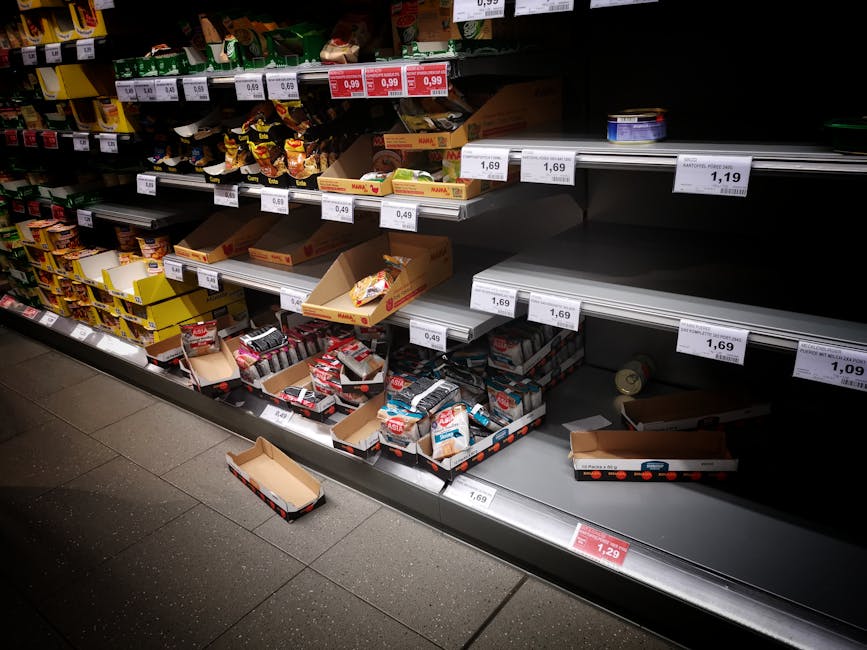
A fluorescent-lit aisle in a Sainsbury’s in Bristol holds a quiet shock: a carton of premium orange juice priced at £5.30. It sits unassumingly between cereal boxes and yogurts, but its sticker tells a story far beyond citrus. This isn’t just a drink — it’s a snapshot of a global food system under strain. The price reflects more than brand prestige; it captures the weight of droughts in Spain, fuel spikes in Rotterdam, and container ships delayed off Felixstowe. For shoppers squeezing pennies, the moment is jarring. But for economists, this single product is a microcosm of a broader inflation wave eroding household budgets across the UK and Europe. The grocery basket, once a symbol of stable pricing, has become a battlefield of unseen forces — and orange juice, of all things, is on the front line.
Supermarkets Face Unprecedented Cost Pressures

Across the UK, staples like butter, coffee, chocolate, and milk have surged in price, with some items increasing by over 25% in just 18 months. But orange juice — particularly imported, premium varieties — has seen some of the sharpest spikes. According to data from the Office for National Statistics, the price of fruit juices rose by 16.2% in 2023 alone, outpacing general food inflation. The reasons are layered: citrus crops in southern Europe have suffered from prolonged drought, reducing yields. At the same time, energy-intensive pasteurization and refrigeration processes have become more expensive as natural gas prices remain volatile following the Ukraine war. Transport costs, though down from 2022 peaks, are still elevated due to port congestion and tighter shipping schedules. Retailers, caught between supplier demands and customer backlash, are passing these costs on — often without full transparency. As one industry insider noted, “We’re not marking up for profit. We’re marking up to survive.”
The Long Road to the Juice Aisle

The journey of that £5.30 carton begins thousands of miles away, often in Valencia, Spain, or São Paulo, Brazil — two of the world’s largest orange-producing regions. Over the past decade, both have seen increasing climate volatility. In Spain, the 2022-2023 winter brought record-low rainfall, with some areas receiving less than 30% of average precipitation. In Brazil, erratic rains and unseasonal frosts disrupted harvests, while citrus greening disease — a bacterial infection spread by insects — has plagued groves for years. These agricultural shocks ripple outward. Fewer oranges mean higher concentrate prices on global commodity markets. Juice processors, many of whom hedge prices months in advance, are now paying more than ever for raw materials. Meanwhile, the energy needed to pasteurize, package, and keep juice cold during transit has soared. Europe’s shift away from Russian gas has made industrial operations costlier, and while renewables are expanding, they haven’t yet offset the volatility. The result is a supply chain with thinner margins and higher risks — all priced into the final product.
The People Behind the Price Tag

At the heart of this crisis are farmers, logistics managers, and supermarket buyers making impossible choices. Spanish citrus grower Elena Marquez, who runs a family orchard near Valencia, says she’s lost nearly 40% of her yield due to drought. “We’ve invested in drip irrigation, but water permits are restricted, and energy to pump it is too expensive,” she explains. On the other end, UK supermarket procurement teams are locked in tense negotiations with suppliers, trying to balance shelf availability with customer tolerance. Some are switching to cheaper juice blends or reducing pack sizes — a tactic known as “shrinkflation.” Others are absorbing costs temporarily, hoping conditions improve. But with no clear end to climate-driven disruptions, even short-term fixes feel fragile. As Simon Lowings, a former retail executive turned supply chain analyst, puts it: “The people making these decisions aren’t villains. They’re reacting to a system that’s no longer predictable.”
What This Means for Shoppers and Suppliers

For consumers, the consequences are immediate: tighter budgets and altered shopping habits. Many are trading down to own-brand juices or skipping fruit drinks altogether. This shift hits not only premium brands but also the farmers and processors who depend on export markets. For suppliers, especially in developing economies, reduced orders can mean lost livelihoods. The ripple extends further: if high prices persist, retailers may reevaluate entire product lines, potentially reducing diversity on shelves. There are also equity concerns — low-income households spend a higher proportion of income on food and are least able to absorb price shocks. Charities like The Trussell Trust report rising demand at food banks, with fresh produce often among the first items cut from household budgets.
The Bigger Picture
This isn’t just about orange juice. It’s about how climate change, geopolitical instability, and fragile global logistics are converging to remake the economics of everyday life. The food system, long optimized for efficiency over resilience, is proving vulnerable to cascading shocks. As extreme weather becomes more frequent and energy transitions remain uneven, products once considered stable may become luxury items. Economists warn that “climate inflation” could become a permanent feature of developed economies. The £5.30 juice carton is not an anomaly — it’s a warning.
What comes next may depend on whether governments and businesses prioritize supply chain resilience over short-term savings. Investments in drought-resistant crops, regional processing hubs, and transparent pricing models could help. But without coordinated action, the grocery aisle will remain a mirror of global instability — where the cost of breakfast reflects the true price of a warming world.
Source: BBC