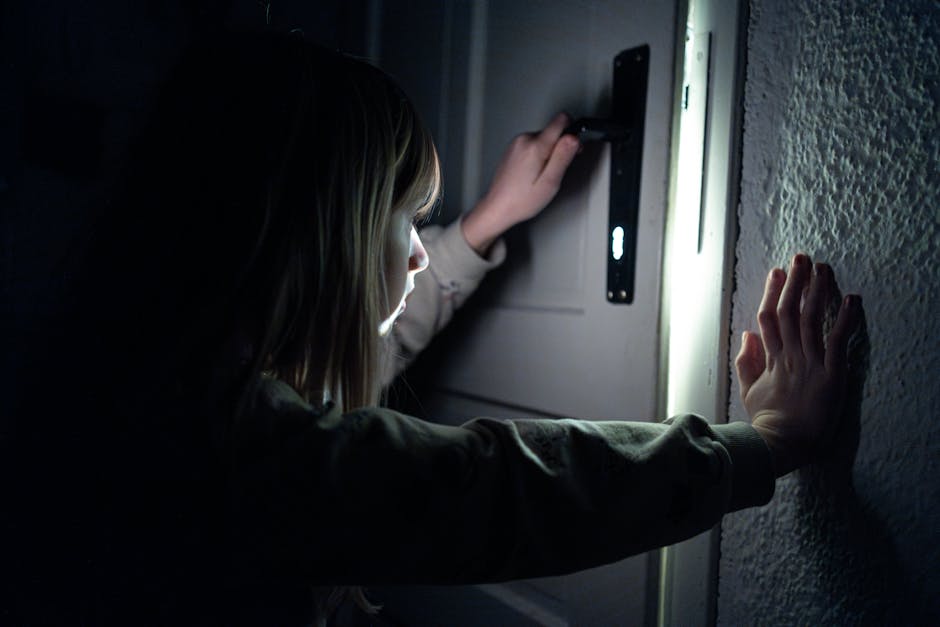
- Formula 1 legend Alain Prost was injured in a violent home invasion by a masked gang near Geneva.
- The 68-year-old Prost sustained minor injuries, including bruises and lacerations, during the confrontation.
- Local police are investigating the incident, which occurred in the affluent commune of Genthod.
- Prost, a four-time F1 world champion, has been a prominent ambassador for the sport since his retirement.
- The brazen attack has sent shockwaves through the racing community, highlighting concerns about security for retired sports figures.
Four-time Formula 1 world champion Alain Prost was injured during a violent home invasion by a masked gang at his residence near Geneva, according to Swiss media reports. The 68-year-old motorsport legend, widely regarded as one of the most cerebral drivers in F1 history, sustained minor but distressing injuries as the assailants—reportedly four in number—forced their way into his home late Saturday evening. Local police confirmed the incident occurred in the affluent commune of Genthod, a lakeside suburb known for housing numerous high-net-worth individuals. While details remain under investigation, early reports suggest Prost was confronted in his home, struggled with the intruders, and suffered bruises and lacerations requiring medical attention. No fatalities were reported, but the brazen nature of the attack on a global sports icon has sent shockwaves through the racing community.
A Legend Targeted in His Sanctuary

The assault on Alain Prost marks a rare and alarming breach of security for a retired sports figure of international stature. Prost, who won his four F1 titles between 1985 and 1993, has long since retired from active competition but remains a prominent ambassador for the sport, frequently appearing at grands prix and serving in advisory roles. His home in Genthod, close to the French border, has been his primary residence for decades, chosen for its discretion and proximity to Geneva’s international infrastructure. The invasion underscores a growing concern: even retired athletes are not immune to violent crime, particularly when residing in high-visibility enclaves. With Formula 1’s global profile at an all-time high thanks to media coverage like Netflix’s “Drive to Survive,” the private lives of former champions have become increasingly scrutinized—potentially making them targets for opportunistic criminals.
What Happened During the Raid

According to initial statements from the Geneva cantonal police, the break-in occurred shortly after 10 p.m. local time. The intruders, described as wearing masks and dark clothing, gained entry by forcing open a rear door before confronting Prost and members of his household. While Prost’s wife and other family members were present, they reportedly were not physically harmed. The attackers allegedly demanded valuables and ransacked parts of the house before fleeing in an unmarked vehicle. Prost attempted to resist, leading to a brief physical altercation that left him with facial bruises and a cut requiring stitches. Emergency services arrived within minutes of the alarm being triggered, and the house was secured. Investigators have recovered forensic evidence and are reviewing security camera footage from neighboring properties. No arrests have been made, but Swiss authorities have launched a cross-border coordination effort with French law enforcement due to the region’s fluid movement across the frontier.
An Escalating Threat to High-Profile Retirees

The attack on Prost reflects a broader trend of violent home invasions targeting retired athletes and celebrities in Europe. In recent years, tennis star Serena Williams and footballer Cristiano Ronaldo have reported heightened security concerns, while cyclist Chris Froome was seriously injured in a 2019 training collision under suspicious circumstances. Though not all incidents involve direct criminal intent, the vulnerability of public figures in private settings is increasingly evident. Experts point to the proliferation of geolocation data, social media footprints, and luxury property listings as factors that inadvertently expose high-profile individuals to risk. “Criminals are using open-source intelligence to track where former stars live,” said Dr. Lena Moreau, a security analyst at the Geneva Centre for Personal Protection. “Retired athletes often lose the protective bubble of team staff, media handlers, and event security—leaving them surprisingly exposed.”
Impact on the Motorsport Community

The incident has reverberated across the Formula 1 world, with tributes and expressions of concern pouring in from drivers, team principals, and fans. Current Mercedes team principal Toto Wolff described Prost as “a strategist, a mentor, and a gentleman of the sport,” while FIA President Mohammed Ben Sulayem issued a formal statement condemning the attack. For many, Prost represents a golden era of F1—marked by fierce rivalries, technological innovation, and global expansion. His injury, though not life-threatening, has prompted renewed discussions about the long-term safety of sports legends after retirement. Some within the paddock are now calling for the FIA to establish a formal security advisory service for former champions, particularly those living in high-risk zones. The psychological toll on Prost and his family is also significant, with insiders suggesting the champion may reconsider public appearances in the near term.
Expert Perspectives
Security experts are divided on how best to protect retired athletes. Some, like former Interpol advisor Marc Dubois, argue that “low visibility and geographic anonymity” are the most effective deterrents. Others believe proactive security partnerships—such as those used by Hollywood celebrities—are necessary. “Athletes spend decades in the spotlight; they can’t simply vanish,” said Dubois in an interview with BBC News. Meanwhile, Swiss criminologist Dr. Elise Renard emphasizes community-level prevention: “Policing alone won’t stop these attacks. We need neighborhood watch systems integrated with smart surveillance in high-risk areas.”
Authorities continue to investigate the motive behind the raid—whether it was a targeted attack or a random burglary gone wrong remains unclear. As forensic analysis progresses and international cooperation expands, the case could set a precedent for how European jurisdictions handle crimes against high-profile residents. The world will be watching closely, not only for justice in this case but for the broader implications for the safety of those who once captivated millions on the track.
Source: BBC