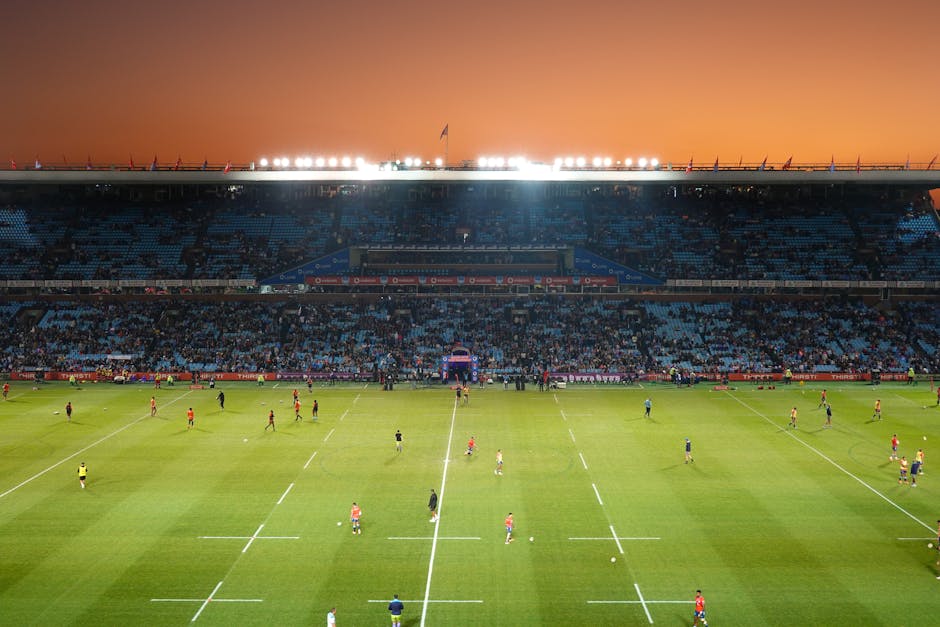
- Montpellier delivered a masterclass in physical rugby, overwhelming Ulster 59-26 in the 2024 European Challenge Cup.
- The French side crossed for nine tries, their most prolific performance in European competition, exploiting gaps in Ulster’s defensive line.
- Montpellier’s game plan was executed with surgical precision, taking advantage of the humid conditions that favored their dynamic and fresher squad.
- Billy Vunipola re-emerged as a force of nature, embodying the relentless forward dominance that proved too much for Ulster to contain.
- Ulster’s dream of ending a 20-year trophy drought unraveled early against Montpellier, whose ability to recycle possession and dominate the breakdown was key to their victory.
Under the sweltering lights of Bilbao’s San Mamés Stadium, Montpellier delivered a masterclass in physical rugby, overwhelming Ulster with a staggering 59-26 victory to claim the 2024 European Challenge Cup. The French side crossed for nine tries in total, their most prolific performance in European competition, as they exploited gaps in Ulster’s tiring defensive line. With humidity exceeding 80%, the conditions favored the more dynamic and fresher Montpellier squad, who executed their game plan with surgical precision. Billy Vunipola, once a cornerstone of England’s international setup, re-emerged as a force of nature, embodying the relentless forward dominance that proved too much for the Irish province to contain.
A Long-Awaited Triumph for Ulster—Cut Short

Ulster entered the final hoping to end a 20-year trophy drought, their last silverware dating back to the 2003–04 Celtic Cup. Buoyed by a tense, hard-fought semi-final win over Toulon, they carried the hopes of a passionate fanbase across northern Ireland. However, their dream unravelled early against a Montpellier side that had quietly built momentum throughout the tournament. While Ulster managed three tries of their own, including a spirited effort from Robert Baloucoune, their defensive discipline faltered under sustained pressure. The French club’s ability to recycle possession and dominate the breakdown—particularly through Vunipola and back-row partner Fulgence Ouedraogo—shifted the match’s momentum irreversibly by halftime, with Montpellier already leading 28-13.
Vunipola’s Resurgence Powers French Dominance

Billy Vunipola, who had not represented England since the 2023 Rugby World Cup and faced questions over his fitness and form, delivered a career-redefining performance in Bilbao. Starting at No. 8, the 31-year-old bulldozed through Ulster’s defensive lines with 22 carries, two tries, and countless post-contact meters. His physicality set the tone for Montpellier’s forward pack, which won the collision battle comprehensively. Alongside him, fly-half Benhard Janse van Rensburg orchestrated the backline with precision, while winger Timothée Muamba completed a hat-trick of tries—highlighting the breadth of Montpellier’s attacking threat. Ulster, by contrast, struggled to sustain phases, with their half-back pairing of John Cooney and Ian McKinley unable to control territory or tempo.
Tactical Mastery and Physical Superiority

The outcome reflected not just physical dominance but a superior tactical approach from Montpellier head coach Xavier Garbajosa. The French side targeted the fringes of rucks and mauls, using Vunipola as a battering ram to draw in defenders and create space out wide. Their set-piece execution was flawless, with a 100% success rate from lineout throws and two powerful driving mauls resulting in tries. In contrast, Ulster’s scrum—traditionally a strength—was repeatedly penalized, disrupting their rhythm. According to Reuters match analysis, Montpellier achieved 63% possession and 71% territory, a statistical testament to their control. Moreover, their bench impact was decisive, with replacement flanker Antoine Dupont—on a short-term loan—adding further intensity in the final quarter.
Consequences for Both Camps

The victory solidifies Montpellier’s status as a rising force in European rugby, joining Toulouse and La Rochelle as French clubs asserting dominance on the continental stage. For Ulster, the defeat raises pressing questions about their ability to compete at the highest level despite consistent domestic performances. Head coach Richie Murphy now faces scrutiny over selection and game management, particularly in high-stakes matches. The psychological toll of such a heavy final loss could linger, potentially affecting player morale and recruitment. Conversely, Montpellier’s success may attract higher-profile signings, enhancing their competitiveness in the Top 14 and setting the stage for a potential Heineken Champions Cup challenge next season.
Expert Perspectives
“Vunipola was simply unplayable,” said former Ireland international and BBC pundit Shane Horgan. “He brought a physical edge that Ulster had no answer for—this was forward dominance at its most effective.” Meanwhile, French rugby analyst Christophe Dominici Jr. emphasized the broader trend: “French clubs are investing not just in stars, but in systems. Montpellier’s win isn’t a fluke—it’s the result of long-term strategy.” However, some critics note that the gap between French and Irish provinces may reflect financial disparities, with Top 14 clubs outspending their URC counterparts by significant margins.
Looking ahead, Montpellier will aim to build on this momentum, with eyes already turning to next season’s Champions Cup draw. For Ulster, the focus must shift to rebuilding confidence and addressing tactical vulnerabilities. The question remains whether they can close the gap against Europe’s elite—especially as player turnover and salary cap constraints loom. One thing is certain: Billy Vunipola’s resurgence in Bilbao has rewritten his narrative and cemented Montpellier’s place in European rugby history.
Source: The Guardian