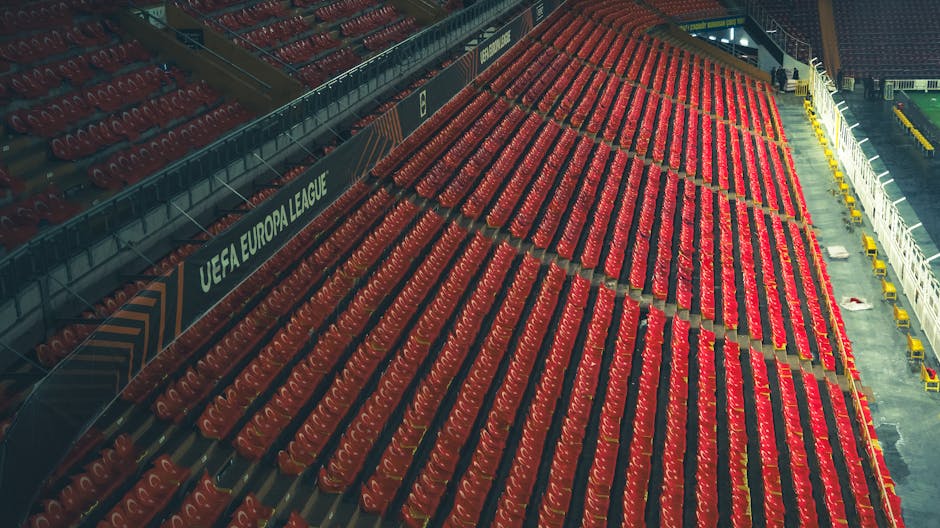
- Thousands of World Cup tickets, including those for US home matches, remain unsold ahead of the 2026 tournament.
- FIFA and local organizers report sluggish sales, particularly for group-stage matches involving the US men’s national team.
- The global governing body is scrambling to understand what’s gone wrong and how to fix it before kickoff.
- Rising soccer popularity in the US is not translating into ticket purchases for the World Cup.
- Casual fans are skeptical about the value of World Cup tickets, despite gains in MLS and youth development.
Why are thousands of tickets for the 2026 FIFA World Cup—including those for United States home matches—still unsold just months before the tournament begins? The event, co-hosted by the U.S., Canada, and Mexico, was expected to be the most commercially successful in soccer history, with record attendance projections fueled by growing interest in the sport across North America. Yet, as of early 2025, FIFA and local organizers report sluggish sales, particularly for group-stage matches involving the U.S. men’s national team. This raises urgent questions about fan enthusiasm, ticket pricing, and whether the momentum from recent investments in MLS and player development is translating into live-event demand. With venues like SoFi Stadium and MetLife Stadium only partially filled on paper, the global governing body is scrambling to understand what’s gone wrong—and how to fix it before kickoff.
Is the U.S. Soccer Boom Fizzling Before the World Cup?

The direct answer is no—the broader trend of rising soccer popularity in the United States remains intact, but enthusiasm isn’t uniformly translating into ticket purchases for the World Cup. While Major League Soccer has expanded to 30 teams and attracted global stars like Lionel Messi, and U.S. Soccer has invested heavily in youth development and marketing, these gains haven’t yet overcome skepticism among casual fans about the value of World Cup tickets. FIFA officials point to aggressive anti-scalping measures, complex tiered pricing, and delayed fixture clarity as contributing factors. Additionally, many fans may be waiting for playoff-stage matches before committing, assuming group-stage games are less critical. However, the scale of unsold inventory—estimated at over 15,000 tickets across U.S. venues for USA games—suggests deeper issues around accessibility and perception of cost. Organizers now face the challenge of reigniting demand without devaluing the event.
What Do the Numbers and Experts Say?

Data from FIFA’s ticketing portal shows that as of March 2025, venues like AT&T Stadium in Dallas and Arrowhead Stadium in Kansas City have filled less than 65% of allocated seats for U.S. group-stage fixtures. Internal reports, cited by Reuters, indicate that mid-tier ticket packages priced between $400 and $700 are the least popular, suggesting a disconnect with middle-income fans. “The pricing model assumes a level of disposable income that doesn’t reflect the average American sports fan,” says Dr. Elena Torres, a sports economist at the University of Michigan. “Soccer’s growth has been real, but it’s still competing with the NFL, NBA, and MLB for attention and spending.” Meanwhile, FIFA has launched a targeted campaign with U.S. Soccer to promote family bundles and local fan zones, hoping to boost grassroots engagement. Still, BBC Sport analysis notes that international demand for matches in Mexico and Canada has outpaced U.S. sales, reversing early projections.
Are There Alternative Explanations for Low Sales?

Some analysts argue that labeling the situation a “crisis” is premature. Skeptics note that previous World Cups, including Brazil 2014 and Russia 2018, saw last-minute surges in ticket purchases after team qualification and fixture finalization. “People are waiting to see who the U.S. will play,” says sports marketing consultant Marcus Lee. “Without knowing opponents, it’s hard to justify travel and time off work.” Others point to the unprecedented scale of the 2026 tournament—48 teams, 104 matches, 16 host cities—as diluting fan focus. With so many games spread across North America, supporters may feel less urgency to attend early rounds. Additionally, digital viewing options have improved dramatically; streaming platforms now offer immersive experiences that rival in-stadium attendance for some fans. There’s also evidence that younger, digitally native fans prioritize social media engagement over physical attendance, which could reshape how FIFA measures success beyond ticket counts.
What Are the Real-World Consequences of Empty Seats?

Empty seats at USA games could dampen the tournament’s atmosphere and global perception of soccer’s U.S. footprint. High-profile matches played in half-full stadiums risk sending a message that America isn’t ready to lead on the world soccer stage, undermining years of strategic investment. Local economies in host cities, which anticipated hotel bookings, restaurant traffic, and tourism revenue, may see diminished returns. Kansas City officials, for instance, projected $40 million in economic impact from its three World Cup matches, but now face revised forecasts. Moreover, low attendance could affect future FIFA decisions about hosting rights and media rights valuations in the U.S. market. On a symbolic level, a lackluster fan turnout could embolden critics who argue that soccer remains a niche sport in the U.S., despite demographic shifts and youth participation gains. Organizers are now exploring last-minute partnerships with schools, fan clubs, and corporate sponsors to fill gaps.
What This Means For You
If you’re a soccer fan in the U.S., now may be the time to secure tickets at reduced prices or special promotions as FIFA pushes to fill stadiums. It’s also an opportunity to support the growth of the sport locally by attending games and participating in fan events. For casual observers, the ticketing slowdown is a reminder that popularity doesn’t always equal commercial momentum—and that live sports rely on collective enthusiasm to thrive. The success of the 2026 World Cup isn’t just measured in goals or trophies, but in whether fans show up.
Will last-minute demand save the 2026 World Cup’s U.S. attendance outlook, or does this signal a deeper challenge in converting soccer’s growing popularity into live-event engagement? As kickoff approaches, the answer could reshape how global sports events are marketed in the world’s largest economy.
Source: Reddit