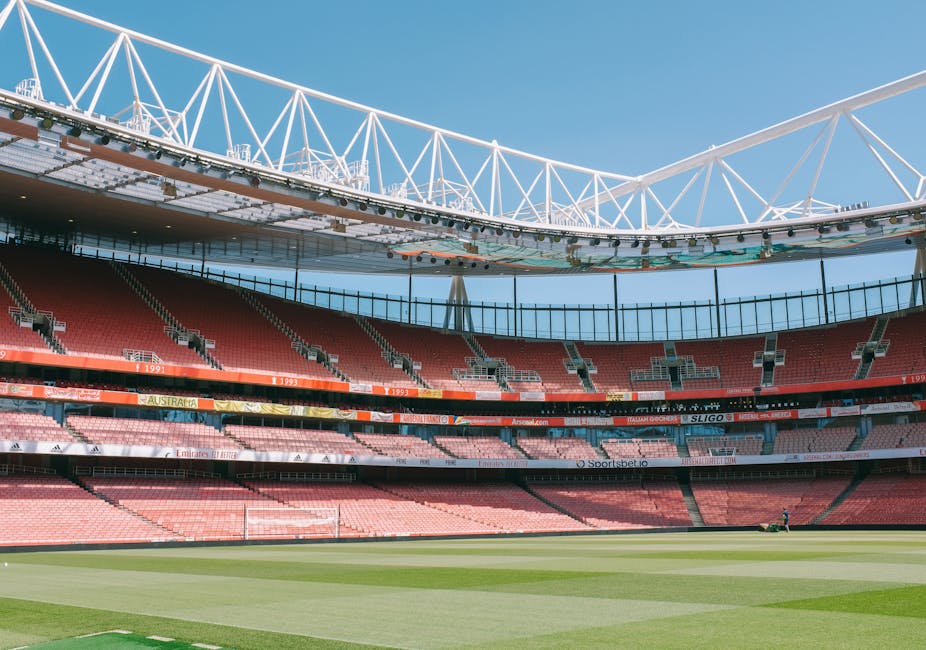
- Arsenal Football Club has become a culturally dominant team by cultivating an identity rooted in aesthetics, inclusivity, and digital presence.
- The club’s branding, often referred to as ‘Wenger’s Arsenal,’ emphasizes technical football, diverse rosters, and a philosophical approach to the game.
- Arsenal’s deliberate cultivation of a distinctive identity has helped the team thrive despite not winning a Premier League title since 2004.
- The club’s focus on style over silverware has resonated with young people, fashion influencers, and creative professionals across continents.
- Arsenal’s transformation into a lifestyle brand has made it a household name, even in non-traditional football markets.
How has Arsenal Football Club become one of the most culturally dominant football teams in the world despite not winning a Premier League title since 2004? In an era where success is often measured by trophies, the North London club has defied convention—growing its fanbase among young people, fashion influencers, and creative professionals across continents. While rivals like Manchester City and Liverpool piled up silverware, Arsenal cultivated an identity rooted in aesthetics, inclusivity, and digital presence. The question isn’t just about sport anymore; it’s about how a football club transformed into a lifestyle brand, resonating as strongly in Tokyo streetwear circles as in London pubs. What strategies allowed Arsenal to thrive where others with more wins have not?
The Identity Gap: Style Over Silverware

The answer lies in Arsenal’s deliberate cultivation of a distinctive identity that transcends traditional metrics of success. Unlike clubs that promote a narrative of relentless winning or working-class grit, Arsenal has leaned into a more cerebral, stylish image—one associated with intelligence, elegance, and progressive values. This branding, often summarized by the phrase “Wenger’s Arsenal” (a nod to former manager Arsène Wenger), emphasized technical football, diverse rosters, and an almost philosophical approach to the game. Even after Wenger’s departure in 2018, the club retained this cultural DNA. Young fans weren’t just drawn to the team’s play; they identified with its ethos. A 2022 study by BBC Sport noted that Arsenal ranked first among Premier League clubs in social media engagement with audiences aged 18–24, particularly in fashion and music-adjacent communities.
Data-Driven Dominance in Digital Culture

Arsenal’s cultural reach is backed by measurable trends in media, fashion, and digital engagement. The club’s collaboration with streetwear brand Aries in 2021, which sold out within hours, signaled a shift in how football kits are consumed—not just as sports apparel but as fashion statements. Spotify data from 2023 revealed that “North London Forever” was among the most-streamed club anthems globally, especially in non-traditional football markets like South Korea and Brazil. Additionally, Arsenal’s TikTok channel saw a 300% increase in followers between 2020 and 2023, with content focusing less on match highlights and more on behind-the-scenes culture, player personalities, and community initiatives. According to Reuters, the club’s off-pitch revenue from merchandising and digital content grew by 47% over five years—outpacing several title-winning clubs.
Skeptics Question Long-Term Sustainability

Still, critics argue that cultural capital cannot replace competitive success indefinitely. Some longtime fans worry that prioritizing aesthetics and influencer partnerships risks alienating the traditional supporter base. “When I grew up, supporting Arsenal meant hoping we’d win something,” said Mike Dunnett, a season-ticket holder since 1987, in an interview with The Guardian. “Now it feels like the club markets itself as a vibe.” Others point to the lack of Champions League finals or league titles as evidence that the cultural boom may be a bubble. Analysts at ESPN have cautioned that while digital engagement is valuable, it doesn’t translate directly into sustained on-pitch performance. Moreover, as rival clubs like Chelsea and Manchester United invest heavily in similar cultural strategies, Arsenal’s first-mover advantage in this space may be narrowing.
Real-World Impact on Fandom and Urban Culture

The cultural shift has tangible effects beyond jersey sales. In cities like Lagos, Berlin, and Melbourne, Arsenal supporter clubs have evolved into social hubs that blend football viewing with art exhibitions, live music, and political discussion. The club’s official fanzine, “The Gooner,” now hosts pop-up events in Brooklyn and Seoul. In London, the Emirates Stadium has become a destination not just for matches, but for walking tours and photography workshops. Schools in Tower Hamlets have incorporated Arsenal’s diversity initiatives into citizenship programs. Even musicians like Slowthai and Jorja Smith have referenced the club in lyrics, reinforcing its status as a cultural touchstone. This blend of football and lifestyle has redefined what it means to be a fan—not just someone who watches games, but someone who aligns with a broader worldview.
What This Means For You
If you’re a fan—or even just an observer of modern culture—Arsenal’s rise offers a lesson in how identity can rival achievement in shaping loyalty and influence. It suggests that in the digital age, emotional resonance and aesthetic coherence can be as powerful as trophies. For other sports organizations, the message is clear: success isn’t just about winning; it’s about storytelling, inclusion, and staying culturally relevant. Supporting a team can now be an act of self-expression, not just allegiance.
But the ultimate question remains: can a club sustain global cultural dominance without the validation of major trophies? As Arsenal pushes for its first Premier League title in two decades, the world is watching—not just to see if they win, but to see whether culture can finally be crowned.
Source: Financial Times