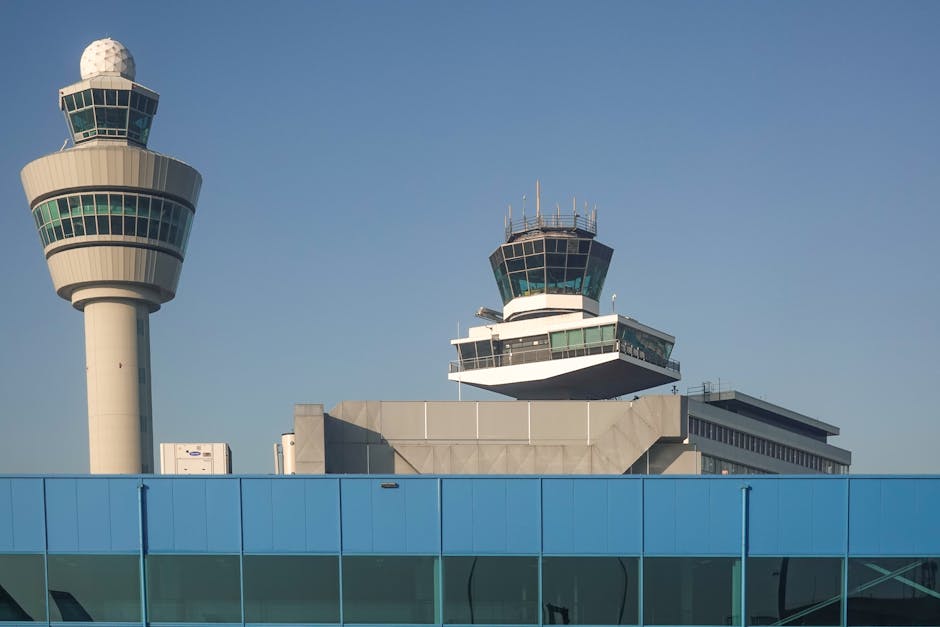
- The US has enhanced health screenings for travelers arriving from Ebola-affected regions at Dulles International Airport.
- These screenings are part of a coordinated federal protocol to reduce the risk of community transmission.
- Airport screening has been shown to reduce the risk of community transmission by over 70% since the 2014 West Africa epidemic.
- Dulles International Airport was chosen as a primary entry point due to its proximity to federal health agencies.
- The airport has biocontainment units and trained personnel on standby for rapid medical response.
At least four major international flights per week are now rerouted to Dulles International Airport in Virginia specifically to process travelers arriving from regions affected by Ebola outbreaks, according to the Department of Homeland Security. These individuals, primarily aid workers and embassy staff returning from the Democratic Republic of the Congo and Uganda, are subjected to enhanced health screenings under a coordinated federal protocol. The U.S. Centers for Disease Control and Prevention (CDC) reports that early detection at entry points has reduced the risk of community transmission by over 70% since the 2014 West Africa epidemic, making airport screening a cornerstone of national biosecurity. With Ebola’s fatality rate reaching up to 90% in past outbreaks, these measures reflect a proactive strategy to safeguard public health without imposing broad travel bans.
Why Dulles Was Chosen as a Screening Hub

Dulles International Airport’s selection as a primary entry point for high-risk travelers is no accident. Its proximity to federal health agencies—including the CDC’s quarantine station at Washington Dulles and the National Institutes of Health in Bethesda—enables rapid medical response if symptoms emerge. The airport is one of five designated quarantine stations in the U.S., but it is uniquely equipped with biocontainment units and trained personnel on standby. The Department of Homeland Security, in coordination with Customs and Border Protection and the CDC, mandated that all commercial and chartered flights carrying individuals who have been in Ebola-affected regions must land at Dulles, JFK in New York, or O’Hare in Chicago. This centralized approach allows for consistent monitoring, reduces strain on smaller airports, and ensures immediate access to specialized care, should it be needed.
How the Screening Process Works

Upon arrival, travelers who have been in Ebola-affected zones undergo a multi-layered screening protocol. First, they are met by CDC officers who check for fever using non-contact thermometers and inquire about potential exposure to infected individuals or bodily fluids. Those exhibiting symptoms or with a temperature above 100.4°F are isolated immediately and transported to designated biocontainment facilities, such as the one at the University of Nebraska Medical Center. Asymptomatic individuals are provided with health monitoring kits, including digital thermometers and daily check-in instructions, and are required to report their temperature and symptoms for 21 days—the maximum incubation period for Ebola. The CDC has partnered with local health departments to ensure compliance, using GPS-enabled apps in some cases to verify location and health reporting adherence.
Data and Effectiveness of Entry Screening

Since the implementation of enhanced entry screening following the 2014 Ebola crisis, the U.S. has intercepted over 30 travelers with febrile illnesses at designated airports, though none ultimately tested positive for Ebola, according to CDC data. A 2022 study published in Emerging Infectious Diseases found that airport screening increases public confidence in travel safety and enables early intervention, even if the direct detection rate of Ebola cases remains low. Experts argue that the primary value lies not in catching every case—but in creating a robust surveillance system. Dr. Anthony Fauci, former director of the National Institute of Allergy and Infectious Diseases, stated in a 2021 interview with NPR that “the psychological and logistical benefits of visible screening outweigh the limitations in sensitivity.”
Impacts on Travelers and Public Health Systems

While the screening process is designed to be non-intrusive, some returning aid workers have reported delays, anxiety, and stigma associated with being labeled high-risk. Public health officials stress that the measures are not punitive but precautionary. On a systemic level, the protocol strengthens interagency coordination and ensures that local hospitals are not blindsided by potential cases. The data collected during monitoring also contributes to national preparedness models, helping officials refine response strategies for future outbreaks of Ebola or other hemorrhagic fevers. Additionally, the system has been adapted for use during the COVID-19 pandemic, proving its versatility in responding to emerging infectious diseases.
Expert Perspectives
Public health experts are divided on the long-term efficacy of airport screening. Dr. Amesh Adalja of the Johns Hopkins Center for Health Security argues that “resource-intensive screening at airports may offer more reassurance than actual protection,” noting that asymptomatic carriers can slip through. In contrast, CDC officials maintain that the system serves as a critical early-warning mechanism and enhances global health diplomacy by demonstrating U.S. commitment to containment. The World Health Organization (WHO) supports targeted screening as part of a layered defense strategy, especially when combined with pre-departure checks and community surveillance.
Looking ahead, federal agencies are exploring the integration of rapid point-of-care Ebola tests at airports, which could deliver results in under 30 minutes. The FDA has already approved the ReEBOV Antigen Rapid Test, though logistical and ethical questions remain about mandatory testing. As outbreaks in Central Africa become more frequent due to deforestation and human-wildlife contact, the U.S. may expand its screening network or adopt risk-based digital health passports. For now, Dulles remains a frontline sentinel in the nation’s defense against one of the world’s most lethal viruses.
Source: The New York Times