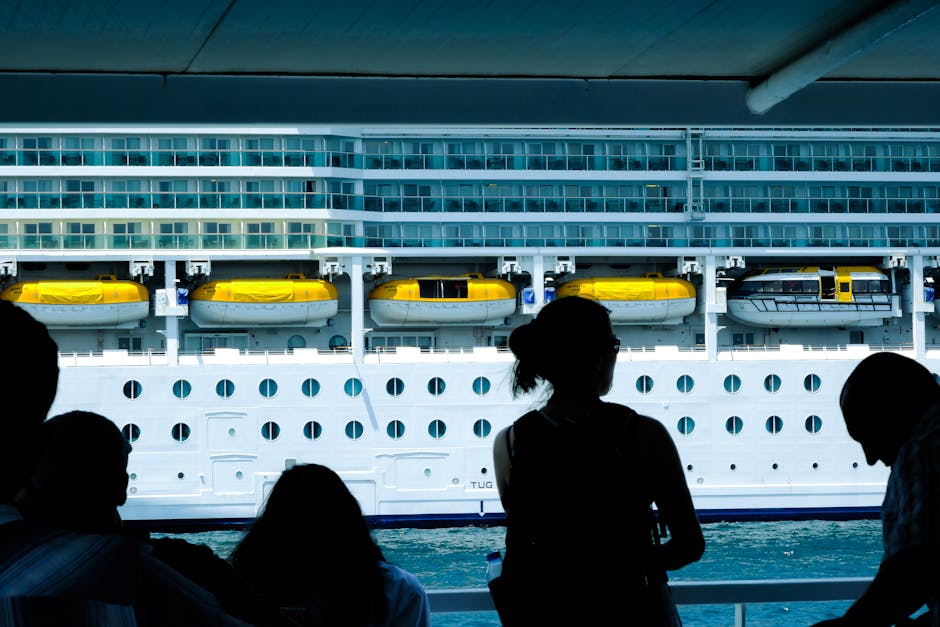
- A new hantavirus case has been confirmed in a crew member of the MV Hondius cruise ship, highlighting the risk of zoonotic diseases in confined maritime environments.
- Hantavirus is primarily transmitted through rodent excreta, but its appearance in an international traveler raises concerns about surveillance and containment in high-mobility settings.
- Global health authorities are intensifying surveillance of zoonotic pathogens with pandemic potential, including hantavirus, due to its severe flu-like symptoms and high case fatality rates.
- Cruise ships operating in ecologically sensitive regions like the Arctic are particularly vulnerable to emerging infectious diseases like hantavirus.
- Hantavirus infections are relatively rare, with fewer than 200,000 reported annually, but case fatality rates can exceed 40% in some regions.
In a rare but alarming development, the World Health Organization (WHO) has confirmed a new hantavirus case in a crew member of the MV Hondius, an expedition cruise ship that recently docked in Spain’s Canary Islands. The individual, a Dutch national, disembarked due to illness and was repatriated to the Netherlands for treatment, where the diagnosis was confirmed. Hantavirus, a zoonotic disease primarily transmitted through rodent excreta, is not typically spread from person to person, but its appearance in an international traveler has reignited concerns about surveillance and containment in high-mobility settings. Globally, fewer than 200,000 hantavirus infections are reported annually, but case fatality rates can exceed 40% in some regions, particularly in South America where the Andes virus strain circulates. This latest case underscores the vulnerability of confined maritime environments to emerging infectious diseases.
Why This Case Matters Now

The confirmation of a hantavirus infection in a cruise ship crew member comes at a time when global health authorities are intensifying surveillance of zoonotic pathogens with pandemic potential. Unlike more familiar respiratory viruses, hantavirus pulmonary syndrome (HPS) and hemorrhagic fever with renal syndrome (HFRS) present with severe flu-like symptoms that rapidly progress to life-threatening respiratory or kidney failure. The MV Hondius operates in ecologically sensitive regions, including the Arctic and Antarctic, where human-rodent interactions may be limited but not absent. However, ships themselves can harbor rodents during supply loading, particularly in tropical or subtropical ports. The Canary Islands, where the crew member disembarked, are a major cruise hub connecting Europe, Africa, and the Americas, raising concerns about cross-border transmission risks. With limited treatments and no widely available vaccine, early detection and isolation are critical—making this case a test of global health coordination.
Timeline and Response Efforts

The infected individual began showing symptoms—including fever, muscle aches, and fatigue—while the MV Hondius was en route from Antarctica to the Canary Islands. After docking in Santa Cruz de Tenerife, the crew member was medically evacuated and flown to a specialized infectious disease unit in the Netherlands. Dutch health authorities, in coordination with Spanish and WHO teams, launched a contact tracing operation focusing on close shipboard interactions. The WHO confirmed the diagnosis through serological testing at a reference laboratory, identifying antibodies consistent with the Seoul virus, a strain commonly associated with brown rats (Rattus norvegicus). The ship, operated by Oceanwide Expeditions, underwent a full pest control inspection and sanitation protocol under local health supervision. No secondary cases have been reported among the remaining crew or passengers, but monitoring continues for 42 days—the maximum incubation period for hantavirus.
Transmission Risks and Environmental Factors

Hantavirus transmission typically occurs when humans inhale aerosolized particles from rodent urine, droppings, or saliva, particularly in poorly ventilated or cluttered spaces. Cruise ships, despite stringent hygiene standards, can inadvertently support rodent infestations through food supply chains or cargo transfers. The Seoul virus, implicated in this case, is known to spread via urban rats and has previously caused outbreaks in port cities and laboratory settings. According to the U.S. Centers for Disease Control and Prevention, cases linked to rodent exposure in occupational or residential settings remain the norm, but travel-associated infections highlight systemic gaps in biosecurity. Climate change and increased global travel may be expanding the geographic range of rodent hosts, thereby increasing exposure risks. Experts stress that while person-to-person transmission is rare, the Andes virus strain has demonstrated limited human-to-human spread, raising the stakes for rapid identification and isolation protocols in mobile populations.
Impact on Crew, Travel Industry, and Public Health

The confirmed case has immediate implications for the cruise industry, which is still rebuilding trust after the disruptions of the COVID-19 pandemic. While the MV Hondius incident does not suggest widespread contamination, it reinforces the need for enhanced biosecurity measures, including rodent monitoring, crew health screenings, and rapid response frameworks for suspected zoonotic infections. The affected crew member remains in stable condition, and no passengers are currently under quarantine. However, public health agencies in the Netherlands, Spain, and beyond are reviewing protocols for handling suspected viral hemorrhagic fevers in maritime contexts. For the general public, the risk remains low, but the case serves as a reminder of how interconnected global health systems are—especially in the face of pathogens that thrive at the human-animal-environment interface.
Expert Perspectives
Dr. Maria van Kleef, a zoonotic disease specialist at the European Centre for Disease Prevention and Control, emphasized that “this case highlights the importance of maintaining vigilance even for rare diseases in mobile populations.” In contrast, some maritime health advisors argue that the existing International Health Regulations (IHR) are sufficient if properly enforced. “Cruise ships already operate under strict sanitary codes; what’s needed is better integration of port health authorities with national and international surveillance networks,” noted Dr. Luis Fernandez, a public health consultant with the World Health Organization. While consensus exists on the low public risk, experts agree that proactive monitoring is essential to prevent isolated cases from escalating.
Looking ahead, health authorities will monitor for additional cases linked to the MV Hondius and assess whether the Seoul virus strain has established any foothold in new rodent populations. Ongoing genomic sequencing of the isolate may reveal whether the virus has undergone mutations that affect transmissibility. As global travel rebounds, the intersection of wildlife, urban infrastructure, and human mobility will remain a critical frontier for pandemic preparedness—making this hantavirus case not just an outlier, but a signal worth heeding.
Source: MedicalXpress