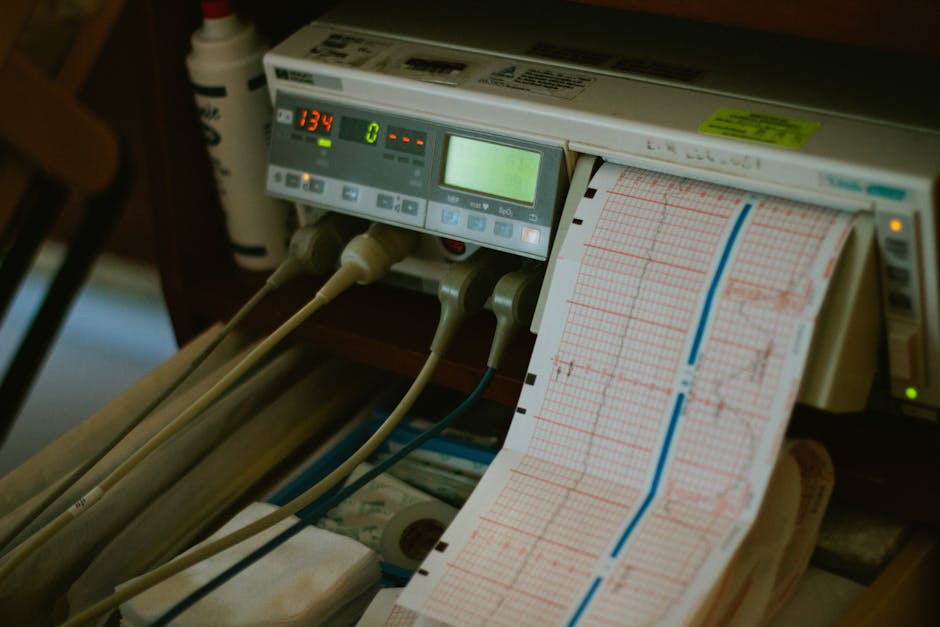
- Seemingly healthy teenagers and young adults are dying suddenly from undiagnosed heart conditions, often referred to as the ‘invisible killer’.
- Sudden cardiac death in young individuals is often caused by inherited or congenital heart abnormalities that go undetected until it’s too late.
- Routine cardiac screening for adolescents could potentially prevent these tragedies and save lives.
- Conditions such as hypertrophic cardiomyopathy and long QT syndrome can disrupt the heart’s electrical system, leading to fatal arrhythmias.
- Early detection of heart conditions through cardiac screening could significantly reduce the risk of sudden cardiac death in young people.
Why are seemingly healthy teenagers and young adults collapsing and dying without warning? Across the UK and beyond, families are grappling with the devastating loss of children whose deaths are later linked to undiagnosed heart conditions—often labeled the ‘invisible killer.’ These sudden cardiac events strike without symptoms, leaving communities in shock and demanding answers. As more cases emerge, a growing chorus of bereaved parents, cardiologists, and public health advocates are asking: Could routine cardiac screening for adolescents prevent these tragedies? With medical data suggesting that early detection could save lives, the debate over implementing a national screening program has never been more urgent.
What Is Causing Sudden Cardiac Death in the Young?

Sudden cardiac death (SCD) in individuals under 35 is often caused by inherited or congenital heart abnormalities that go undetected until it’s too late. Conditions such as hypertrophic cardiomyopathy (HCM), long QT syndrome, and arrhythmogenic right ventricular cardiomyopathy (ARVC) can disrupt the heart’s electrical system, leading to fatal arrhythmias during physical activity—or even at rest. While rare, these conditions affect approximately 1 in 500 people, according to the British Heart Foundation. Because symptoms like fainting, dizziness, or palpitations are often dismissed as benign or attributed to anxiety or dehydration, many cases go unnoticed. The tragedy lies in the silence of the disease—until a sudden collapse becomes the first and last sign.
What Evidence Supports Widespread Screening?

Studies from Italy, where mandatory pre-participation cardiac screening for athletes has been in place since the 1980s, show a 90% reduction in sudden cardiac death among young competitors. This success has fueled advocacy for similar programs elsewhere. Electrocardiograms (ECGs) and, in some cases, echocardiograms can detect irregularities in heart rhythm and structure long before symptoms appear. A 2022 study published in The New England Journal of Medicine found that systematic ECG screening in adolescents identified previously undiagnosed conditions in 1.5% of participants—many of whom were able to receive life-saving interventions like beta-blockers or implantable defibrillators. Advocacy groups like Cardiac Risk in the Young (CRY) point to these findings as proof that early detection works, emphasizing that the cost of screening—estimated at £35 per ECG—is minimal compared to the human cost of preventable loss.
Are There Risks or Limitations to Universal Screening?

Despite the compelling data, not all experts agree that universal cardiac screening is the answer. Skeptics, including some cardiologists and health economists, argue that widespread ECG programs could lead to overdiagnosis, unnecessary anxiety, and false positives—particularly in diverse populations where normal ECG patterns vary by ethnicity and athletic training. The UK National Screening Committee has historically opposed routine ECG screening, citing insufficient evidence of cost-effectiveness and concerns about burdening the NHS with follow-up testing for borderline cases. Additionally, some rare conditions may not be detectable even with advanced imaging, meaning screening isn’t a guarantee of safety. Critics also note that focusing solely on ECGs might divert resources from other public health priorities, such as mental health or diabetes prevention, without a proportional impact on overall youth mortality.
How Are Families Driving Change on the Ground?

Bereaved families have become powerful catalysts for change, turning personal grief into public action. After losing their 17-year-old son to undiagnosed HCM, one couple founded a charity that has provided free ECG screenings to over 10,000 teenagers across England. In Scotland, a petition led by parents who lost children to sudden arrhythmic death syndrome (SADS) gathered over 50,000 signatures, prompting parliamentary debate on national screening policy. Schools and sports clubs are increasingly partnering with medical charities to offer voluntary screening days, while some private clinics now market ‘teen heart health checks’ directly to parents. These grassroots efforts highlight a growing demand for access to preventive care—even in the absence of official policy. Each story underscores a common refrain: no family should receive a death certificate citing ‘unexplained cardiac arrest’ when early detection could have changed the outcome.
What This Means For You
If you’re a parent, coach, or educator, understanding the signs of potential heart issues in young people could be life-saving. While universal screening is not yet policy, knowing your family’s cardiac history, paying attention to fainting episodes during exercise, and seeking evaluation after unexplained collapses are critical steps. Some private and charitable programs offer affordable ECG screenings, and discussions with a GP about risk factors can guide next steps. Though not every case can be prevented, increased awareness and targeted testing can significantly reduce risk.
As science advances and public pressure mounts, the question remains: should cardiac screening become as routine as vaccinations or vision tests for teenagers? And if so, how can healthcare systems implement it equitably and effectively? The answer may lie in a hybrid model—targeted screening for high-risk groups, expanded access through schools, and continued research into cost-effective protocols. For now, the voices of grieving families continue to echo: early detection isn’t just medical policy. It’s a matter of life and death.
Source: BBC