- A ‘Sexy Garden’ at Chelsea Flower Show is making waves with its immersive exhibit on plant reproduction.
- The garden, designed by Dr. Elara Finch, reframes pollination as a sensual, urgent narrative.
- Dr. Finch’s exhibit aims to educate and provoke visitors about the importance of pollination for food security and biodiversity.
- The garden features winding floral corridors, sculptural details of anthers and stigmas, and audio recordings of buzzing bees.
- The exhibit challenges societal norms by portraying natural processes like pollination as central to our lives.
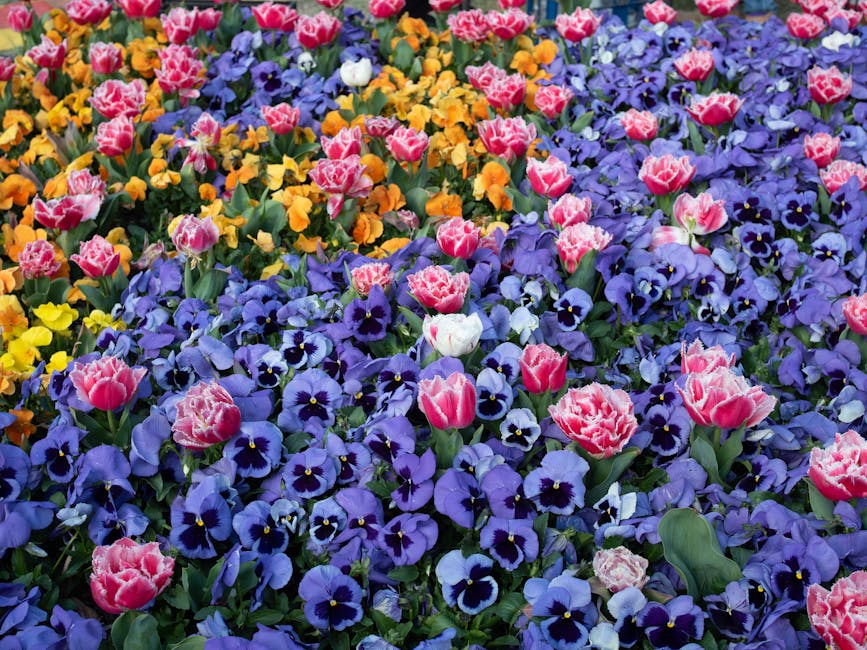
More than 156,000 visitors are expected to attend the 2024 Chelsea Flower Show, but one garden has already dominated social media and horticultural debate: a lush, immersive exhibit that frames plant reproduction not as a botanical footnote, but as nature’s central drama. Designed by horticulturist and ecological advocate Dr. Elara Finch, the installation features winding floral corridors, strategically placed anthers and stigmas rendered in sculptural detail, and audio recordings of buzzing bees layered with soft, ambient music. Described by one visitor as “a greenhouse of desire,” the garden forces a conversation about how society portrays—and often sanitizes—natural processes essential to food security and biodiversity.
The Blooming of a Bold Idea

For over a century, the Chelsea Flower Show has celebrated elegance, order, and floral perfection—think manicured lawns, symmetrical topiaries, and prize-winning roses. But in an era of climate crisis and pollinator decline, Dr. Finch argues that gardens must do more than please the eye; they must educate and provoke. Her exhibit, titled “Pollen & Passion: The Secret Life of Plants,” reframes pollination as a sensual, urgent narrative. “We talk about bees and butterflies as garden ornaments,” she said in a BBC interview, “but their behavior is driven by reproductive imperatives as intense as any in the animal kingdom.” By highlighting the erotic undercurrents of plant biology, the garden aims to deepen public engagement with ecological fragility.
Design That Dares to Seduce

“Pollen & Passion” occupies a 40-square-meter plot in the show’s Discovery Zone, a section dedicated to experimental and educational projects. The garden’s layout mimics the anatomy of a flower, with visitors walking through a fleshy, petal-like entrance into a central chamber dominated by oversized, anatomically correct blooms. Red and gold heliconias, deep-purple monkshood, and phallic-shaped calla lilies are arranged to suggest courtship and fertilization. Scent diffusers emit pheromone-like fragrances at intervals, while infrared sensors trigger recordings of bee wingbeats when visitors approach certain plants. Critics have noted the deliberate use of lighting—soft, warm glows that shift throughout the day—to evoke diurnal pollination cycles. The design has drawn comparisons to surrealist art installations, but Finch insists the intent is scientific: “Every curve, color, and scent is an evolutionary signal. This is biology dressed as theater.”
Why Plant Sex Matters Now

The garden arrives amid growing alarm over pollinator collapse. According to a 2023 report by the Center for Ecology & Hydrology, one in ten bee species in the U.K. is at risk of extinction, threatening the reproduction of 80% of flowering plants and over three-quarters of global food crops. Finch’s exhibit underscores that pollination is not a passive process but a complex, co-evolved dance between species. Her team collaborated with botanists from Kew Gardens to ensure taxonomic accuracy, embedding QR codes that link to videos explaining how nectar guides, ultraviolet patterns, and floral heat attract specific pollinators. “When we ignore the reproductive mechanics of plants,” Finch warns, “we risk underestimating the fragility of the systems that feed us.”
Reactions: From Awe to Discomfort

Public response has been polarized. While many praise the garden’s creativity and educational value, others have criticized it as inappropriate for a family event. The Daily Mail ran a front-page headline: “Is This the End of Decency at Chelsea?” Meanwhile, younger audiences have embraced the exhibit, with TikTok videos garnering millions of views under hashtags like #SexyGarden and #PlantLove. Some horticultural traditionalists argue that the show should remain a sanctuary of beauty, not biology. Yet supporters, including the Royal Horticultural Society (RHS), which organizes the event, have defended the installation as a necessary evolution. “Gardens have always reflected cultural values,” said RHS director Clare Matthews. “Today, those values include climate awareness and ecological literacy.”
Expert Perspectives
Botanist Dr. Naomi Kline from the University of Cambridge calls the exhibit “a brilliant pedagogical tool,” noting that plant reproduction is often taught in textbooks as a sterile diagram. “Making it visceral helps people remember,” she said. In contrast, garden historian Dr. Julian Heslop cautions against anthropomorphism, warning that “sexualizing plants risks trivializing their biology.” Still, both agree the conversation it sparks is valuable. As Kline puts it: “If a garden makes people stop, look, and ask, ‘Why is that flower shaped like that?’—it’s done its job.”
As the Chelsea Flower Show continues, “Pollen & Passion” remains one of the most talked-about exhibits. Its long-term impact may extend beyond visitor numbers: Finch hopes to tour the installation to schools and botanical gardens. The deeper question it raises—how we represent and relate to nature’s most fundamental processes—has only just begun to bloom.
Source: The New York Times