- Former Cuban President Raul Castro has been formally charged with murder in connection with a 1996 Cuban airstrike.
- The incident resulted in the deaths of four American citizens, including Mario de la Peña, Carlos Costa, Armando Alejandre Jr., and Pablo Morales.
- The U.S. investigation relied on declassified intelligence and testimony from former Cuban military personnel.
- Raul Castro allegedly approved the military action despite knowing the planes posed no threat.
- The case marks a rare legal action against a former foreign head of state.
The United States has formally charged Raul Castro, former president and longtime leader of Cuba, with murder in connection with a 1996 Cuban military operation that shot down two civilian aircraft over international waters, killing four people. The indictment, unsealed late Tuesday, alleges that Castro, then serving as Minister of the Revolutionary Armed Forces, played a central role in authorizing the downing of the planes operated by the exile group Brothers to the Rescue. The case marks a rare legal action against a former foreign head of state and reflects ongoing U.S. efforts to hold Cuban officials accountable for alleged human rights violations.
Cuban Airstrike and U.S. Investigation

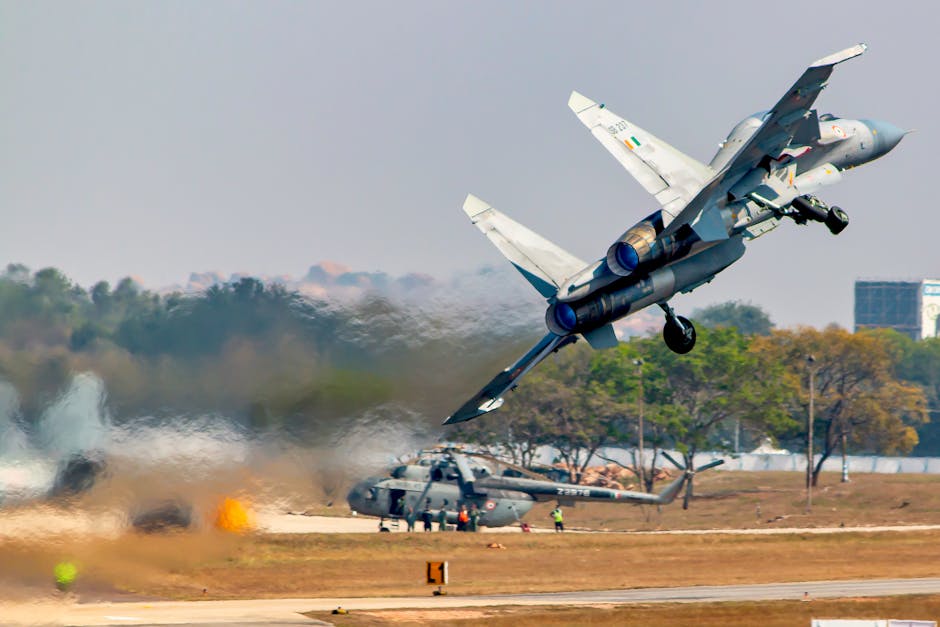
The incident occurred on February 24, 1996, when Cuban fighter jets intercepted and destroyed two unarmed Cessna aircraft near the Florida Straits. All four individuals on board—American citizens Mario de la Peña, Carlos Costa, Armando Alejandre Jr., and Pablo Morales—were killed. According to U.S. federal prosecutors, Raul Castro, acting under the direction of his brother Fidel, approved the military action despite knowing the planes posed no threat. The investigation, led by the FBI and Department of Justice, relied on declassified intelligence and testimony from former Cuban military personnel. As Reuters reported, the charges include murder and conspiracy to commit murder under U.S. federal law.
Diplomatic and Political Fallout

Cuban state media dismissed the indictment as politically motivated and legally baseless, calling it “another act of imperial aggression.” The Cuban government maintains that the planes violated Cuban airspace and were engaged in destabilizing activities. Meanwhile, U.S. officials, including Secretary of State Antony Blinken, affirmed that the charges underscore America’s commitment to justice for victims of state violence. Human rights groups have welcomed the move, viewing it as a symbolic step toward accountability, though legal experts note that Castro, now 92 and residing in Cuba, is unlikely to face trial in the U.S.
Where This Stands Now

As of now, Raul Castro remains in Cuba, and there is no extradition treaty between Havana and Washington, making prosecution highly improbable. However, the indictment freezes any U.S.-based assets linked to Castro and could complicate international travel. Analysts suggest the charges are primarily symbolic but signal a renewed focus on historical human rights abuses in U.S. foreign policy. The Justice Department stated it will continue pursuing accountability for acts of violence against American citizens abroad.
Source: News