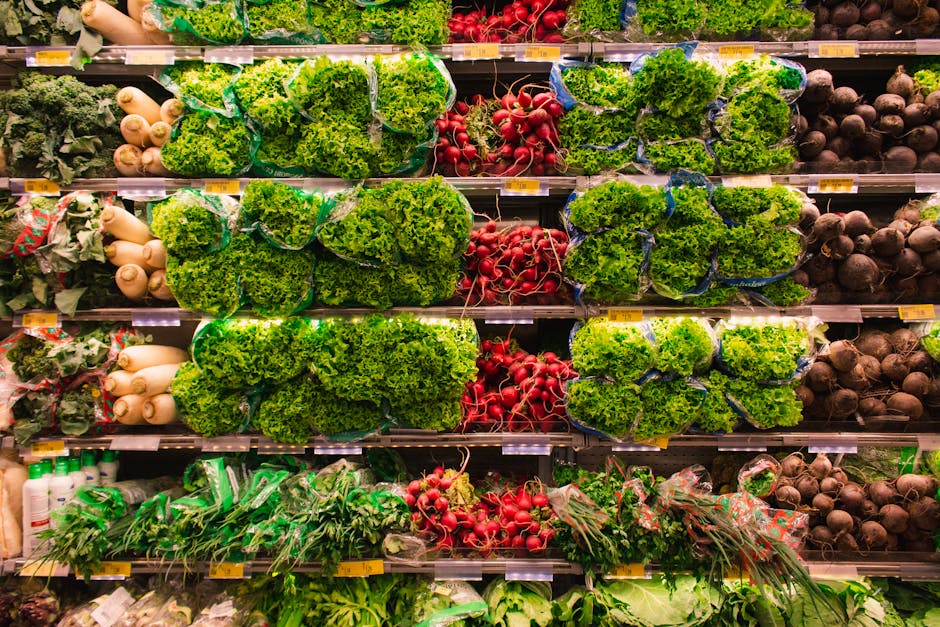
- A low-fat vegan diet resulted in greater weight loss and improved insulin sensitivity compared to a Mediterranean diet.
- Participants on a vegan diet reduced their dietary greenhouse gas emissions by 75% compared to those on a Mediterranean regimen.
- The study found that a vegan diet excluding animal products and added oils can be an effective strategy for weight loss and improved health outcomes.
- The vegan diet group lost an average of 6 kilograms (13.2 pounds) after 16 weeks, outperforming the Mediterranean diet group.
- The 16-week trial suggests that a low-fat vegan diet may be a more sustainable and environmentally friendly option for individuals looking to improve their health.
Deep in the rolling hills of upstate New York, inside a quietly humming research facility at the Physicians Committee for Responsible Medicine, 244 volunteers began logging every meal. No olive oil drizzled over roasted vegetables. No fatty slices of salmon on whole grain. Instead: lentil stews, chickpea curries, oatmeal with berries, and tofu scrambles. For 16 weeks, these participants followed one of two diets—one plant-based, one Mediterranean—while scientists measured blood lipids, insulin sensitivity, and even the carbon cost of their grocery lists. What unfolded was not just a dietary experiment, but a quiet revolution in how we understand food’s role in human health and planetary survival.
Vegan Diet Delivers Stronger Health and Climate Outcomes

In a rigorously controlled randomized trial published in JAMA Network Open, researchers found that participants on a low-fat vegan diet not only lost more weight and improved insulin sensitivity but also reduced their dietary greenhouse gas emissions by 75% compared to those on a Mediterranean regimen. The study followed 244 overweight adults without diabetes, assigning half to a vegan diet excluding all animal products and minimizing added oils, and the other half to a Mediterranean diet emphasizing fruits, vegetables, whole grains, fish, and moderate olive oil—long considered a gold standard for heart health. After 16 weeks, the vegan group lost an average of 6 kilograms (13.2 pounds), compared to just 3.8 kg (8.4 pounds) in the Mediterranean group. They also showed greater reductions in total cholesterol, LDL, and fasting insulin levels, suggesting a stronger protective effect against type 2 diabetes and cardiovascular disease. Crucially, their dietary carbon footprint dropped significantly, a consequence of eliminating meat and dairy—two of the most emissions-intensive food sources.
The Road to Plant-First Nutrition Science

For decades, the Mediterranean diet has dominated nutritional guidelines, praised by the World Health Organization and cardiologists alike for its association with longevity and heart health. Rooted in mid-20th-century observations of populations in southern Europe, it became a blueprint for balanced eating: rich in plants, moderate in animal fats, and low in processed foods. Yet, as climate concerns intensified and nutrition science evolved, researchers began questioning whether a truly plant-exclusive diet could offer superior benefits. Earlier studies hinted at advantages—lower BMI, reduced inflammation, improved gut microbiome diversity—but lacked direct comparisons. This trial marks a turning point: for the first time, a head-to-head, randomized design pits the plant-based paradigm against the Mediterranean ideal. The results challenge a longstanding assumption: that including fish and olive oil is necessary for optimal health. Instead, they suggest that removing animal products entirely may unlock greater metabolic and environmental rewards.
Scientists and Participants Driving Change

Dr. Hana Kahleova, director of clinical research at the Physicians Committee and lead author of the study, described the trial as a “real-world test of dietary transformation.” She and her team didn’t just collect data—they coached participants through grocery shopping, meal prep, and social hurdles. “People were skeptical at first,” Kahleova said. “Many thought they’d feel deprived without cheese or fish. But within weeks, their energy improved, cravings shifted, and they discovered new foods.” Volunteers like Maria Thompson, a 48-year-old school administrator from Rochester, reported profound changes: “I’d tried the Mediterranean diet for years with modest results. Going vegan, I lost 15 pounds, my joint pain faded, and I stopped needing my blood pressure medication.” The researchers’ motivation extends beyond individual health—they aim to reshape public policy, advocating for plant-based options in schools, hospitals, and government nutrition programs. Their vision is not just personal choice, but systemic change.
Implications for Public Health and Climate Policy

The trial’s dual impact—on both metabolism and emissions—positions the vegan diet as a rare win-win intervention. For healthcare systems burdened by rising rates of obesity, diabetes, and heart disease, a shift toward plant-based eating could reduce medication use, hospitalizations, and long-term costs. For climate policymakers, the findings reinforce that dietary change is among the most effective levers for cutting food-related emissions. Livestock accounts for nearly 15% of global greenhouse gas emissions, according to the Food and Agriculture Organization of the United Nations. Replacing even a fraction of animal-based meals with plant alternatives could yield outsized environmental benefits. Yet, barriers remain: cultural preferences, food access inequities, and entrenched agricultural subsidies. The study’s real power may lie in legitimizing plant-based diets not as niche lifestyle choices, but as evidence-based strategies for national well-being.
The Bigger Picture
This trial does more than compare diets—it reframes the conversation. Food is no longer just a matter of personal taste or individual health; it is a node in a vast network connecting bodies, ecosystems, and economies. As extreme weather events disrupt harvests and metabolic diseases strain healthcare systems, solutions must be both scalable and sustainable. The vegan diet, once dismissed as radical, now emerges from rigorous science as a pragmatic, powerful tool. It challenges us to reconsider what we mean by a “balanced” meal and who gets to define it.
What comes next may be the hardest step: translating evidence into action. Future studies will explore long-term adherence, diverse populations, and cost-effectiveness. But the message is clear: the plate is a policy instrument. And with each bite, we vote—for our health, and for the planet’s future.
Source: MedicalXpress